![Red Onion Oil 🧅 Reduces Hair Fall & Accelerates Hair Regrowth [پیاز کا تیل].. Trending.... 🔥 - ChiltanPure](http://chiltanpure.com/cdn/shop/products/red-onion-oil-reduces-hair-fall-amp-accelerates-hair-regrowth-piaz-ka-til-trending-394813_640x.jpg?v=1707464619)
![Red Onion Oil 🧅 Reduces Hair Fall & Accelerates Hair Regrowth [پیاز کا تیل].. Trending.... 🔥 - ChiltanPure](http://chiltanpure.com/cdn/shop/products/red-onion-oil-reduces-hair-fall-amp-accelerates-hair-regrowth-piaz-ka-til-trending-329640_1170x.jpg?v=1708127491)





Ajwain (Carom Seeds): Benefits, Uses, Nutrition, and Everything You Need to Know

Ajwain, known in English as carom seeds and in Urdu as اجوائن, is one of those small kitchen spices that quietly does a lot of heavy lifting. It sits in almost every South Asian spice box, gets tossed into hot oil before a curry, brewed into a warm digestive water after a heavy meal, and passed down in home remedies from one generation to the next. But beyond tradition, ajwain has also caught the attention of modern nutrition science, which is starting to explain why this tiny seed has remained a kitchen staple for centuries.
At ChiltanPure, ajwain is one of our most-loved natural products, and we get a lot of questions about it, so we've put together this complete guide.
In this guide, we'll cover what ajwain actually is, its nutritional profile, its most well-documented health benefits, how it's used around the world, how to use it safely, what real users say about it, and answer the most common questions people search for about ajwain, all in one place.
What Is Ajwain?
Ajwain is the dried seed-like fruit of the Trachyspermum ammi plant, a member of the Apiaceae family, the same botanical family as cumin, fennel, dill, and celery. Despite being called a "seed," ajwain is technically a fruit, similar in appearance to cumin but with a flavour and aroma much closer to thyme, thanks to a compound called thymol.
The plant grows well in warm, arid regions and is cultivated widely across India, Pakistan, Iran, Afghanistan, and parts of the Middle East. In Persian and Unani traditional medicine, ajwain was historically used for digestive complaints, respiratory issues, and even joint discomfort, eventually becoming a fixture of household remedies across the region. ChiltanPure sources its ajwain from these same traditional growing regions, keeping it as close to its natural form as possible.

Ajwain Nutrition: What's Actually in It?
Ajwain isn't eaten in large quantities (a teaspoon here, half a teaspoon there), so its impact on daily nutrition is modest. But per 100 grams, ajwain seeds are notably dense in fibre and minerals:
| Nutrient | Approximate Amount (per 100g) |
|---|---|
| Energy | ~305 kcal |
| Protein | ~15.9 g |
| Fat | ~21.8 g |
| Dietary Fibre | ~39.3 g |
| Calcium | ~1,190 mg |
| Iron | ~7.5 mg |
| Potassium | ~1,623 mg |
A single teaspoon (the typical serving size in cooking or home remedies) contains only about 5 calories, less than a gram of protein and fat, and roughly a gram each of carbohydrate and fibre, along with small amounts of potassium, calcium, iron, and essential fatty acids. The real value of ajwain isn't in bulk nutrition; it's in its concentration of bioactive plant compounds, primarily thymol, along with carvacrol, cymene, and other essential oils that give ajwain its therapeutic reputation.
Top Health Benefits of Ajwain
Here's what traditional use and the available research actually say about ajwain's benefits. Most of this research is still early-stage, much of it in animal models, with human studies yet to catch up.
1. Supports Digestion and Relieves Bloating
This is ajwain's best-known and most widely used benefit. Thymol, the primary active compound in ajwain, is believed to stimulate the secretion of gastric juices and digestive enzymes, which is why a pinch of ajwain, chewed raw, added to food, or steeped in warm water, is a go-to home remedy for bloating, gas, indigestion, and general stomach discomfort after a heavy meal. It's also traditionally used to ease stomach cramps and support relief from mild constipation. This is exactly why ChiltanPure's Ajwain Seeds and ready-to-drink Arq Ajwain remain two of our most repurchased products.
2. May Support Healthy Cholesterol Levels
Several animal studies have found that ajwain extract can help lower total cholesterol, LDL ("bad") cholesterol, and triglycerides, while modestly raising HDL ("good") cholesterol. Researchers believe the fibre and polyunsaturated fatty acid content in ajwain seeds contribute to this effect, alongside the action of thymol. Human clinical evidence is still limited, so this benefit should be seen as supportive of a healthy diet rather than a standalone treatment for high cholesterol. For people who want a measured, consistent daily amount for this kind of long-term support, ChiltanPure's Ajwain Capsules offer a simple way to build ajwain into a routine.
3. May Help Support Healthy Blood Pressure
Thymol appears to act somewhat like a natural calcium-channel blocker (the same mechanism used by several blood-pressure medications), helping blood vessels relax. Animal studies have shown a measurable drop in blood pressure and heart rate after ajwain extract intake. Again, most of this evidence comes from animal or preliminary studies, so ajwain should complement, not replace, any prescribed treatment for blood pressure management.
4. Antibacterial and Antifungal Properties
Laboratory studies have found that ajwain seed extract can inhibit the growth of common bacteria, including E. coli, as well as several fungal strains. This antimicrobial action is largely credited to thymol and carvacrol, and is part of why ajwain has traditionally been used both internally (for digestive infections) and externally, when crushed and applied topically to minor skin irritations.
5. Eases Coughs, Colds, and Respiratory Discomfort
In Unani and Ayurvedic traditions, ajwain mixed with jaggery or taken as a warm infusion is a classic home remedy for cough, congestion, and mild respiratory discomfort. Early research on ajwain extract aerosols found a cough-suppressing effect, and the seed's warming, aromatic character is thought to help loosen mucus and ease breathing during a cold. ChiltanPure's Ajwain Honey combines this traditional pairing in one jar, since honey itself is also a well-known soother for sore throats and coughs.
6. Anti-Inflammatory Support
Ajwain contains antioxidant and anti-inflammatory compounds, particularly thymol, which researchers are studying for their potential role in reducing inflammatory markers in the body. Traditionally, this has translated into ajwain being used for joint discomfort and general aches, alongside its digestive uses.
7. Traditional Support for Menstrual and Postpartum Comfort
Ajwain water has long been part of postpartum recovery routines and general menstrual comfort practices in South Asian households, often to help with bloating and cramping. Its antispasmodic properties, confirmed in gut-muscle studies, offer a plausible mechanism for easing cramping, though direct clinical research specific to menstrual or postpartum use is still limited. This remains primarily a traditional use.
8. May Support a Weight Management Routine
Ajwain is sometimes included in weight-management routines, largely because it can support digestion and reduce the bloated, heavy feeling after meals, which may make it easier to stick to a healthy eating pattern. There isn't strong evidence that ajwain directly burns fat or causes weight loss on its own; it works best as a small supporting habit alongside a balanced diet and active lifestyle. ChiltanPure's Ajwain Powder is an easy way to build this small daily habit, since it stirs straight into warm water or food without any preparation.
9. Skin Health
Thanks to its antioxidant and antimicrobial properties, ajwain is used in some traditional skincare preparations to help calm blemishes and support overall skin health. This is a secondary, traditional use rather than ajwain's primary strength.

Ajwain Around the World
While ajwain is best known as a South Asian spice, its use stretches much further:
-
Pakistan and India: The heart of ajwain's culinary and medicinal use. It's fried into hot oil (tadka) for lentils and vegetables, kneaded into parathas and puris, and brewed as a post-meal digestive water.
-
Iran and Afghanistan: Used in traditional Persian medicine for centuries, primarily for digestive and respiratory complaints.
-
Middle East and North Africa: Ajwain (and its close relative, celery seed) appears in regional spice blends and bread seasonings.
-
United Kingdom and Europe: Increasingly available in South Asian grocery stores and speciality spice shops, used both by diaspora communities and by home cooks exploring South Asian cuisine.
-
Global wellness and herbal markets: Ajwain water, Ajwain capsules, and Ajwain essential oil are gaining traction internationally as more people look for plant-based digestive support.
From a spice box in Lahore to a herbal supplement shelf in London, ajwain's core use stays the same: a small, natural aid for digestion and everyday comfort. Here's how to actually bring it into your own routine.

How to Use Ajwain: Practical Ways to Add It to Your Routine
You don't need much ajwain to benefit from it; a little goes a long way because of its strong, thymol-heavy flavour.
-
Chew it raw: A small pinch of raw ajwain seeds, chewed slowly, is the simplest traditional remedy for mild indigestion.
-
Ajwain water: Soak a teaspoon of seeds in a glass of water overnight, then drink the water (with or without the seeds) in the morning, or simply boil a teaspoon in water for a few minutes for a quicker version.
-
In cooking: Add whole seeds to hot oil or ghee before adding vegetables, lentils, or dough (parathas, puris, namak paras) for both flavour and digestive support. ChiltanPure's Celery Salt, a close cousin blend, works the same way as a quick seasoning for soups, marinades, and roasted dishes.
-
Ajwain tea: Steep crushed seeds in hot water, often with a little honey or jaggery, especially useful during the cold season.
-
Ajwain powder: A more concentrated, ready-to-use format that can be stirred into warm water or sprinkled over food.
-
Ajwain capsules: For people who don't enjoy the strong taste but still want the convenience of a measured daily amount.

A Note on Safety
Ajwain is generally safe as a culinary spice in normal food amounts. However, a few precautions are worth knowing, and these apply whether you're using ChiltanPure's products or any other source of ajwain:
-
Pregnancy: Ajwain in concentrated or supplement form is generally advised against during pregnancy, based on older traditional and preliminary research. Always consult a doctor before using ajwain supplements if you are pregnant or breastfeeding.
-
Topical use: Undiluted ajwain essential oil can irritate the skin; it should always be diluted in a carrier oil before topical application.
-
Medication interactions: If you're on regular medication (especially for blood pressure or blood thinning), talk to a healthcare provider before taking ajwain in concentrated or supplement form, since some of its effects overlap with common medications.
-
Not a substitute for medical treatment: Ajwain is a supportive, traditional remedy. It should complement, not replace, professional medical care for ongoing digestive, cardiovascular, or respiratory conditions.

What Do People Actually Say About Ajwain?
Real reviews from ChiltanPure customers who've tried our ajwain products tell a fairly consistent story: people come back to it again and again for digestion, cough and cold relief, and general wellness.
One verified buyer summed up a common sentiment about quality versus price: the seeds were good, but they felt a little pricey for the amount.
Repeat customers are common too. One reviewer, on her second order of ajwain honey, said it had worked well for her the first time around and specifically called it good for weight management and general health, adding thanks to the wider product line.
Cough and cold relief comes up often as well. One five-star reviewer said honey helped with her cough and flu after taking a spoon of it in water daily, and that it also supported digestion and weight loss.
Shorter reviews tend to focus on straightforward satisfaction with taste and quality: one buyer simply called their order "absolutely delicious," while another praised the good quality and packaging of their ajwain seeds.
Across these reviews, three themes repeat: relief from digestive discomfort, support during cough and flu season, and appreciation for consistent quality, even when a review is only a line or two long.

Explore ChiltanPure's Ajwain Range
If you're looking to add ajwain to your routine, ChiltanPure offers a full range of ajwain-based products to match however you prefer to use it, from raw seeds for your spice box to convenient capsules for daily use.
-
Ajwain Seeds: Whole, organic carom seeds for cooking, tempering, and brewing ajwain water or tea at home.
-
Arq Ajwain (Carom Seed Water): A traditional steam-distilled herbal water made from ajwain, ready to drink for digestive and stomach comfort without any preparation needed.
-
Celery Salt: A flavourful seasoning blend of ground celery seed and salt, ideal for soups, marinades, and everyday cooking.
-
Ajwain Honey: Raw honey infused with ajwain, combining the digestive benefits of ajwain with honey's own antioxidant and soothing properties.
-
Ajwain Powder: A ready-to-use ground format, perfect for stirring into warm water or sprinkling straight into your meals.
-
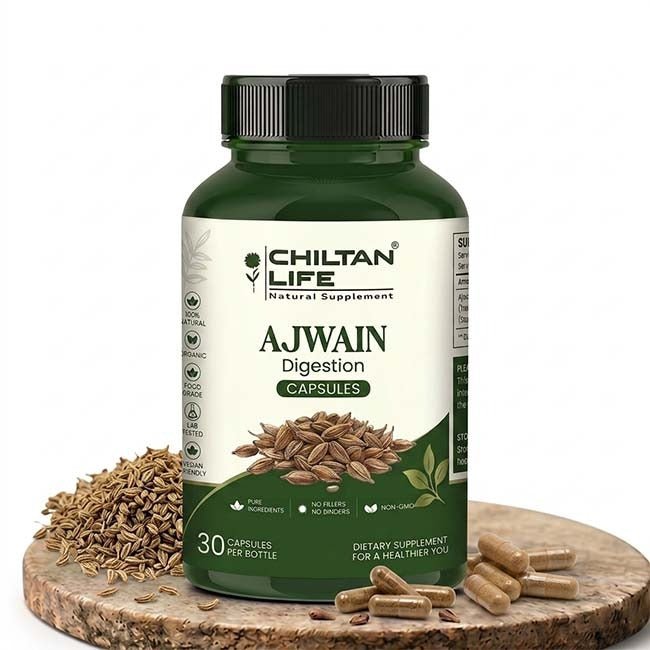
Ajwain Capsules: 500mg capsules for a convenient, no-mess way to add ajwain to your daily routine.

Conclusion
Ajwain has stayed a kitchen and home-remedy staple for centuries for good reason: it's affordable, versatile, and backed by a growing body of research that's starting to explain what traditional use already knew. Whether you're chewing a pinch after a heavy meal, sipping ajwain water first thing in the morning, or reaching for a capsule as part of a daily routine, this small seed offers a simple, natural way to support digestion, comfort, and general wellness. As always, use it as a supportive habit alongside a balanced diet, and check with a healthcare professional before relying on it for any specific health condition. With ChiltanPure's full range of ajwain products, from raw seeds to ready-to-use capsules, there's a format to fit however you choose to bring this traditional ingredient into your everyday life.
Frequently Asked Questions
What is ajwain called in English?
Ajwain is called carom seeds in English. It's also sometimes referred to as ajowan caraway, bishop's weed, or thymol seeds.
Is ajwain the same as celery seeds?
No, though they're closely related; both belong to the Apiaceae family and are sometimes used interchangeably in seasoning blends like celery salt. Ajwain has a stronger, more pungent, thyme-like flavour, while celery seed is milder and closer to fresh celery.
Can I take ajwain every day?
In small culinary amounts (a pinch to half a teaspoon), most healthy adults can include ajwain in their daily diet. Larger, concentrated, or supplement-form doses should be discussed with a healthcare provider first, especially for pregnant women or anyone on regular medication.
Does ajwain help with weight loss?
Ajwain can support a weight-management routine by aiding digestion and reducing bloating, but there's no strong evidence it directly burns fat. It works best as one small part of a balanced diet and active lifestyle rather than a standalone weight-loss solution.
What is the best time to drink ajwain water?
Ajwain water is most commonly consumed either first thing in the morning on an empty stomach or after a heavy meal to support digestion. There's no strong evidence that one specific time is scientifically superior; consistency matters more than exact timing.
Is ajwain good for cough and cold?
Yes, traditionally ajwain, often mixed with jaggery or honey, is used to help soothe coughs and ease congestion, and some early research supports a cough-easing effect from ajwain extract.


![Ajwain Honey [Carom-اجوائین]](https://chiltanpure.com/cdn/shop/files/AjwainHoney_1000x.jpg?v=1722514187)