DOWNLOAD our App & Get Amazing Discount
Download Now
Popular Products


Pait Safai Powder (پیٹ صفائی) 200g | Akseer-e-Maida | Price in Pakistan | CHILTAN PURE
60 reviews
Prime Fast Delivery
Made with 100% Organic Herbs
Relieves constipation acidity
Bloating and other gastrointestinal issues
Safe to be used by the whole family
Gross Weight 260Grm
Net Weight 200Grm
- Rs. 999
Rs. 1,110- Rs. 999
- Unit price
- / per


Activated Charcoal Teeth Whitening Powder 50ml | CHILTAN PURE
103 reviews
Prime Fast Delivery
Good For Smokers
Protects Gums
Whitens Teeth Naturally
Prevents from Permanent Staining
Removes Toxins from Mouth
Eliminates Bad Breath
Kills Cavity causing Bacteria
Removes Plaque Build up
50ml
- Rs. 999
Rs. 1,110- Rs. 999
- Unit price
- / per


Red Onion Oil for Hair 200ml | Price in Pakistan | CHILTAN PURE
122 reviews
Prime Fast Delivery
Nourishes Scalp
Prevents Greying
Boosts Hair Growth
Adds Strength & shine
Wards off Dandruff
Rich in Sulphur
Prevents Split-Ends
Used as a Natural Conditioner
200ml
- Rs. 1,099
Rs. 1,220- Rs. 1,099
- Unit price
- / per


Red Onion Shampoo | Sulfate-Free Hair Care | 260ml & 500ml
110 reviews
Prime Fast Delivery
Naturally Low Foaming [SLS FREE]
Boosts Hair Growth
Lessen Dandruff
Reduce Split Ends
Makes Hair Strong
Strengthen Hair Follicles
Calms Itchy & Dry Scalp
Prevent Premature Hair Greying
260ml
500ml
- From Rs. 890
Rs. 1,600- From Rs. 890
- Unit price
- / per


Pinkish Lips & Cheek Tint (گلابی ٹِنٹ) - Organic Liquid stain for lips, Nourish Lips & Hydrate lips all day
112 reviews
Prime Fast Delivery
Rosy-Pink Tint
Long-Lasting
24/7 Stay
Lip Moisturizing
Sheer & Buildablel
Natural-Look
Smudge-Proof
Give Your Face a Fresh Look
Brightens Lips & Cheeks With a Cheery Pop Of Color
30ml
- Rs. 599
Rs. 666- Rs. 599
- Unit price
- / per


Henna Hair & Beard Dye (Chocolate & Coffee) | 200g | CHILTAN PURE
62 reviews
Prime Fast Delivery
Strengthens Hair
Repairs Split Ends
Restricts Hair Fall
Stress Reliever
Improves Scalp Health
Balances pH & Oil Production
Prevents Premature Hair Greying
200gm
- Rs. 799
Rs. 890- Rs. 799
- Unit price
- / per


Vitamin C Serum 30ml | CHILTAN PURE
114 reviews
Helps skin look fresh and radiantSupports a smoother-looking skin textureHelps maintain skin hydrationDesigned for a simple, radiance-focused skincare routine30 ml
- Rs. 750
Rs. 1,220- Rs. 750
- Unit price
- / per


CHILTAN PURE Mix Seeds – Pumpkin, Flax, Sesame & Sunflower Seeds | 200g & 750g
68 reviews
Prime Fast Delivery
Right Fuel for Health
Good Source Of Fiber
Lower Cholesterol
Relieves Diarrhea
Nutritious Source of Plant Protein
Help Lower Blood Pressure
Support Healthy Bones
Reduce Inflammation
Aid Blood Cell Formation
Small200g
Large750g
- From Rs. 699
Rs. 1,350- From Rs. 699
- Unit price
- / per


CHILTAN PURE Glow Facial Kit – 6-Step Professional Facial at Home
294 reviews
Prime Fast Delivery
Step 1,Glow Facial Cleanser
Step 2,Glow Facial Scrub
Step 3,Glow Facial Massaging Cream
Step 4,Glow Skin Polisher
Step 5,Glow Facial Mud Mask
Step 6,Glow Facial Serum
- Rs. 4,599
Rs. 5,090- Rs. 4,599
- Unit price
- / per

-10%
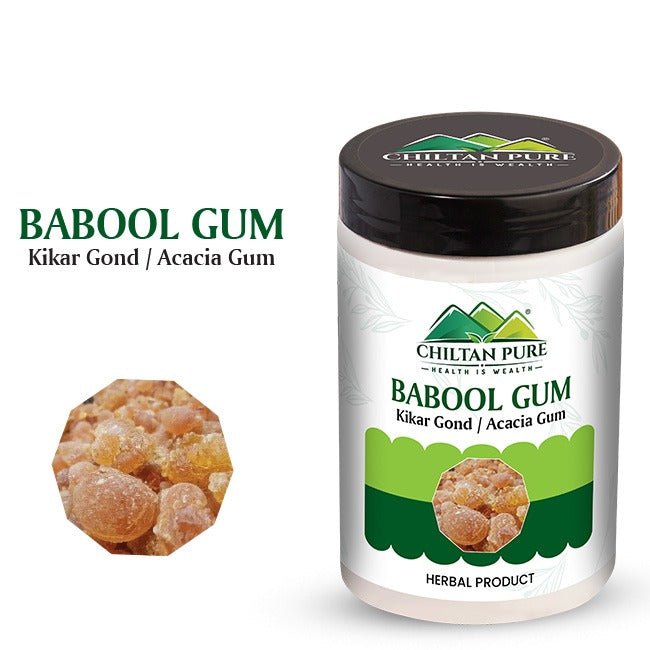
Babool Gum / Kikar Gond
2
sold in last
8
hours
Prime Fast Delivery
|
- Rs. 549
Rs. 609- Rs. 549
- Unit price
- / per
Pay in 3 Installments of
Rs. 183
10 customers are viewing this product


Need More Discount ~ Chat with Sales Person! BARGAIN NOW
Babool Gum / Kikar Gond is a natural tree gum traditionally obtained from the Babool or Kikar tree. Also known as acacia gum in certain contexts, it is valued for its natural gummy texture and versatility in traditional food and homemade preparations. It can be used whole or processed into smaller pieces or powder according to the intended recipe.
Babool Gum, commonly called Kikar Gond, is a naturally occurring gum obtained from certain Acacia/Vachellia trees. In South Asian households, gond has traditionally been used as an ingredient in various foods, sweets and traditional preparations.
The gum is naturally hard and resin-like when dry. When exposed to moisture or incorporated into certain recipes, it develops a characteristic gummy texture. This makes it useful for traditional culinary applications as well as selected homemade preparations.
Babool Gum can be roasted, ground or incorporated into recipes depending on the desired result. It is commonly associated with traditional winter foods, homemade sweets and energy-style preparations.
The exact botanical source of commercially available Babool Gum can vary, so the botanical name and source should be checked on the product packaging.
Key Features
- Natural tree gum
- Commonly known as Kikar Gond
- Traditionally sourced from Babool trees
- Hard, dried gum pieces
- Can be roasted or ground
- Suitable for traditional food preparations
- Useful in homemade sweets and recipes
- Easy to store
- Convenient pantry ingredient
- Naturally occurring gummy texture
Botanical Information
| Feature | Details |
|---|---|
| Product Name | Babool Gum / Kikar Gond |
| Common Name | Babool Gum, Kikar Gond |
| Botanical Source | Acacia/Vachellia species, verify label |
| Plant Part | Tree Gum/Exudate |
| Form | Dried Gum Pieces |
| Appearance | Pale yellow to amber/brown |
| Texture | Hard when dry, gummy when hydrated |
| Product Type | Natural Food Ingredient |
| Storage | Cool & Dry Place |
What Is Babool Gum?
Babool Gum is a dried natural gum obtained from trees traditionally known as Babool or Kikar. The gum is collected from natural exudates of the tree and then dried for storage and use.
The terms Babool Gum, Kikar Gond and Acacia Gum can sometimes be used interchangeably in local markets, but they are not necessarily identical in every product. The exact botanical species should therefore be verified from the supplier or product label.
Taste & Texture
Babool Gum has a relatively mild, neutral-to-earthy character. In its dry form, it is hard and brittle. When exposed to moisture or incorporated into recipes, it can develop a chewy or gelatinous texture.
| Property | Description |
|---|---|
| Dry Texture | Hard & Brittle |
| Hydrated Texture | Gummy / Gel-like |
| Flavor | Mild / Neutral |
| Aroma | Mild Botanical |
| Color | Pale Yellow to Amber |
| Cooking Behavior | Softens when heated or hydrated |
Traditional Culinary Uses
Babool Gum / Kikar Gond can be used in a variety of traditional preparations, including:
- Gond ke ladoo
- Traditional winter sweets
- Homemade energy bites
- Panjiri-style preparations
- Nut-based sweets
- Dry-fruit ladoos
- Traditional halwa
- Roasted gond preparations
- Homemade snack mixes
- Selected traditional desserts
How to Prepare Babool Gum for Recipes
For recipes requiring roasted gond:
- Heat a suitable cooking oil or ghee according to the recipe.
- Add small pieces of Babool Gum.
- Roast carefully until the pieces puff or expand.
- Remove from the heat.
- Allow to cool.
- Crush or grind as required.
- Add to your chosen recipe.
Important: Gond can expand significantly when heated, so use small pieces and avoid overcrowding the pan.
Simple Gond Ladoo
Ingredients:
- Babool Gum / Kikar Gond – 50 g
- Ghee – 100 g
- Whole wheat flour – 150 g
- Almonds – 50 g
- Cashews – 30 g
- Powdered sugar – 100 g
- Cardamom – ½ teaspoon
Method:
- Heat half of the ghee in a pan.
- Add small pieces of gond and fry until they puff.
- Remove and crush after cooling.
- Add remaining ghee to the pan.
- Roast the flour over low heat for 10–15 minutes.
- Add chopped nuts and cook for another 2–3 minutes.
- Turn off the heat and allow the mixture to cool slightly.
- Add crushed gond, sugar and cardamom.
- Mix thoroughly.
- Shape into small ladoos while the mixture is still warm.
Storage Instructions
- Store in a cool, dry place.
- Keep away from humidity and moisture.
- Keep the package tightly sealed.
- Protect from direct sunlight.
- Use a clean, dry spoon or utensil.
- Avoid introducing water into the package.
- Keep away from insects and contamination.
- Follow the manufacturer's storage instructions.
Nutrition Information
Nutritional values vary depending on the exact gum source and processing method.
| Nutrient | Amount |
|---|---|
| Calories | Product dependent |
| Carbohydrates | Product dependent |
| Protein | Product dependent |
| Fat | Product dependent |
| Dietary Fiber | Product dependent |
| Sugar | Product dependent |
| Sodium | Product dependent |
For accurate nutritional values, refer to the product's packaging or laboratory-tested nutrition panel.
Benefits as a Food Ingredient
- Natural traditional food ingredient
- Convenient dried format
- Useful in homemade recipes
- Adds a distinctive gummy texture
- Suitable for traditional sweets
- Easy to roast and grind
- Pairs well with nuts and dried fruits
- Convenient for pantry storage
These are culinary and product-use benefits, not medical claims.
Babool Gum vs Regular Gond
| Feature | Babool Gum / Kikar Gond | Other Gond Varieties |
|---|---|---|
| Source | Babool/Kikar tree, label dependent | Different plant sources |
| Form | Dried gum pieces | Varies |
| Color | Pale yellow to amber | Varies |
| Texture | Hard when dry | Varies |
| Traditional Use | Foods & sweets | Depends on variety |
| Flavor | Mild | Source dependent |
Precautions
- Use only food-grade Babool Gum for culinary consumption.
- Check the product label for the exact botanical source.
- Do not consume unknown or non-food-grade tree gum.
- Introduce new food ingredients in moderate quantities.
- People with known food allergies or digestive sensitivities should check the ingredients and seek professional dietary advice when needed.
- Keep away from children.
- Store properly to prevent contamination.
FAQs
1. What is Babool Gum?
Babool Gum is a natural dried tree gum traditionally collected from Babool or Kikar trees.
2. What is Kikar Gond?
Kikar Gond is a common South Asian name for dried tree gum obtained from Kikar/Babool trees.
3. Is Babool Gum the same as Gond?
Babool Gum is a type of natural tree gum commonly referred to as gond. However, different types of gond can come from different botanical sources.
4. What is the botanical source of Babool Gum?
The botanical source can vary depending on the product. Acacia or Vachellia species are associated with Babool/Kikar gums, so check the product label for the exact species.
5. What does Babool Gum look like?
It is generally sold as hard, dried pieces ranging from pale yellow to amber or brown.
6. How does Babool Gum taste?
It generally has a mild and relatively neutral botanical taste.
7. How is Babool Gum used in cooking?
It can be roasted, crushed and added to traditional sweets, ladoos, panjiri-style preparations and other recipes.
Related Products
Example product title
- Rs. 549
Rs. 609- Rs. 549
- Unit price
- / per
Example product title
- Rs. 549
Rs. 609- Rs. 549
- Unit price
- / per
Example product title
- Rs. 549
Rs. 609- Rs. 549
- Unit price
- / per
Example product title
- Rs. 549
Rs. 609- Rs. 549
- Unit price
- / per
Example product title
- Rs. 549
Rs. 609- Rs. 549
- Unit price
- / per
Example product title
- Rs. 549
Rs. 609- Rs. 549
- Unit price
- / per
Example product title
- Rs. 549
Rs. 609- Rs. 549
- Unit price
- / per
Example product title
- Rs. 549
Rs. 609- Rs. 549
- Unit price
- / per
Example product title
- Rs. 549
Rs. 609- Rs. 549
- Unit price
- / per
Example product title
- Rs. 549
Rs. 609- Rs. 549
- Unit price
- / per
Recently Viewed Products
Example product title
- Rs. 549
Rs. 609- Rs. 549
- Unit price
- / per
Example product title
- Rs. 549
Rs. 609- Rs. 549
- Unit price
- / per
Example product title
- Rs. 549
Rs. 609- Rs. 549
- Unit price
- / per
Example product title
- Rs. 549
Rs. 609- Rs. 549
- Unit price
- / per
Example product title
- Rs. 549
Rs. 609- Rs. 549
- Unit price
- / per
Example product title
- Rs. 549
Rs. 609- Rs. 549
- Unit price
- / per
Example product title
- Rs. 549
Rs. 609- Rs. 549
- Unit price
- / per
Example product title
- Rs. 549
Rs. 609- Rs. 549
- Unit price
- / per
Example product title
- Rs. 549
Rs. 609- Rs. 549
- Unit price
- / per
Example product title
- Rs. 549
Rs. 609- Rs. 549
- Unit price
- / per
- Choosing a selection results in a full page refresh.