DOWNLOAD our App & Get Amazing Discount
Download Now
Popular Products


Pait Safai Powder (پیٹ صفائی) 200g | Akseer-e-Maida | Price in Pakistan | CHILTAN PURE
60 reviews
Prime Fast Delivery
Made with 100% Organic Herbs
Relieves constipation acidity
Bloating and other gastrointestinal issues
Safe to be used by the whole family
Gross Weight 260Grm
Net Weight 200Grm
- Rs. 999
Rs. 1,110- Rs. 999
- Unit price
- / per


Activated Charcoal Teeth Whitening Powder 50ml | CHILTAN PURE
103 reviews
Prime Fast Delivery
Good For Smokers
Protects Gums
Whitens Teeth Naturally
Prevents from Permanent Staining
Removes Toxins from Mouth
Eliminates Bad Breath
Kills Cavity causing Bacteria
Removes Plaque Build up
50ml
- Rs. 999
Rs. 1,110- Rs. 999
- Unit price
- / per


Red Onion Oil for Hair 200ml | Price in Pakistan | CHILTAN PURE
122 reviews
Prime Fast Delivery
Nourishes Scalp
Prevents Greying
Boosts Hair Growth
Adds Strength & shine
Wards off Dandruff
Rich in Sulphur
Prevents Split-Ends
Used as a Natural Conditioner
200ml
- Rs. 1,099
Rs. 1,220- Rs. 1,099
- Unit price
- / per


Red Onion Shampoo | Sulfate-Free Hair Care | 260ml & 500ml
110 reviews
Prime Fast Delivery
Naturally Low Foaming [SLS FREE]
Boosts Hair Growth
Lessen Dandruff
Reduce Split Ends
Makes Hair Strong
Strengthen Hair Follicles
Calms Itchy & Dry Scalp
Prevent Premature Hair Greying
260ml
500ml
- From Rs. 890
Rs. 1,600- From Rs. 890
- Unit price
- / per


Pinkish Lips & Cheek Tint (گلابی ٹِنٹ) - Organic Liquid stain for lips, Nourish Lips & Hydrate lips all day
112 reviews
Prime Fast Delivery
Rosy-Pink Tint
Long-Lasting
24/7 Stay
Lip Moisturizing
Sheer & Buildablel
Natural-Look
Smudge-Proof
Give Your Face a Fresh Look
Brightens Lips & Cheeks With a Cheery Pop Of Color
30ml
- Rs. 599
Rs. 666- Rs. 599
- Unit price
- / per


Henna Hair & Beard Dye (Chocolate & Coffee) | 200g | CHILTAN PURE
62 reviews
Prime Fast Delivery
Strengthens Hair
Repairs Split Ends
Restricts Hair Fall
Stress Reliever
Improves Scalp Health
Balances pH & Oil Production
Prevents Premature Hair Greying
200gm
- Rs. 799
Rs. 890- Rs. 799
- Unit price
- / per


Vitamin C Serum 30ml | CHILTAN PURE
114 reviews
Prime Fast Delivery
Lightens dark circles
Reduces Wrinkles
Provides moisture
Promotes healthy skin
Enhances skin tone
Fights pigmentation
Improves skin texture
Protects from sun damage
Stimulates collagen production
For all skin types
30ml
- Rs. 750
Rs. 1,220- Rs. 750
- Unit price
- / per


CHILTAN PURE Mix Seeds – Pumpkin, Flax, Sesame & Sunflower Seeds | 200g & 750g
68 reviews
Prime Fast Delivery
Right Fuel for Health
Good Source Of Fiber
Lower Cholesterol
Relieves Diarrhea
Nutritious Source of Plant Protein
Help Lower Blood Pressure
Support Healthy Bones
Reduce Inflammation
Aid Blood Cell Formation
Small200g
Large750g
- From Rs. 699
Rs. 1,350- From Rs. 699
- Unit price
- / per


CHILTAN PURE Glow Facial Kit – 6-Step Professional Facial at Home
294 reviews
Prime Fast Delivery
Step 1,Glow Facial Cleanser
Step 2,Glow Facial Scrub
Step 3,Glow Facial Massaging Cream
Step 4,Glow Skin Polisher
Step 5,Glow Facial Mud Mask
Step 6,Glow Facial Serum
- Rs. 4,599
Rs. 5,090- Rs. 4,599
- Unit price
- / per

-10%
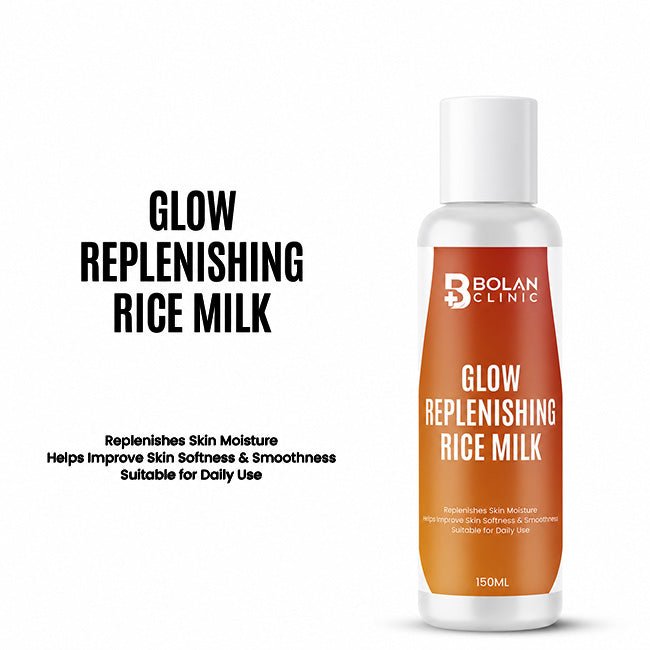
Glow Replenishing Rice Wax
2
sold in last
8
hours
Prime Fast Delivery
|
- Rs. 1,190
Rs. 1,320- Rs. 1,190
- Unit price
- / per
Pay in 3 Installments of
Rs. 397
10 customers are viewing this product


Need More Discount ~ Chat with Sales Person! BARGAIN NOW
Create smooth, nourishing and beautifully structured formulations with CHILTAN PURE Glow Replenishing Rice Wax, a plant-derived wax suitable for a wide range of cosmetic and personal-care applications.
Rice wax is valued for its firm texture, excellent structuring properties and ability to contribute a smooth, conditioned finish to balms, lip products, body-care formulas, creams and solid cosmetics.
Ideal for professional and DIY formulators looking for a versatile plant-based wax.
What Is Glow Replenishing Rice Wax?
Rice wax is a natural plant-derived wax obtained during the processing of rice bran oil.
In cosmetic formulations, it is primarily used as a:
-
Structuring agent
-
Thickener
-
Consistency enhancer
-
Film-forming ingredient
-
Texture modifier
It can help create firmer, smoother and more stable finished products.
Key Benefits
-
Plant-derived cosmetic wax
-
Adds structure and firmness
-
Helps thicken oil-based formulations
-
Supports smooth product texture
-
Helps improve shape retention
-
Useful in balms and solid cosmetics
-
Adds body to creams and butters
-
Supports a conditioned skin feel
-
Works well with oils and cosmetic butters
-
Suitable for professional and DIY formulations
-
Useful as a plant-based wax option
What Is Rice Wax Made From?
Rice wax is generally obtained from components naturally present in rice bran oil, which comes from the outer bran layer of rice.
After appropriate refining and processing, the wax can be used as a functional ingredient in cosmetic and personal-care formulations.
Exact grade and processing specifications should be confirmed from the product documentation.
Why Use Rice Wax in Cosmetics?
Rice wax provides firmness without necessarily creating an excessively heavy formulation.
It can help formulators improve:
-
Product stability
-
Hardness
-
Texture
-
Consistency
-
Smoothness
-
Application feel
Its versatility makes it useful in both solid and semi-solid cosmetic products.
Rice Wax for Skin Care Formulations
In skincare formulas, rice wax can help create a protective and emollient-feeling surface layer.
It is often combined with:
-
Plant oils
-
Cosmetic butters
-
Other waxes
-
Emollients
to create balms, body products and solid moisturizers.
Rice Wax for Lip Balm
Rice wax can be used to provide structure and firmness in lip balm formulations.
It may help:
-
Improve stick stability
-
Reduce excessive softness
-
Support a smooth surface
-
Improve heat resistance
-
Create a more professional finished texture
The exact percentage should be determined through formulation testing.
Rice Wax for Lipstick
Solid color cosmetics require a balanced combination of oils, waxes and pigments.
Rice wax can contribute:
-
Firmness
-
Stick strength
-
Smooth texture
-
Structural stability
It may be blended with other cosmetic waxes to achieve the desired glide and hardness.
Rice Wax for Body Balms
Rice wax works well in balm-style products designed for areas that need additional conditioning.
Possible applications include:
-
Body balm
-
Hand balm
-
Foot balm
-
Heel balm
-
Cuticle balm
-
Solid moisturizer
It helps provide structure while oils and butters supply emollience.
Rice Wax for Lotion Bars
Lotion bars need enough wax to remain solid at room temperature.
Rice wax can help create a stable bar while maintaining a smooth application feel when balanced correctly with oils and butters.
Rice Wax for Body Butter
A small amount of rice wax can add body and firmness to certain anhydrous body-butter formulations.
It can be especially useful when the product is too soft or prone to melting in warmer conditions.
Rice Wax for Creams
Rice wax may be used as a consistency-enhancing ingredient in suitable cream formulations.
It can help add:
-
Body
-
Thickness
-
Texture
-
Structural support
However, rice wax alone should not be considered a complete emulsifier for oil-and-water formulations.
Rice Wax for Hair Products
Rice wax may also be incorporated into:
-
Hair wax
-
Pomade
-
Styling balm
-
Beard balm
It can help provide structure and hold while improving the physical stability of the product.
Rice Wax for Solid Cosmetics
Its firm nature makes rice wax useful in products such as:
-
Lip products
-
Cosmetic sticks
-
Solid perfume
-
Balm sticks
-
Foundation sticks
-
Solid moisturizers
The final texture depends on the balance between waxes, oils and butters.
Rice Wax vs Beeswax
Both can provide structure, but they come from different sources.
Rice Wax:
-
Plant derived
-
Suitable for formulations avoiding bee-derived wax
-
Provides firmness and structure
-
Works well in solid cosmetics
Beeswax:
-
Produced by bees
-
Common in balms and salves
-
Provides flexibility and occlusion
-
Often creates a softer, creamier texture
They should not automatically be substituted at identical percentages.
Rice Wax vs Carnauba Wax
Both are plant-derived waxes.
Rice Wax: Generally useful for smooth structure and balanced firmness.
Carnauba Wax: Particularly hard and valued for its high melting characteristics and strong structuring effect.
The preferred wax depends on the desired finished texture.
Rice Wax vs Candelilla Wax
Candelilla wax is another commonly used plant-based cosmetic wax.
Both can help provide firmness, but their:
-
Hardness
-
Melting behavior
-
Slip
-
Texture
can differ.
Small-batch testing is recommended before substitution.
Is Rice Wax a Vegan Wax Option?
Rice wax is plant derived, making it useful in formulations created without beeswax.
However, a finished product should only be marketed as vegan if all ingredients and manufacturing requirements meet the relevant criteria.
Is Rice Wax Moisturizing?
Rice wax is primarily a structuring and film-forming ingredient rather than a water-based moisturizer.
In finished skincare products, it can contribute to an emollient and protective feel and may help reduce moisture loss from the skin surface.
Does Rice Wax Hydrate Skin?
Rice wax does not directly add water to the skin.
For hydration-focused products, it should be combined with appropriate moisturizing ingredients.
Its role is more closely associated with:
-
Emollience
-
Structure
-
Film formation
-
Moisture-retention support
Does Rice Wax Make Skin Glow?
Within a properly formulated skincare product, rice wax can contribute to a smoother, conditioned surface.
Smooth and well-moisturized skin can naturally appear more radiant.
It should not be presented as permanently changing natural skin tone.
How to Use Rice Wax in Formulations
Step 1 – Weigh the Ingredients
Measure rice wax and other formulation ingredients accurately.
Step 2 – Add to the Oil Phase
Combine the wax with compatible oils, butters or other oil-phase ingredients.
Step 3 – Heat Carefully
Heat using suitable temperature-controlled formulation equipment until the wax is completely melted.
Step 4 – Mix Thoroughly
Blend until the mixture is uniform.
Step 5 – Complete the Formula
Continue according to your tested formulation procedure.
Step 6 – Cool and Evaluate
Allow the finished product to cool completely before evaluating final hardness and texture.
How Much Rice Wax Should You Use?
There is no single percentage suitable for every formulation.
The amount depends on:
-
Product type
-
Desired hardness
-
Oil content
-
Butter content
-
Other waxes
-
Climate
-
Packaging
-
Desired application feel
Always begin with a tested formulation or small trial batch.
Why Small-Batch Testing Is Important
Even a small change in wax level can affect:
-
Hardness
-
Spreadability
-
Melting behavior
-
Stick strength
-
Product feel
Test small quantities before scaling up production.
Blending Rice Wax with Oils
Rice wax may be combined with suitable cosmetic oils such as:
-
Jojoba oil
-
Almond oil
-
Coconut oil
-
Sunflower oil
-
Castor oil
-
Other formulation-grade oils
Compatibility should always be evaluated in the complete formula.
Blending Rice Wax with Butters
It may also be combined with cosmetic butters such as:
-
Shea butter
-
Cocoa butter
-
Mango butter
The wax contributes structure, while the butter provides softness and emollience.
Blending Rice Wax with Other Waxes
Rice wax can be blended with other waxes to fine-tune texture.
Possible combinations may include:
-
Carnauba wax
-
Candelilla wax
-
Beeswax
-
Sunflower wax
-
Other suitable cosmetic waxes
This allows formulators to adjust hardness, glide and stability.
Rice Wax for Warm Climates
Firm waxes can help improve the structure of balms and sticks that may otherwise become too soft in warmer environments.
However, rice wax alone cannot guarantee heat stability.
Finished products should undergo proper stability testing.
Can Rice Wax Be Applied Directly to Skin?
Rice wax is primarily intended as a formulation ingredient.
It should generally be incorporated into a properly designed cosmetic product rather than used as raw wax directly on the face or body.
Can Men Use Products Made with Rice Wax?
Yes.
Finished skincare or grooming products containing rice wax can be used according to skin type and product directions regardless of gender.
Can Women Use Products Made with Rice Wax?
Yes.
Rice wax can be incorporated into a wide range of cosmetic and personal-care products.
Is Rice Wax Natural?
Rice wax originates from a plant source.
However, specific marketing claims such as 100% natural, organic or certification-related wording should only be used when supported by the actual product documentation.
Is Rice Wax Food Grade?
Food-grade forms of rice wax may exist, but not every cosmetic raw material is approved for food use.
Do not ingest CHILTAN PURE Glow Replenishing Rice Wax unless the specific product documentation confirms that it is food grade.
How to Melt Rice Wax Safely
Use proper formulation equipment and controlled heating.
-
Avoid open flames
-
Heat gradually
-
Use heat-resistant containers
-
Monitor temperature
-
Do not leave hot wax unattended
-
Protect skin from hot melted wax
-
Keep children away from the work area
Important Ingredient Note
The exact identity, grade, INCI name, melting range and approved applications of CHILTAN PURE Glow Replenishing Rice Wax should be taken from the finished product specification or supplier documentation.
Do not add unsupported claims about:
-
Organic certification
-
Food-grade status
-
Exact melting point
-
Specific rice variety
-
Vegan certification
unless officially confirmed.
Common Formulation Mistakes
Using Too Much Wax
Excess rice wax can make a balm or stick too hard and difficult to spread.
Using Too Little Wax
The product may remain too soft or lose its shape.
Not Melting Completely
Incomplete melting can lead to uneven texture.
Substituting Waxes One-to-One
Different waxes have different hardness and melting properties.
Skipping Stability Testing
Always test finished formulas before commercial production.
Tips for Best Results
-
Weigh ingredients accurately
-
Use small test batches
-
Heat carefully
-
Mix thoroughly
-
Allow the product to cool fully
-
Adjust wax levels gradually
-
Test in final packaging
-
Follow cosmetic manufacturing hygiene
-
Perform stability testing before sale
Important Precautions
For cosmetic formulation and external-use applications according to product grade.
-
Do not ingest unless certified food grade
-
Do not apply melted hot wax directly to skin
-
Avoid overheating
-
Keep away from open flames
-
Use clean formulation equipment
-
Keep out of reach of children
-
Follow the product specification and intended-use guidance
Storage Instructions
Store in a cool, dry place away from moisture, excessive heat and prolonged direct sunlight.
Keep the package tightly closed and protect the wax from contamination.
Frequently Asked Questions
What is CHILTAN PURE Glow Replenishing Rice Wax?
It is a plant-derived cosmetic wax used to provide structure, firmness and texture in balms, solid cosmetics and other personal-care formulations.
Where does rice wax come from?
Rice wax is generally obtained during the processing of rice bran oil.
Is rice wax plant based?
Yes.
Is rice wax suitable for vegan formulations?
It is plant derived and may be useful in formulas designed without beeswax, but the entire finished formulation must meet vegan criteria before making a vegan claim.
What is rice wax used for?
It can be used in balms, lip products, lotion bars, body butters, cosmetic sticks, hair products and other compatible formulations.
Can I use rice wax in lip balm?
Yes, suitable cosmetic-grade rice wax can help add firmness and structure to lip balm.
Can I use it in lipstick?
Yes, it may be used as a structuring wax in solid color cosmetics.
Can it be used in body balm?
Yes.
Can it be used in lotion bars?
Yes, it can help provide firmness and shape retention.
Can it be used in body butter?
Yes, depending on the formulation, it may help create a firmer texture.
Can it be used in creams?
It may be used as a consistency-enhancing ingredient, but it is not necessarily a complete emulsifier.
Related Products
Example product title
- Rs. 1,190
Rs. 1,320- Rs. 1,190
- Unit price
- / per
Example product title
- Rs. 1,190
Rs. 1,320- Rs. 1,190
- Unit price
- / per
Example product title
- Rs. 1,190
Rs. 1,320- Rs. 1,190
- Unit price
- / per
Example product title
- Rs. 1,190
Rs. 1,320- Rs. 1,190
- Unit price
- / per
Example product title
- Rs. 1,190
Rs. 1,320- Rs. 1,190
- Unit price
- / per
Example product title
- Rs. 1,190
Rs. 1,320- Rs. 1,190
- Unit price
- / per
Example product title
- Rs. 1,190
Rs. 1,320- Rs. 1,190
- Unit price
- / per
Example product title
- Rs. 1,190
Rs. 1,320- Rs. 1,190
- Unit price
- / per
Example product title
- Rs. 1,190
Rs. 1,320- Rs. 1,190
- Unit price
- / per
Example product title
- Rs. 1,190
Rs. 1,320- Rs. 1,190
- Unit price
- / per
Recently Viewed Products
Example product title
- Rs. 1,190
Rs. 1,320- Rs. 1,190
- Unit price
- / per
Example product title
- Rs. 1,190
Rs. 1,320- Rs. 1,190
- Unit price
- / per
Example product title
- Rs. 1,190
Rs. 1,320- Rs. 1,190
- Unit price
- / per
Example product title
- Rs. 1,190
Rs. 1,320- Rs. 1,190
- Unit price
- / per
Example product title
- Rs. 1,190
Rs. 1,320- Rs. 1,190
- Unit price
- / per
Example product title
- Rs. 1,190
Rs. 1,320- Rs. 1,190
- Unit price
- / per
Example product title
- Rs. 1,190
Rs. 1,320- Rs. 1,190
- Unit price
- / per
Example product title
- Rs. 1,190
Rs. 1,320- Rs. 1,190
- Unit price
- / per
Example product title
- Rs. 1,190
Rs. 1,320- Rs. 1,190
- Unit price
- / per
Example product title
- Rs. 1,190
Rs. 1,320- Rs. 1,190
- Unit price
- / per
- Choosing a selection results in a full page refresh.