DOWNLOAD our App & Get Amazing Discount
Download Now
Popular Products


Pait Safai Powder (پیٹ صفائی) 200g | Herbal Digestive Powder
60 reviews
Prime Fast Delivery
Made with 100% Organic Herbs
Relieves constipation acidity
Bloating and other gastrointestinal issues
Safe to be used by the whole family
Gross Weight 260Grm
Net Weight 200Grm
- Rs. 999
Rs. 1,110- Rs. 999
- Unit price
- / per


Activated Charcoal Teeth Whitening Powder 50ml | CHILTAN PURE
103 reviews
Prime Fast Delivery
Good For Smokers
Protects Gums
Whitens Teeth Naturally
Prevents from Permanent Staining
Removes Toxins from Mouth
Eliminates Bad Breath
Kills Cavity causing Bacteria
Removes Plaque Build up
50ml
- Rs. 999
Rs. 1,110- Rs. 999
- Unit price
- / per
![Red Onion Oil 🧅 Reduces Hair Fall & Accelerates Hair Regrowth [پیاز کا تیل].. Trending.... 🔥 - ChiltanPure](http://chiltanpure.com/cdn/shop/products/red-onion-oil-reduces-hair-fall-amp-accelerates-hair-regrowth-piaz-ka-til-trending-394813_640x.jpg?v=1707464619)
![Red Onion Oil 🧅 Reduces Hair Fall & Accelerates Hair Regrowth [پیاز کا تیل].. Trending.... 🔥 - ChiltanPure](http://chiltanpure.com/cdn/shop/products/red-onion-oil-reduces-hair-fall-amp-accelerates-hair-regrowth-piaz-ka-til-trending-329640_1170x.jpg?v=1708127491)
Red Onion Oil 200ml | Hair & Scalp Care | CHILTAN PURE
122 reviews
Prime Fast Delivery
Nourishes Scalp
Prevents Greying
Boosts Hair Growth
Adds Strength & shine
Wards off Dandruff
Rich in Sulphur
Prevents Split-Ends
Used as a Natural Conditioner
200ml
- Rs. 1,099
Rs. 1,220- Rs. 1,099
- Unit price
- / per


Red Onion Shampoo | Sulfate-Free Hair Care | 260ml & 500ml
110 reviews
Prime Fast Delivery
Naturally Low Foaming [SLS FREE]
Boosts Hair Growth
Lessen Dandruff
Reduce Split Ends
Makes Hair Strong
Strengthen Hair Follicles
Calms Itchy & Dry Scalp
Prevent Premature Hair Greying
260ml
500ml
- From Rs. 890
Rs. 1,600- From Rs. 890
- Unit price
- / per


Pinkish Lips & Cheek Tint (گلابی ٹِنٹ) - Organic Liquid stain for lips, Nourish Lips & Hydrate lips all day
112 reviews
Prime Fast Delivery
Rosy-Pink Tint
Long-Lasting
24/7 Stay
Lip Moisturizing
Sheer & Buildablel
Natural-Look
Smudge-Proof
Give Your Face a Fresh Look
Brightens Lips & Cheeks With a Cheery Pop Of Color
30ml
- Rs. 599
Rs. 666- Rs. 599
- Unit price
- / per


Henna Hair & Beard Dye (Chocolate & Coffee) | 200g | CHILTAN PURE
62 reviews
Prime Fast Delivery
Strengthens Hair
Repairs Split Ends
Restricts Hair Fall
Stress Reliever
Improves Scalp Health
Balances pH & Oil Production
Prevents Premature Hair Greying
200gm
- Rs. 799
Rs. 890- Rs. 799
- Unit price
- / per


Vitamin C Serum for Face – 30ml Brighter, Fresher and More Even-Looking Skin
114 reviews
Prime Fast Delivery
Lightens dark circles
Reduces Wrinkles
Provides moisture
Promotes healthy skin
Enhances skin tone
Fights pigmentation
Improves skin texture
Protects from sun damage
Stimulates collagen production
For all skin types
30ml
- Rs. 750
Rs. 1,220- Rs. 750
- Unit price
- / per


Mix Seeds Price in Pakistan | Pumpkin, Flax, Sesame & Sunflower | 200g & 750g
68 reviews
Prime Fast Delivery
Right Fuel for Health
Good Source Of Fiber
Lower Cholesterol
Relieves Diarrhea
Nutritious Source of Plant Protein
Help Lower Blood Pressure
Support Healthy Bones
Reduce Inflammation
Aid Blood Cell Formation
Small200g
Large750g
- From Rs. 699
Rs. 1,350- From Rs. 699
- Unit price
- / per


CHILTAN PURE Glow Facial Kit – 6-Step Professional Facial at Home
294 reviews
Prime Fast Delivery
Step 1,Glow Facial Cleanser
Step 2,Glow Facial Scrub
Step 3,Glow Facial Massaging Cream
Step 4,Glow Skin Polisher
Step 5,Glow Facial Mud Mask
Step 6,Glow Facial Serum
- Rs. 4,599
Rs. 5,090- Rs. 4,599
- Unit price
- / per

-10%
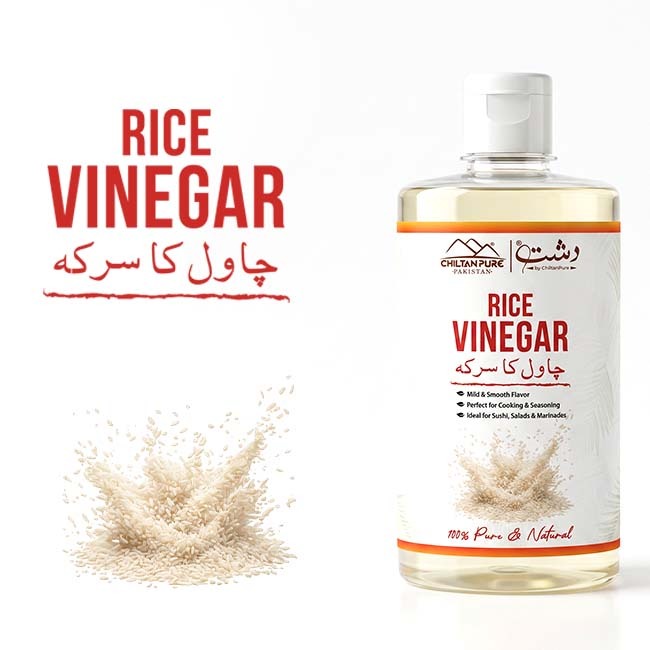
Rice Vinegar
2
sold in last
8
hours
Prime Fast Delivery
|
- Rs. 850
Rs. 943- Rs. 850
- Unit price
- / per
Pay in 3 Installments of
Rs. 283
10 customers are viewing this product


Need More Discount ~ Chat with Sales Person! BARGAIN NOW
Add a light, tangy touch to everyday meals with CHILTAN PURE Rice Vinegar.
Its versatile flavor makes it suitable for salad dressings, marinades, sauces, rice dishes, pickling and Asian-inspired recipes.
Easy to use and simple to incorporate into everyday cooking.
What Is CHILTAN PURE Rice Vinegar?
CHILTAN PURE Rice Vinegar is a culinary vinegar intended for seasoning, cooking and food preparation.
Rice vinegar is commonly made using rice-based ingredients through a vinegar-production process, although the exact raw materials and production method of this product should be confirmed from the finished packaging.
It can be used in:
-
Salad dressings
-
Sushi-style rice
-
Marinades
-
Sauces
-
Pickles
-
Stir-fries
-
Dips
-
Rice and noodle dishes
Key Benefits
-
Mild and tangy flavor
-
Versatile everyday cooking ingredient
-
Ideal for salad dressings
-
Suitable for marinades
-
Great for rice and noodle dishes
-
Useful for homemade pickles
-
Easy to mix into sauces
-
Complements Asian-inspired recipes
-
Convenient pantry ingredient
What Does Rice Vinegar Taste Like?
Rice vinegar is generally known for a lighter and milder acidic taste compared with some stronger vinegars.
Its flavor can work well when a recipe needs acidity without overpowering the other ingredients.
The exact taste depends on the finished CHILTAN PURE formulation.
Rice Vinegar for Salad Dressings
Rice vinegar can be combined with ingredients such as:
-
Cooking oil
-
Sesame oil
-
Soy sauce
-
Garlic
-
Ginger
-
Honey or sugar
-
Herbs and spices
Whisk together according to taste for a simple homemade dressing.
Rice Vinegar for Sushi-Style Rice
Rice vinegar is commonly used when preparing seasoned rice.
Combine with suitable seasonings according to your preferred recipe, then gently fold into cooked rice.
For authentic recipes, follow the specific rice-to-seasoning proportions required.
Rice Vinegar for Marinades
Its mild acidity makes Rice Vinegar useful in marinades for:
-
Chicken
-
Fish
-
Seafood
-
Tofu
-
Vegetables
Combine with herbs, spices and other sauces according to the recipe.
Always marinate raw meat or seafood under refrigeration.
Rice Vinegar for Pickling
Rice vinegar can be used in suitable quick-pickle recipes.
Try it with:
-
Cucumbers
-
Carrots
-
Onions
-
Radishes
-
Cabbage
-
Other vegetables
For shelf-stable preserving, follow a tested preservation recipe rather than changing vinegar proportions.
Rice Vinegar for Stir-Fries
A small amount can add brightness and balance to stir-fries.
Add near the end of cooking to preserve its fresh tangy character.
Rice Vinegar for Noodles
Rice Vinegar works well in:
-
Cold noodle salads
-
Stir-fried noodles
-
Noodle sauces
-
Dipping sauces
Combine with savory and aromatic ingredients for balanced flavor.
Rice Vinegar for Dipping Sauces
Create a simple dipping sauce by combining Rice Vinegar with compatible ingredients such as:
-
Soy sauce
-
Chili
-
Garlic
-
Ginger
-
Sesame oil
Adjust quantities according to taste.
Rice Vinegar for Fried Rice
A small amount added near the end of cooking can help brighten the flavor of fried rice.
Use sparingly so the vinegar complements rather than dominates the dish.
How to Use Rice Vinegar
For Dressings
Mix with oil, seasonings and herbs.
For Marinades
Combine with suitable sauces, spices and aromatics.
For Rice
Use according to your chosen seasoned-rice recipe.
For Pickling
Follow a suitable quick-pickle recipe.
For Cooking
Add small amounts to sauces, stir-fries and savory dishes.
How Much Rice Vinegar Should You Use?
The amount depends on the recipe and preferred acidity.
Start with a small quantity, taste, and add more if needed.
Can You Use Rice Vinegar Every Day?
Rice Vinegar can be used as a culinary ingredient as part of a varied diet.
People who need to monitor acidic foods or sodium and sugar intake should also check the complete nutrition and ingredient information on the product.
Rice Vinegar vs White Vinegar
Rice vinegar is generally milder in flavor, while standard white vinegar often has a sharper acidic profile.
This makes rice vinegar especially useful in dressings, sauces and dishes where a softer acidity is preferred.
Rice Vinegar vs Apple Cider Vinegar
Both provide acidity but have different flavor profiles.
Rice Vinegar: Typically mild and clean-tasting.
Apple Cider Vinegar: Usually has a more noticeable fruity character.
Choose according to the recipe.
Rice Vinegar vs Balsamic Vinegar
Rice vinegar is generally lighter and less sweet than balsamic vinegar.
Balsamic vinegar is often used for deeper, sweeter dressings and glazes, while rice vinegar works well in lighter savory recipes.
Is Rice Vinegar the Same as Seasoned Rice Vinegar?
Not always.
Seasoned rice vinegar may contain added sugar, salt or other seasonings.
Check the CHILTAN PURE ingredient list to determine whether the product is plain or seasoned.
Can Rice Vinegar Be Used for Sushi?
Yes, rice vinegar is commonly used to season sushi-style rice.
The exact seasoning may also include sugar and salt depending on the recipe.
Can Rice Vinegar Be Used in Salads?
Yes.
Its mild acidity makes it suitable for many salad dressings.
Can Rice Vinegar Be Used for Pickles?
Yes, especially for quick pickles.
For long-term preserved foods, use a tested recipe with the required acidity.
Can Rice Vinegar Be Used with Seafood?
Yes.
It pairs well with prawns, fish and other seafood in marinades, sauces and dressings.
Can Rice Vinegar Be Used with Chicken?
Yes.
It can be used as part of a marinade or sauce for chicken dishes.
Can Rice Vinegar Be Used with Vegetables?
Yes.
It works well with cooked vegetables, salads and quick-pickled vegetables.
Can You Drink Rice Vinegar Directly?
Rice Vinegar is primarily a culinary ingredient.
Undiluted vinegar is strongly acidic and can irritate the mouth, throat and digestive system.
Use it in foods, dressings or appropriately diluted recipes rather than drinking it straight.
Does Rice Vinegar Help with Weight Loss?
Rice Vinegar should not be marketed as a guaranteed weight-loss product.
Weight management depends on overall diet, activity and individual health factors.
Does Rice Vinegar Detox the Body?
No vinegar should be described as a medical detox treatment.
The body naturally processes waste through organs including the liver and kidneys.
Ingredients Explained
The complete ingredient list printed on CHILTAN PURE Rice Vinegar packaging should always be considered the authoritative reference.
Do not assume the product contains only rice and water unless confirmed by the label.
Nutrition Information
Refer to the finished nutrition panel for accurate values for:
-
Calories
-
Carbohydrates
-
Sugars
-
Sodium
-
Serving size
Values can vary between plain and seasoned rice vinegar products.
Allergen Information
Always review the finished allergen statement.
Depending on the formulation or production facility, relevant allergen information may need to be declared on the package.
Is Rice Vinegar Gluten-Free?
Only describe CHILTAN PURE Rice Vinegar as gluten-free if this is confirmed by the finished product documentation.
Is Rice Vinegar Halal?
Only make a Halal claim if supported by suitable certification or verified product documentation.
Is Rice Vinegar Vegan?
Only use a vegan claim when the complete formulation and manufacturing documentation support it.
Tips for Best Results
-
Start with a small amount
-
Taste before adding more
-
Mix well into dressings
-
Add near the end of stir-frying
-
Refrigerate marinades containing raw foods
-
Keep the bottle properly closed
-
Follow package storage instructions
Important Precautions
-
Do not drink undiluted vinegar
-
Avoid eye contact
-
Check the ingredient and allergen information
-
Follow safe food-handling practices
-
Use tested recipes for shelf-stable pickling
-
Do not use if the product shows signs of spoilage
Storage Instructions
Store according to the directions printed on the finished bottle.
Keep the cap tightly closed and protect the product from excessive heat and direct sunlight.
Follow any refrigeration instructions stated on the packaging.
Frequently Asked Questions
What is CHILTAN PURE Rice Vinegar?
It is a versatile culinary vinegar suitable for dressings, marinades, rice dishes, sauces and other recipes.
What does Rice Vinegar taste like?
It generally has a mild, clean and tangy flavor.
Can I use Rice Vinegar for sushi rice?
Yes.
Can I use it for salad dressing?
Yes.
Can I use it for marinades?
Yes.
Can I use it for pickling?
Yes, particularly quick pickling.
Can I add it to noodles?
Yes.
Can I use it in fried rice?
Yes, in small amounts.
Can I use it with seafood?
Yes.
Is Rice Vinegar sweet?
That depends on whether the product is plain or seasoned. Check the ingredient list.
Is Rice Vinegar gluten-free?
Only if confirmed on the finished product documentation.
Is it halal?
Only if supported by suitable certification or verification.
Should Rice Vinegar be refrigerated?
Follow the storage instructions on the bottle.
Can I drink it directly?
It is better used as a culinary ingredient rather than consumed undiluted.
Related Products
Example product title
- Rs. 850
Rs. 943- Rs. 850
- Unit price
- / per
Example product title
- Rs. 850
Rs. 943- Rs. 850
- Unit price
- / per
Example product title
- Rs. 850
Rs. 943- Rs. 850
- Unit price
- / per
Example product title
- Rs. 850
Rs. 943- Rs. 850
- Unit price
- / per
Example product title
- Rs. 850
Rs. 943- Rs. 850
- Unit price
- / per
Example product title
- Rs. 850
Rs. 943- Rs. 850
- Unit price
- / per
Example product title
- Rs. 850
Rs. 943- Rs. 850
- Unit price
- / per
Example product title
- Rs. 850
Rs. 943- Rs. 850
- Unit price
- / per
Example product title
- Rs. 850
Rs. 943- Rs. 850
- Unit price
- / per
Example product title
- Rs. 850
Rs. 943- Rs. 850
- Unit price
- / per
Recently Viewed Products
Example product title
- Rs. 850
Rs. 943- Rs. 850
- Unit price
- / per
Example product title
- Rs. 850
Rs. 943- Rs. 850
- Unit price
- / per
Example product title
- Rs. 850
Rs. 943- Rs. 850
- Unit price
- / per
Example product title
- Rs. 850
Rs. 943- Rs. 850
- Unit price
- / per
Example product title
- Rs. 850
Rs. 943- Rs. 850
- Unit price
- / per
Example product title
- Rs. 850
Rs. 943- Rs. 850
- Unit price
- / per
Example product title
- Rs. 850
Rs. 943- Rs. 850
- Unit price
- / per
Example product title
- Rs. 850
Rs. 943- Rs. 850
- Unit price
- / per
Example product title
- Rs. 850
Rs. 943- Rs. 850
- Unit price
- / per
Example product title
- Rs. 850
Rs. 943- Rs. 850
- Unit price
- / per
- Choosing a selection results in a full page refresh.