DOWNLOAD our App & Get Amazing Discount
Download Now
Popular Products


Pait Safai Powder (پیٹ صفائی) 200g | Herbal Digestive Powder
60 reviews
Prime Fast Delivery
Made with 100% Organic Herbs
Relieves constipation acidity
Bloating and other gastrointestinal issues
Safe to be used by the whole family
Gross Weight 260Grm
Net Weight 200Grm
- Rs. 999
Rs. 1,110- Rs. 999
- Unit price
- / per


Activated Charcoal Teeth Whitening Powder 50ml | CHILTAN PURE
103 reviews
Prime Fast Delivery
Good For Smokers
Protects Gums
Whitens Teeth Naturally
Prevents from Permanent Staining
Removes Toxins from Mouth
Eliminates Bad Breath
Kills Cavity causing Bacteria
Removes Plaque Build up
50ml
- Rs. 999
Rs. 1,110- Rs. 999
- Unit price
- / per
![Red Onion Oil 🧅 Reduces Hair Fall & Accelerates Hair Regrowth [پیاز کا تیل].. Trending.... 🔥 - ChiltanPure](http://chiltanpure.com/cdn/shop/products/red-onion-oil-reduces-hair-fall-amp-accelerates-hair-regrowth-piaz-ka-til-trending-394813_640x.jpg?v=1707464619)
![Red Onion Oil 🧅 Reduces Hair Fall & Accelerates Hair Regrowth [پیاز کا تیل].. Trending.... 🔥 - ChiltanPure](http://chiltanpure.com/cdn/shop/products/red-onion-oil-reduces-hair-fall-amp-accelerates-hair-regrowth-piaz-ka-til-trending-329640_1170x.jpg?v=1708127491)
Red Onion Oil 200ml | Hair & Scalp Care | CHILTAN PURE
122 reviews
Prime Fast Delivery
Nourishes Scalp
Prevents Greying
Boosts Hair Growth
Adds Strength & shine
Wards off Dandruff
Rich in Sulphur
Prevents Split-Ends
Used as a Natural Conditioner
200ml
- Rs. 1,099
Rs. 1,220- Rs. 1,099
- Unit price
- / per


Red Onion Shampoo | Sulfate-Free Hair Care | 260ml & 500ml
110 reviews
Prime Fast Delivery
Naturally Low Foaming [SLS FREE]
Boosts Hair Growth
Lessen Dandruff
Reduce Split Ends
Makes Hair Strong
Strengthen Hair Follicles
Calms Itchy & Dry Scalp
Prevent Premature Hair Greying
260ml
500ml
- From Rs. 890
Rs. 1,600- From Rs. 890
- Unit price
- / per


Pinkish Lips & Cheek Tint (گلابی ٹِنٹ) - Organic Liquid stain for lips, Nourish Lips & Hydrate lips all day
112 reviews
Prime Fast Delivery
Rosy-Pink Tint
Long-Lasting
24/7 Stay
Lip Moisturizing
Sheer & Buildablel
Natural-Look
Smudge-Proof
Give Your Face a Fresh Look
Brightens Lips & Cheeks With a Cheery Pop Of Color
30ml
- Rs. 599
Rs. 666- Rs. 599
- Unit price
- / per


Henna Hair & Beard Dye (Chocolate & Coffee) | 200g | CHILTAN PURE
62 reviews
Prime Fast Delivery
Strengthens Hair
Repairs Split Ends
Restricts Hair Fall
Stress Reliever
Improves Scalp Health
Balances pH & Oil Production
Prevents Premature Hair Greying
200gm
- Rs. 799
Rs. 890- Rs. 799
- Unit price
- / per


Vitamin C Serum for Face – 30ml Brighter, Fresher and More Even-Looking Skin
114 reviews
Prime Fast Delivery
Lightens dark circles
Reduces Wrinkles
Provides moisture
Promotes healthy skin
Enhances skin tone
Fights pigmentation
Improves skin texture
Protects from sun damage
Stimulates collagen production
For all skin types
30ml
- Rs. 750
Rs. 1,220- Rs. 750
- Unit price
- / per


CHILTAN PURE Mix Seeds – Pumpkin, Flax, Sesame & Sunflower Seeds | 200g & 750g
68 reviews
Prime Fast Delivery
Right Fuel for Health
Good Source Of Fiber
Lower Cholesterol
Relieves Diarrhea
Nutritious Source of Plant Protein
Help Lower Blood Pressure
Support Healthy Bones
Reduce Inflammation
Aid Blood Cell Formation
Small200g
Large750g
- From Rs. 699
Rs. 1,350- From Rs. 699
- Unit price
- / per


CHILTAN PURE Glow Facial Kit – 6-Step Professional Facial at Home
294 reviews
Prime Fast Delivery
Step 1,Glow Facial Cleanser
Step 2,Glow Facial Scrub
Step 3,Glow Facial Massaging Cream
Step 4,Glow Skin Polisher
Step 5,Glow Facial Mud Mask
Step 6,Glow Facial Serum
- Rs. 4,599
Rs. 5,090- Rs. 4,599
- Unit price
- / per

-10%
Yuzu Salt
2
sold in last
8
hours
Prime Fast Delivery
|
- Rs. 499
Rs. 553- Rs. 499
- Unit price
- / per
Pay in 3 Installments of
Rs. 166
Tags:
/
999
/
Discounted Products
/
Food
/
NEW ARRIVAL
/
Recipe-Seasonings-Mix
/
Top Products
/
Top Seller
10 customers are viewing this product


Need More Discount ~ Chat with Sales Person! BARGAIN NOW
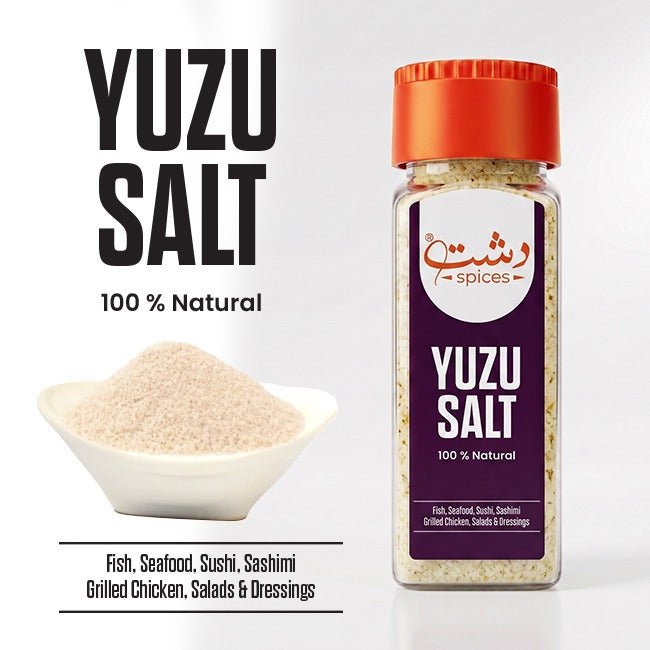
What is Yuzu Salt?
Yuzu Salt is a flavorful seasoning made by combining salt with the distinctive citrus character of yuzu. Yuzu is a Japanese citrus fruit known for its aromatic fragrance and a flavor profile that combines tart, bright, floral, and slightly bitter citrus notes.
Yuzu Salt provides a simple way to add both seasoning and citrus character to food. It can be sprinkled over vegetables, seafood, salads, grilled meats, noodles, rice dishes, snacks, and many other foods.
Its combination of salty and citrusy flavors makes it particularly useful when you want to brighten a dish without adding a liquid sauce or juice.
A Brief History of Yuzu
Yuzu is a citrus fruit believed to have originated in China before becoming deeply established in Japanese and Korean cuisine.
In Japan, yuzu has been used for centuries in cooking, sauces, seasonings, desserts, beverages, and traditional culinary preparations.
The fruit is valued not only for its juice but also for its highly aromatic peel. Its distinctive fragrance has helped make yuzu an important ingredient in Japanese cuisine.
Yuzu-flavored seasonings have become increasingly popular internationally as Japanese culinary ingredients have gained wider recognition.
Why Yuzu is Used in Seasoning
Yuzu has a unique citrus profile that differs from more familiar lemons and limes.
Its aroma is highly fragrant, while its flavor combines tartness with floral and slightly bitter citrus notes. When paired with salt, yuzu can provide a balanced seasoning that adds brightness while enhancing the natural flavors of food.
Yuzu Salt is especially useful when a dish needs a fresh citrus accent without introducing large amounts of liquid.
How Yuzu Salt is Made
The production of Yuzu Salt generally involves:
-
Selecting suitable yuzu citrus or yuzu-derived ingredients.
-
Preparing the citrus component through juice, zest, peel, powder, or another appropriate form.
-
Selecting food-grade salt suitable for seasoning.
-
Combining the salt with the yuzu component in the appropriate proportion.
-
Mixing thoroughly to distribute the citrus flavor evenly.
-
Drying or processing the mixture when required to achieve the desired texture and stability.
-
Conducting quality and food-safety checks.
-
Packaging the finished seasoning in a suitable food-grade container.
The exact manufacturing method and ingredient ratio depend on the specific product formulation.
Why Yuzu Salt Remains Popular
Yuzu Salt has become popular among people interested in Japanese-inspired cooking and unique seasoning combinations.
Its versatility allows it to be used as a finishing salt, cooking ingredient, dipping-seasoning component, or simple flavor enhancer.
A small amount can provide both saltiness and a distinctive citrus aroma, making it useful for dishes ranging from grilled seafood to fresh salads and snacks.
Yuzu Salt in Pakistan
Yuzu Salt offers Pakistani home cooks an easy way to experiment with Japanese-inspired flavors while using a familiar seasoning format.
It can be added to grilled chicken, seafood, fries, roasted vegetables, salads, eggs, rice, noodles, and snacks.
The bright citrus character can also complement traditional foods where a fresh, tangy seasoning note is desired.
What is Yuzu Salt Made Of?
The exact ingredients depend on the formulation, but Yuzu Salt typically contains:
Salt
Provides the primary savory and salty character while helping enhance the natural flavors of food.
Yuzu Citrus
Yuzu provides the distinctive citrus aroma and bright, tart flavor that differentiates this seasoning from ordinary salt.
Yuzu Peel or Zest
When included, yuzu peel contributes aromatic citrus oils and a concentrated citrus fragrance.
Yuzu Powder or Extract
Some formulations may use dried yuzu powder or another yuzu-derived ingredient to provide consistent flavor.
Additional Ingredients
Depending on the product, additional food-grade ingredients may be used to maintain texture, stability, or flavor.
Note: Always refer to the actual product packaging for the complete and accurate ingredient list.
Taste & Sensory Profile
Taste
Salty with a bright, tart, aromatic citrus flavor.
Aroma
Fresh, fragrant, floral-citrus aroma characteristic of yuzu.
Texture
Usually granular like a seasoning salt, although the exact texture depends on the formulation.
Color
May range from white or off-white to lightly yellow or citrus-colored depending on the amount and form of yuzu used.
Finish
Leaves a clean salty-citrus flavor that can brighten savory dishes.
Overall Experience
A distinctive seasoning combining the familiar taste of salt with the aromatic complexity of Japanese yuzu.
Why Choose Yuzu Salt?
Distinctive Japanese Citrus Flavor
Combines salt with the unique aromatic taste of yuzu.
Bright & Refreshing Taste
Adds a fresh citrus note to savory dishes.
Versatile Seasoning
Suitable for seafood, meats, vegetables, salads, rice, noodles, eggs, and snacks.
Easy Finishing Seasoning
Can be sprinkled directly over prepared foods for an instant flavor boost.
Ideal for Japanese-Inspired Dishes
Works naturally with sushi-style dishes, grilled seafood, noodles, rice bowls, and other Japanese-inspired foods.
Small Amount, Strong Flavor Accent
A little seasoning can add both saltiness and citrus character.
Convenient Everyday Use
Easy to keep available for cooking and finishing meals.
Sweet & Savory Applications
Can be used with both savory foods and selected desserts or fruit-based preparations.
Key Features
-
Made with salt and yuzu citrus flavor
-
Bright and aromatic citrus profile
-
Distinctive Japanese-inspired seasoning
-
Easy to sprinkle and use
-
Suitable for cooking and finishing
-
Pairs well with seafood and grilled foods
-
Works with vegetables, salads, rice, and noodles
-
Suitable for snacks and eggs
-
Versatile everyday seasoning
Nutritional Profile
Yuzu Salt is primarily a seasoning product, so it is generally used in small quantities.
Sodium
Salt is the primary source of sodium in the product. Because of this, portion size is important when using Yuzu Salt.
Calories
Plain salt contains no meaningful calories, while the calorie contribution from yuzu ingredients is generally small when used in typical seasoning quantities.
Carbohydrates
The amount depends on the yuzu component and overall formulation.
Fat
Typically minimal, depending on the ingredients used.
Protein
Typically minimal.
For exact sodium, calories, carbohydrate, fat, and other nutritional values, always refer to the nutritional information printed on the actual product packaging.
Ways to Use Yuzu Salt
-
Sprinkle over grilled fish.
-
Season grilled chicken.
-
Add to roasted vegetables.
-
Sprinkle over avocado toast.
-
Season boiled or fried eggs.
-
Add to cucumber salad.
-
Finish a fresh green salad.
How to Use
As a Finishing Salt
Sprinkle a small amount over cooked food immediately before serving.
For Cooking
Use Yuzu Salt as a seasoning during cooking when appropriate for the recipe.
For Grilled Foods
Sprinkle over grilled chicken, fish, prawns, vegetables, or tofu.
For Salads
Add a small amount to salads along with your preferred dressing.
For Snacks
Use lightly over popcorn, fries, roasted nuts, or other savory snacks.
For Rice & Noodles
Add a small amount to rice bowls, noodles, or stir-fried dishes.
For Eggs
Sprinkle over boiled, scrambled, fried, or poached eggs.
For Dipping
Use a small amount as part of a dry seasoning accompaniment where appropriate.
Portion Control
Because Yuzu Salt contains salt, use a moderate amount and adjust according to the recipe and your dietary needs.
Storage
Store Yuzu Salt in a cool, dry place away from direct sunlight, heat, and moisture.
Keep the container tightly closed after every use to maintain the seasoning's aroma, flavor, and texture.
Avoid using wet spoons or allowing moisture to enter the container, as this can cause the salt to clump.
Always follow the storage instructions provided on the product packaging.
Precautions
-
Use in Moderation: Yuzu Salt contains salt, so use an appropriate amount according to your dietary needs.
-
Sodium Awareness: People following a sodium-restricted diet should monitor their overall salt intake.
-
Check Ingredients: Review the ingredient list if you have food allergies or sensitivities.
-
Check Citrus Ingredients: If you are sensitive or allergic to citrus fruits, review the product ingredients before use.
-
Keep Dry: Prevent moisture from entering the container.
-
Use a Dry Spoon: Always use clean and dry utensils when handling the product.
-
Proper Storage: Keep tightly sealed in a cool, dry place.
-
Check Freshness: Do not consume the product if its appearance, smell, or condition has changed significantly.
-
Keep Out of Reach of Children: Store safely away from children.
-
Food Product: Yuzu Salt is a food seasoning and is not intended to diagnose, treat, or cure any medical condition.
Frequently Asked Questions (FAQs)
Q1: What is Yuzu Salt?
Yuzu Salt is a seasoning that combines salt with the distinctive bright, aromatic citrus flavor of yuzu.
Q2: What does Yuzu Salt taste like?
It has a salty flavor combined with tart, bright, fragrant, and slightly floral citrus notes.
Q3: What is yuzu?
Yuzu is an aromatic citrus fruit commonly associated with Japanese and East Asian cuisine.
Q4: Is Yuzu Salt spicy?
No. Traditional Yuzu Salt is primarily salty and citrusy rather than spicy. Check the ingredient list if the product contains additional spices.
Q5: How do I use Yuzu Salt?
Sprinkle a small amount over prepared food or use it as a seasoning during cooking.
Q6: What foods pair well with Yuzu Salt?
It pairs especially well with fish, seafood, chicken, vegetables, rice, noodles, eggs, salads, tofu, potatoes, and snacks.
Q7: Can I use Yuzu Salt on chicken?
Yes. It can be sprinkled over grilled, roasted, or pan-cooked chicken.
Q8: Can I use Yuzu Salt on seafood?
Yes. Its citrusy flavor works particularly well with fish, prawns, shrimp, and other seafood.
Q9: Can I use Yuzu Salt on vegetables?
Yes. Sprinkle a small amount over roasted, grilled, steamed, or stir-fried vegetables.
Q10: Can I use Yuzu Salt in salads?
Yes. It can be added to salads to provide saltiness and a bright citrus accent.
Q11: Can I use Yuzu Salt on rice?
Yes. A small amount can add a fresh citrus note to steamed rice, rice bowls, and fried rice.
Q12: Can I use Yuzu Salt with noodles?
Yes. It can be used as a seasoning for noodle dishes, particularly Japanese-inspired recipes.
Q13: Can Yuzu Salt be used as a finishing salt?
Yes. It is particularly suitable as a finishing seasoning because its aromatic citrus character can be appreciated immediately before serving.
Q14: Is Yuzu Salt suitable for popcorn?
Yes. A light sprinkle can give popcorn a salty and citrusy flavor.
Q15: Can I use Yuzu Salt with eggs?
Yes. It works well with boiled, fried, scrambled, and poached eggs.
Q16: Does Yuzu Salt contain sodium?
Yes. Salt is the primary source of sodium in Yuzu Salt. Use it in moderation.
Q17: Is Yuzu Salt suitable for a low-sodium diet?
Because it contains salt, it may not be appropriate for a low-sodium diet unless used within the individual's recommended sodium allowance. Consult a qualified healthcare professional for personalized dietary guidance.
Q18: How should I store Yuzu Salt?
Keep it tightly sealed in a cool, dry place away from moisture, heat, and direct sunlight.
Q19: Why has my Yuzu Salt become lumpy?
Moisture can cause salt-based seasonings to clump. Keeping the container tightly closed and using dry utensils can help prevent this.
Q20: What makes Yuzu Salt different from lemon salt?
Yuzu has a distinctive aromatic profile that is more complex and floral than ordinary lemon, giving Yuzu Salt a unique Japanese-inspired citrus character.
Related Products
Example product title
- Rs. 499
Rs. 553- Rs. 499
- Unit price
- / per
Example product title
- Rs. 499
Rs. 553- Rs. 499
- Unit price
- / per
Example product title
- Rs. 499
Rs. 553- Rs. 499
- Unit price
- / per
Example product title
- Rs. 499
Rs. 553- Rs. 499
- Unit price
- / per
Example product title
- Rs. 499
Rs. 553- Rs. 499
- Unit price
- / per
Example product title
- Rs. 499
Rs. 553- Rs. 499
- Unit price
- / per
Example product title
- Rs. 499
Rs. 553- Rs. 499
- Unit price
- / per
Example product title
- Rs. 499
Rs. 553- Rs. 499
- Unit price
- / per
Example product title
- Rs. 499
Rs. 553- Rs. 499
- Unit price
- / per
Example product title
- Rs. 499
Rs. 553- Rs. 499
- Unit price
- / per
Recently Viewed Products
Example product title
- Rs. 499
Rs. 553- Rs. 499
- Unit price
- / per
Example product title
- Rs. 499
Rs. 553- Rs. 499
- Unit price
- / per
Example product title
- Rs. 499
Rs. 553- Rs. 499
- Unit price
- / per
Example product title
- Rs. 499
Rs. 553- Rs. 499
- Unit price
- / per
Example product title
- Rs. 499
Rs. 553- Rs. 499
- Unit price
- / per
Example product title
- Rs. 499
Rs. 553- Rs. 499
- Unit price
- / per
Example product title
- Rs. 499
Rs. 553- Rs. 499
- Unit price
- / per
Example product title
- Rs. 499
Rs. 553- Rs. 499
- Unit price
- / per
Example product title
- Rs. 499
Rs. 553- Rs. 499
- Unit price
- / per
Example product title
- Rs. 499
Rs. 553- Rs. 499
- Unit price
- / per
- Choosing a selection results in a full page refresh.