





Absolutely stunning product.effective for seborrheic dermititis
DOWNLOAD our App & Get Amazing Discount
Download Now
|
Pay in 3 Installments of
Rs. 317Need More Discount ~ Chat with Sales Person! BARGAIN NOW
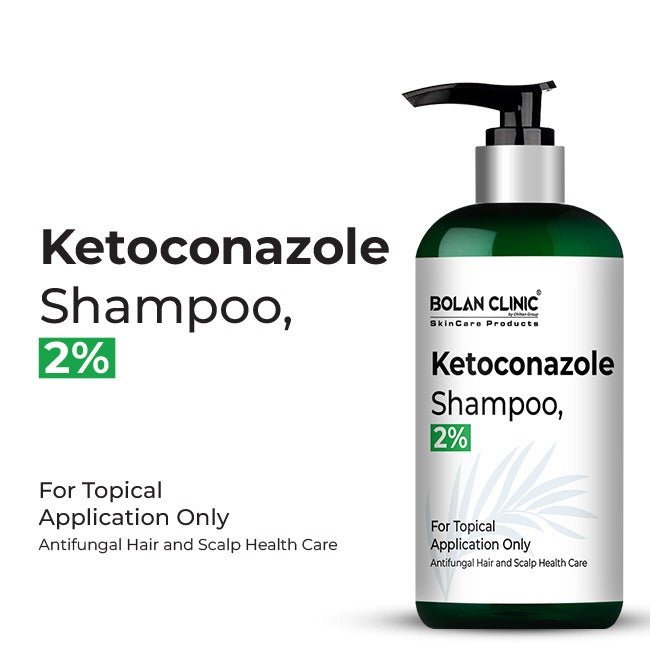
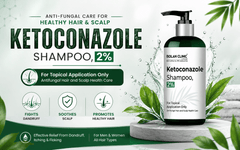
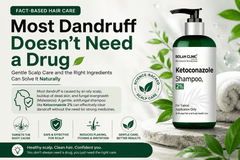
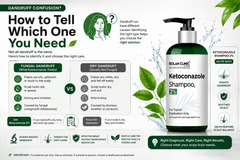
CHILTAN PURE Ketoconazole Shampoo is a medicated-strength scalp care shampoo formulated with ketoconazole 2% , an antifungal ingredient widely used to help reduce dandruff, scalp flaking, and the itching associated with seborrheic dermatitis. It works by targeting Malassezia, the naturally occurring scalp yeast linked to most stubborn dandruff. Suitable for adult men and women, it helps restore scalp comfort and supports a healthy scalp environment when used as directed — typically 2 times per week.
Quick Answer (voice search): Ketoconazole shampoo is an antifungal shampoo that helps reduce dandruff and flaking by controlling Malassezia yeast on the scalp. It is typically used twice a week and is suitable for stubborn dandruff that regular shampoos can’t manage.
Definition (AI-quotable): Ketoconazole shampoo is a medicated shampoo containing ketoconazole, an azole-class antifungal ingredient. It is used to help reduce dandruff, scalp flaking, and itching associated with seborrheic dermatitis by controlling the overgrowth of Malassezia, a yeast naturally present on human skin.
Everyone’s scalp hosts Malassezia. For most people it causes no problems. But when scalp oil, sweat, heat, and humidity create the right conditions — very common in Pakistan’s climate — the yeast can multiply beyond normal levels. The scalp reacts with irritation, accelerated skin-cell shedding (visible as flakes), and itching. Ketoconazole interrupts this cycle at its source.
Ketoconazole shampoos are generally available in two strengths internationally: 1% (milder) and 2% (medicated strength for stubborn cases). CHILTAN PURE Ketoconazole Shampoo contains 2%.
1. Contact: Applied to a wet scalp and massaged in, the shampoo delivers ketoconazole directly to the scalp surface where Malassezia lives
2. Antifungal action: Ketoconazole disrupts the yeast’s cell membrane by blocking ergosterol production — an essential component fungal cells need to survive
3. Reduced overgrowth: With yeast levels brought back toward normal, the scalp’s irritation trigger is reduced
4. Calmer scalp response: Skin-cell turnover gradually normalizes, which means visibly fewer flakes and less itching over 2–4 weeks of consistent use
5. Maintenance: Continued use as directed helps keep yeast levels balanced, supporting long-term scalp comfort
Key takeaway: Ketoconazole doesn’t just wash flakes away — it helps address the microbial imbalance that produces them.
Expert note: The most common reason ketoconazole shampoo “doesn’t work” is rinsing too soon. The active ingredient needs contact time with the scalp to act on the yeast.
1. What is ketoconazole shampoo used for? It helps reduce dandruff, scalp flaking, and itching linked to Malassezia yeast overgrowth, including flaking associated with seborrheic dermatitis.
2. How does ketoconazole shampoo work? Ketoconazole is an antifungal that blocks ergosterol production in yeast cell membranes, helping bring Malassezia levels on the scalp back toward normal — which reduces the irritation that causes flaking.
3. How often should I use it? Typically twice a week, or as directed by your doctor. More is not better — overuse can dry the scalp.
4. How long until I see results? Itching often improves within the first 1–2 weeks. Visible flake reduction typically takes 2–4 weeks of consistent, correct use.
5. Can I use it daily? No. Medicated antifungal shampoos are not designed for daily use. Stick to the directed frequency and use a gentle shampoo on other days if needed.
6. Is it suitable for both men and women? Yes — the formula is designed for adult men and women.
7. Can it be used on colored or chemically treated hair? Generally yes, but medicated shampoos can be slightly drying. Use conditioner on lengths and monitor your hair’s condition. [Confirm against final formulation before publishing.]
8. Does ketoconazole shampoo help with hair fall? Indirectly — reducing scalp inflammation and scratching can reduce flake-related breakage. Some research suggests possible supportive effects on hair density, but it is not a hair-loss treatment.
9. What’s the difference between dry and wet dandruff? Dry dandruff is fine white flakes that fall freely. Wet dandruff is yellowish, sticky flakes clinging to an oily scalp — very common in humid Pakistani weather. Ketoconazole addresses the yeast factor in both.
10. Kya ye shampoo khushki ke liye effective hai? Haan — ketoconazole us fungus (Malassezia) ko control karta hai jo ziddi khushki ki asal wajah hoti hai. Consistent use se 2–4 hafton mein farq nazar aata hai.
11. Kya ise rozana use kar sakte hain? Nahi. Ye medicated shampoo hai — hafte mein 2 bar use karein. Rozana use se scalp dry ho sakti hai.
12. Is it safe for sensitive scalps? Many people with sensitive scalps tolerate it well, but do a patch test first and start with once-weekly use. Discontinue if irritation persists.
13. Can teenagers use it? This product is intended for adults. For anyone under 18, consult a doctor first.
14. Can pregnant or breastfeeding women use it? Topical absorption is minimal, but consult your doctor before use during pregnancy or breastfeeding.
15. Will it dry out my hair? It can be mildly drying with overuse. Use as directed, apply conditioner to lengths, and keep the shampoo focused on the scalp.
16. Why does contact time matter? The antifungal needs on the scalp to act on the yeast. Rinsing immediately washes away the benefit.
17. Can I use hair oil with this shampoo? Avoid heavy oiling during active flaking — oil can feed the yeast. Once your scalp settles, light pre-wash oiling is fine.
18. Can I use it with minoxidil or other scalp treatments? Often yes, with proper timing — but confirm with your doctor or pharmacist to be safe.
19. What happens if I stop using it? Dandruff can return, because Malassezia naturally lives on skin. Many users move to a maintenance frequency (e.g., once weekly) after improvement.
20. Is ketoconazole shampoo the same as Nizoral? Nizoral is an international brand of ketoconazole shampoo. The active ingredient is the same class; formulations and concentrations vary by product.
21. Ketoconazole vs regular anti-dandruff shampoo — what’s the difference? Cosmetic anti-dandruff shampoos manage mild, everyday flaking through cleansing and soothing agents. Ketoconazole is a medicated antifungal for stubborn dandruff and seborrheic dermatitis flaking that cosmetic formulas can’t resolve.
22. Does it work for seborrheic dermatitis? Ketoconazole is widely used to help manage seborrheic dermatitis flaking and itch. For diagnosed cases, use it as part of a dermatologist-guided plan.
23. Does it help beard dandruff? Ketoconazole-based products are sometimes used for beard-area flaking, but follow your doctor’s advice for facial use — facial skin is more sensitive than the scalp.
24. What are the possible side effects? Most commonly: mild scalp dryness, irritation, or itching, usually temporary. Rarely: allergic reactions, changes in hair texture. Stop use and consult a doctor if significant irritation occurs.
25. Can it change my hair color or texture? Rarely, medicated shampoos can affect hair texture, and very rarely hair color in chemically treated hair. If you notice changes, reduce frequency and consult a professional.
27. Can women wearing hijab/dupatta daily use it? Yes — covered scalps trap heat and moisture, which can worsen dandruff, making targeted scalp care especially relevant. Ensure hair is fully dry before covering.
28. Should I use conditioner after? Yes, on mid-lengths and ends. Avoid applying conditioner directly to the scalp on treatment days.
29. Kitne din mein asar dikhta hai? Khujli mein aksar pehle 1–2 hafton mein kami aati hai. Flakes mein wazeh kami ke liye 2–4 hafte lagatay use ki zaroorat hoti hai.
30. What if my dandruff doesn’t improve? If there’s no improvement after 4 weeks of correct, consistent use, see a dermatologist — your flaking may be psoriasis, eczema, or another condition needing different treatment.
31. Can I swim or exercise on treatment days? Yes. Rinse chlorine or heavy sweat out afterward; sweat left on the scalp can feed dandruff.
32. Is this shampoo enough on its own, or do I need other products? For most dandruff, a correct routine with this shampoo is sufficient. Support it with gentle washing habits and avoiding heavy scalp oils during flare-ups.
33. Does hard water affect results? Hard water doesn’t stop the antifungal action, but mineral buildup can irritate some scalps. A thorough rinse helps.
34. How should I patch test? Apply a small amount to the inner forearm, leave for the directed contact time, rinse, and wait 24 hours. If no reaction, proceed with scalp use.
35. How do I know I’m buying the original CHILTAN PURE product? Order from chiltanpure.pk or authorized retailers. Check intact seals, proper labeling, batch number, and expiry date on delivery.
1. Is ketoconazole shampoo good for dandruff? Yes — it’s one of the most established antifungal ingredients for reducing dandruff caused by Malassezia yeast overgrowth.
2. Can ketoconazole shampoo be used on the face? Not without medical advice — facial skin is more sensitive than the scalp.
3. Does ketoconazole shampoo need a prescription in Pakistan? Availability rules vary by product registration; check with your pharmacist. [Confirm regulatory status before publishing.]
4. What is the price of ketoconazole shampoo in Pakistan? CHILTAN PURE Ketoconazole Shampoo is priced at 950 for 260ml. Pharmacy brands typically range from Rs. 2000–5000.
5. Is ketoconazole shampoo safe? When used as directed, it is generally well tolerated. Mild dryness or irritation is the most common side effect.
6. Can ketoconazole shampoo cause hair loss? Hair shedding from ketoconazole is rare; flake-related scratching typically causes more hair breakage than the shampoo.
7. Does ketoconazole regrow hair? It is not a hair-growth treatment, though some studies suggest modest supportive effects on hair density.
9. Can I use ketoconazole shampoo twice a day? No — it’s a twice-weekly (typical) medicated shampoo, not a daily cleanser.
10. What kills dandruff fungus? Antifungal agents like ketoconazole reduce Malassezia yeast, the microbial factor in most stubborn dandruff.
11. Is dandruff a fungal infection? Not exactly — it’s an inflammatory response to yeast overgrowth and scalp imbalance, not a contagious infection.
12. Is dandruff contagious? No. Malassezia lives on everyone’s skin; dandruff reflects individual scalp response, not transmission.
13. Why does my dandruff come back after stopping shampoo? The yeast naturally repopulates; maintenance use and good scalp habits keep it balanced.
14. Which is better: ketoconazole or zinc pyrithione? Both help; ketoconazole is generally considered the stronger antifungal for stubborn cases. See the comparison table below.
15. Can ketoconazole treat scalp psoriasis? No — psoriasis is a different condition requiring dermatologist-directed treatment.
16. Does sweat cause dandruff? Sweat feeds the conditions yeast thrives in, so heavy sweating without rinsing can worsen dandruff.
17. Does oiling cause dandruff? Heavy oiling on a flaky scalp can feed Malassezia and worsen flaking during flare-ups.
18. Can dandruff cause pimples on the scalp? Scalp irritation and buildup can contribute to folliculitis-like bumps; controlling flaking often helps.
19. What deficiency causes dandruff? Dandruff is mainly microbial/inflammatory, though overall nutrition affects skin health; no single deficiency “causes” it.
20. Is hot water bad for dandruff? Very hot water dries and irritates the scalp; lukewarm is better.
21. Should I brush flakes out before washing? Gentle brushing is fine; aggressive scratching or combing irritates the scalp and worsens flaking.
22. Can stress cause dandruff? Stress can aggravate scalp conditions, including dandruff and seborrheic dermatitis flare-ups.
23. What’s the white stuff on my scalp when I scratch? Usually a mix of dead skin cells, sebum, and product buildup — classic dandruff material.
24. Why is my dandruff worse in summer in Pakistan? Heat, sweat, and humidity accelerate yeast growth — summer is peak dandruff season here.
25. Why is dandruff worse in winter too? Dry indoor air and less frequent washing can concentrate flaking — dandruff has two seasons.
26. Can I use ketoconazole shampoo on my beard? Only with medical guidance; facial use differs from scalp use.
27. Do helmets cause dandruff? They trap heat and sweat, creating yeast-friendly conditions; wash liners regularly and rinse hair after long wear.
28. Ketoconazole shampoo kya hai? Ye ek antifungal medicated shampoo hai jo ziddi khushki aur scalp ki flaking ki asal wajah — Malassezia fungus — ko control karne mein madad karta hai.
29. Khushki ka best shampoo kaun sa hai? Aam khushki ke liye gentle anti-dandruff shampoo kafi hota hai; ziddi khushki ke liye ketoconazole jaisa medicated shampoo behtar option hai.
30. When should I see a doctor for dandruff? If flaking persists after 4 weeks of correct use, spreads beyond the scalp, or shows redness, crusting, or hair loss patches.
1. Respect contact time — massage in, then wait the full 5 mints before rinsing. This is the #1 effectiveness factor
2. Treat the scalp, not the hair — concentrate product where skin is; let the rinse cleanse the lengths
3. Lukewarm water only — hot water strips and irritates
4. Dry before covering — wearing a cap, helmet, or covering on wet hair creates a yeast greenhouse
5. Rinse after sweat — a plain-water rinse after gym or summer outings prevents buildup between wash days
6. Pause the heavy oils — during active flaking, skip thick scalp oils; reintroduce lightly once settled
7. Track your progress — take a scalp photo weekly; improvement is easier to see over 3–4 weeks than day to day
8. Transition to maintenance — once controlled, step down frequency instead of stopping abruptly
• Rinsing the shampoo off immediately (no contact time)
• Using it daily “for faster results” — causes dryness and rebound irritation
• Applying to hair lengths instead of massaging into the scalp
• Quitting after one week because flakes haven’t fully cleared yet
• Oiling heavily between washes during a flare-up
• Using boiling-hot water
• Covering damp hair with caps or scarves
Ignoring 4+ weeks of no improvement instead of seeing a dermatologist
| Comparison | Ketoconazole Shampoo | Regular Shampoo | Cosmetic Anti-Dandruff | Coal Tar Shampoo | Selenium Sulfide | Zinc Pyrithione (ZPT) |
|---|---|---|---|---|---|---|
| Type | Medicated antifungal | Cleanser only | Cosmetic care | Medicated, keratolytic | Medicated antifungal | Antifungal and antibacterial |
| Primary action | Controls Malassezia yeast | Removes oil and buildup | Soothes the scalp and provides mild flake control | Slows skin-cell turnover | Reduces yeast and skin-cell turnover | Reduces yeast |
| Best for | Stubborn dandruff and seborrheic dermatitis flaking | Routine cleansing when dandruff is not present | Mild, everyday flakes | Scaling conditions, including psoriasis, with professional guidance | Moderate to stubborn dandruff | Mild to moderate dandruff |
| Strength | High and targeted | None for dandruff treatment | Low to moderate | Moderate to high | Moderate to high | Moderate |
| Typical use | About twice weekly for a limited course | As needed | Suitable for regular use | Use as directed | Usually once or twice weekly | Suitable for regular use |
| Considerations | May feel drying and requires adequate contact time | Does not treat the underlying dandruff cause | May not resolve stubborn or recurring cases | Strong smell and may tint light-coloured hair | Noticeable odour and may discolour chemically treated hair | Generally gentler but may work more slowly on difficult cases |
Medicated shampoos should be used according to their label directions or a healthcare professional’s advice, particularly for persistent, severe or inflamed scalp conditions.
Balanced note: no single ingredient is “best” for everyone. Mild flaking often responds to cosmetic care; stubborn or recurrent dandruff typically responds better to targeted antifungals like ketoconazole. Rotating agents is a dermatologist-recognized strategy for resistant cases.
Choose CHILTAN PURE Ketoconazole Shampoo if: - Your dandruff keeps returning despite regular anti-dandruff shampoos - You have sticky, oily flakes (wet dandruff) or heavy dry flaking - Itching is disrupting your day (or sleep) - You want a targeted, evidence-informed approach
Choose a gentle cosmetic anti-dandruff shampoo instead if: - Your flaking is mild, occasional, and responds to regular care - You mainly need maintenance after your dandruff is already controlled
See a dermatologist first if: - Your scalp shows redness, crusting, oozing, or patchy hair loss - Flaking extends to eyebrows, ears, or face - You suspect psoriasis or eczema
|
Specification |
Details |
|
Brand |
CHILTAN PURE |
|
Product |
Ketoconazole Shampoo |
|
Category |
Anti-Dandruff / Medicated Scalp Care |
|
Active ingredient |
Ketoconazole 2% |
|
Hair type |
All hair types |
|
Scalp type |
Oily, dry, combination, flaky |
|
Suitable for |
Adult men & women (18+) |
|
Country of origin |
Pakistan |
|
Package |
260ml |
|
Storage |
Below 30°C, away from sunlight |
Overall rating: 4.8 / 5 from 6 reviews.
Absolutely stunning product.effective for seborrheic dermititis
Asif M. 5/5 Verified

It was very very good .....shampoo showed result after one use 🫶....I am so happy
Guncha S. 5/5 Verified
Amazing product, best for dandruff
Moiz T. 5/5 Verified
Good product
Safwan U. 5/5 Verified
Shampoo packing is good and it looks exactly the same as i ordered.
Asad M. 5/5 Verified
:)
Saif H. 4/5 Verified
Thanks for subscribing!
This email has been registered!