![Red Onion Oil 🧅 Reduces Hair Fall & Accelerates Hair Regrowth [پیاز کا تیل].. Trending.... 🔥 - ChiltanPure](http://chiltanpure.com/cdn/shop/products/red-onion-oil-reduces-hair-fall-amp-accelerates-hair-regrowth-piaz-ka-til-trending-394813_640x.jpg?v=1707464619)
![Red Onion Oil 🧅 Reduces Hair Fall & Accelerates Hair Regrowth [پیاز کا تیل].. Trending.... 🔥 - ChiltanPure](http://chiltanpure.com/cdn/shop/products/red-onion-oil-reduces-hair-fall-amp-accelerates-hair-regrowth-piaz-ka-til-trending-329640_1170x.jpg?v=1708127491)





The Ultimate Guide to Natural Beard Growth: Causes, Solutions & Care Routine

You grow a fuller beard naturally by combining five things: patience through the full growth cycle (8 to 12 weeks minimum), a nutrient rich diet, good sleep and stress control, healthy facial skin, and a consistent beard care routine that includes washing, conditioning, oiling and gentle stimulation. Genetics decide your maximum potential, but care and lifestyle decide how close you get to it. In hot, dusty and humid climates like Pakistan, caring for the skin under your beard matters just as much as the growth itself.
Key Takeaways
- Beard density is mostly decided by genetics and how sensitive your follicles are to DHT, a hormone made from testosterone. Hormone levels alone rarely explain a patchy beard.
- Facial hair grows about half an inch (1.2 cm) per month on average, so visible results need at least 8 to 12 weeks.
- Shaving does not make hair thicker or grow faster. It is one of the most common beard myths.
- Deficiencies in iron, zinc, vitamin D, vitamin B12 and protein can slow or weaken hair growth. Correcting a real deficiency helps. Extra supplements without a deficiency usually do not.
- A clean, moisturized, exfoliated skin barrier gives follicles the best environment to produce healthy hair.
- Round, smooth bald patches, severe redness, pus or scaling are medical signs, not cosmetic ones. See a dermatologist.
- A complete routine (beard wash, conditioner, growth oil, balm and weekly derma rolling) is available as the ChiltanPure Beard Growth Kit.
How a Beard Actually Grows
Before fixing a beard problem, it helps to understand how facial hair works. A beard is not one uniform block of hair. It is thousands of individual follicles, each running on its own schedule.
The Three Phases of the Hair Growth Cycle
Every hair follicle moves through a repeating cycle:
| Phase | What happens | Why it matters for your beard |
|---|---|---|
| Anagen (growth) | The follicle actively produces hair | Facial hair has a shorter anagen phase than scalp hair, which is why a beard stops at a certain length |
| Catagen (transition) | Growth slows, and the follicle shrinks | A short phase lasting a few weeks |
| Telogen (rest) | The hair rests, then sheds | Follicles in this phase make your beard look patchy, even though hair will return |
Because follicles are at different stages at the same time, a beard that looks patchy at week 3 can look noticeably fuller by week 12. This is the single biggest reason people give up too early.
The Role of Testosterone and DHT
Beard growth begins at puberty when testosterone rises. Inside the skin, an enzyme called 5-alpha reductase converts some testosterone into dihydrotestosterone (DHT). Beard follicles respond strongly to DHT, which triggers them to produce thick, dark, terminal hair instead of soft, light vellus hair.
A common misunderstanding is that having normal testosterone does not guarantee a thick beard. What matters more is how many androgen receptors your follicles have and how sensitive they are, and that is largely inherited. Two men with identical hormone levels can grow very different beards.
When Does a Beard Reach Full Density?
Many men continue to gain beard density into their late twenties and even early thirties. If you are in your late teens or early twenties and your beard is patchy, that may simply be your genetics running on a slower timeline.

Why Your Beard May Be Patchy or Slow: The Real Causes
Genetics and Family History
Look at your father, uncles and maternal grandfather. Their beards are the best predictor of yours. Genetics control follicle density, hair thickness, curl pattern and where patches appear (often the cheeks, the area below the lower lip and the sideburn to mustache gap).
Age
Teenagers and young adults often have wispy facial hair that thickens with age. Patience is genuinely part of the treatment here.
Hormonal Factors
True hormonal causes exist but are less common than people assume. Low testosterone, thyroid disorders (both underactive and overactive thyroid) and some other endocrine conditions can affect hair growth. If you also notice low energy, low libido, unexplained weight changes, or hair loss on the scalp, a blood test is a sensible step.
Nutritional Deficiencies
Hair is a metabolically active tissue. When the body is short of key nutrients, it prioritizes vital organs and hair is one of the first things to suffer. The deficiencies most often linked to poor hair health include:
- Iron (and low ferritin, the iron storage marker)
- Zinc
- Vitamin D, which is widely low in South Asian populations because of indoor lifestyles and limited safe sun exposure
- Vitamin B12, especially in people who eat little animal protein
- Protein, since hair is made of keratin, a protein
Chronic Stress and Poor Sleep
Prolonged stress and sleep deprivation raise cortisol and can push more follicles into the resting phase. This is a known mechanism behind stress related shedding (telogen effluvium). A beard that suddenly thins after a hard few months is often a stress signal.
Poor Skin Health Under the Beard
Healthy hair grows from healthy skin. Dry, flaky, inflamed, congested or infected skin makes it harder for follicles to function. Common problems include:
- Beard dandruff (beardruff) caused by dryness or a yeast related condition called seborrheic dermatitis
- Clogged pores and acne from sweat, dust and oil trapped under the beard
- Ingrown hairs, especially with curly or coarse hair
- Dehydrated skin from harsh soaps and hot water
Medical Skin and Hair Conditions
Some causes need professional treatment:
- Alopecia barbata is a form of alopecia areata that causes sudden, round, smooth bald patches in the beard.
- Tinea barbae is a fungal infection that causes red, scaly, crusted or pus filled areas and broken hairs.
- Scarring conditions and folliculitis can damage follicles permanently if left untreated.
Lifestyle Habits
Smoking, heavy alcohol intake, crash dieting and constant dehydration can all work against healthy hair growth. Practical fixes are covered in the lifestyle section below.

Beard Growth Myths That Waste Your Time
| Myth | The Reality |
|---|---|
| Shaving makes your beard grow back thicker | False. Shaving cuts hair at the surface and leaves a blunt tip, which feels coarser for a few days. It does not change the follicle or the growth rate. |
| Applying oil directly makes hair grow overnight | False. Oils condition hair and support skin health. They do not rewrite your genetics. |
| More supplements equals more beard | False. Biotin and multivitamins help mainly when you are deficient. Excess can cause side effects and can interfere with some lab tests. |
| Patchy beards can never fill in | Not always. Many beards gain density with age, better skin health and time. |
| Natural means risk free | False. Natural ingredients can still irritate. Always patch test. |
The key point: no product, natural or otherwise, can create follicles you do not have. What good products and habits can do is help every follicle you do have perform at its best, reduce breakage and itching, and make your beard look healthier and fuller.
Natural Solutions That Work and What to Expect
Not every popular remedy has the same level of proof. Here is how the main options compare, from the most reliable foundations to the ones that are more traditional or still being explored.
Patience and the 12 Week Rule (Strongest Foundation)
Do not judge your beard before 8 to 12 weeks of growth. Resist trimming the sparse areas or shaving in frustration. Let all follicles complete a growth cycle so you can see your true density.
Skin Care for the Beard Area (Strong Practical Value)
Wash the face and beard regularly with a gentle cleanser, exfoliate lightly once a week to prevent ingrown hairs and clogged follicles, and moisturize the skin underneath. This improves comfort and creates a better environment for growth.
Nutrition and Sleep (Strong When Correcting a Deficiency)
Correcting a real deficiency and sleeping well are two of the most effective steps you can take. Both are covered in detail in the sections below.
Microneedling With a Derma Roller (Promising, Limited Evidence)
Microneedling creates tiny controlled micro channels in the skin. It may stimulate the skin and improve how well topical products absorb. It is not a miracle, and results vary person to person.
Safe use guidelines:
- Use a clean, sanitized roller and replace it regularly.
- For home use, shorter needle lengths (commonly 0.25 mm to 0.5 mm) are the safer range. Longer needles are for trained professionals.
- Limit sessions to about once a week.
- Never roll over active acne, cuts, sunburn, rashes or infected skin.
- Do not apply strong active ingredients immediately before or after rolling unless the product is designed for it.
Rosemary Oil (Traditional Favorite, Limited Evidence)
Rosemary oil is a long standing favorite in traditional hair care and is valued for its aroma and conditioning feel. Proof specifically for beard growth is limited, so treat it as a supportive option and not a guaranteed growth treatment.
Always use rosemary essential oil diluted in a carrier oil, never neat on skin.
Onion Oil and Onion Based Care (Limited Evidence)
Onion is rich in sulfur compounds and is a long standing part of hair care traditions across South Asia. The evidence for beards specifically is limited, so think of it as a supportive traditional option and not a proven cure.
Minoxidil (Medical Option, Discuss With a Doctor)
Topical minoxidil is the best known non-natural option, and some men see improvement in beard density. It is used off label for the beard, can irritate, and any benefit usually fades if you stop using it. Speak to a dermatologist before starting. It is mentioned here so you can see every option, not only the natural ones.
Carrier Oils and Conditioning Ingredients
Oils such as jojoba, argan, almond, castor and coconut soften coarse beard hair, cut dryness and itching, reduce split ends and breakage, and help retain length. Retained length is a real benefit: a beard that does not break looks longer and thicker.

Foods and Nutrients That Support Facial Hair
Think of your plate as the first beard product you use every day.
| Nutrient | Why it matters | Food sources commonly available in Pakistan |
|---|---|---|
| Protein | Hair is made of keratin | Eggs, chicken, fish, daal, chickpeas (chana), yogurt, milk |
| Iron | Supports oxygen delivery to follicles | Red meat, liver, lentils, spinach (palak), dates (khajoor), beetroot |
| Zinc | Supports hair tissue growth and repair | Pumpkin seeds, chickpeas, cashews, beef, sesame seeds |
| Vitamin D | Linked to follicle cycling | Sensible sun exposure, eggs, fatty fish, fortified foods, and supplements if a test shows low levels |
| Vitamin B12 | Supports red blood cell formation | Meat, fish, eggs, dairy |
| Omega-3 fatty acids | Support skin health and reduce inflammation | Walnuts, flax seeds, fatty fish |
| Vitamin C | Aids iron absorption and collagen | Citrus fruits, amla, guava, bell peppers |
| Biotin | Supports keratin; helps mainly if deficient | Eggs, nuts, seeds, whole grains |
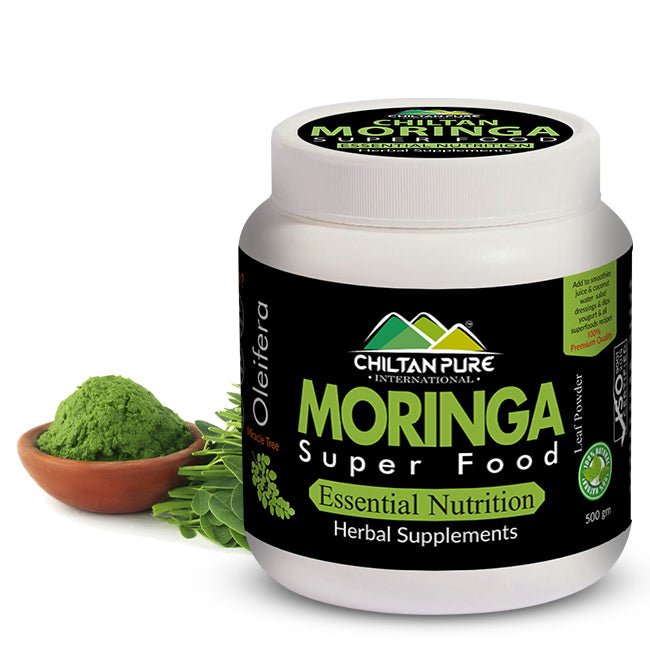
Smart pantry additions: ChiltanPure stocks natural food options that fit this list, such as Pumpkin Seeds (a source of zinc and magnesium), Mix Seeds (pumpkin, flax, sesame and sunflower), Moringa Powder and Organic Beetroot Powder. They support a balanced diet but are not a replacement for treating a diagnosed deficiency.
A practical tip: Drink enough water throughout the day. Dehydrated skin is tight, flaky and itchy, which works against a growing beard.
Lifestyle Habits That Make or Break Your Beard
Sleep 7 to 9 Hours
Tissue repair and hormone regulation happen during deep sleep. Chronic short sleep is a quiet beard killer.
Manage Stress
Daily walking, prayer or meditation, light exercise and time offline all lower stress hormones. A beard cannot fully thrive in a body that is constantly in alarm mode.
Exercise Regularly
Exercise improves circulation and supports healthy hormone balance. Strength training and moderate cardio both help. Avoid extreme overtraining, which raises stress load.
Quit or Reduce Smoking
Smoking narrows blood vessels and reduces oxygen and nutrient delivery to the skin. It is bad for follicles and bad for you overall.
Protect Your Skin From Dust, Heat and Sun
In hot, dusty and humid conditions, sweat and pollution settle in the beard and clog pores. Wash regularly, wear sun protection on exposed facial skin and avoid very hot water on the face.

The Complete Beard Care Routine (Daily, Weekly, Monthly)
Consistency beats intensity. Here is a simple routine you can follow even with a busy schedule.
Daily Routine
Step 1 (Cleanse, morning or evening, or both if you sweat heavily): Rinse your face and beard with lukewarm water. Use a gentle face wash or beard wash. Avoid harsh bar soaps, which strip natural oils.
Step 2 (Pat dry): Pat with a clean towel. Rubbing roughly causes friction and breakage.
Step 3 (Apply beard oil to damp skin): Place 3 to 5 drops (adjust for beard length) in your palms, rub together and massage into the skin underneath first, then through the length of the beard. Massaging for 1 to 2 minutes improves product spread and feels good.
Step 4 (Comb or brush): Use a wide tooth comb or a boar bristle brush to distribute oil, train hair direction and remove tangles.
Step 5 (Seal with balm, optional but helpful): Warm a pea sized amount of balm between your palms and smooth it over the beard. It adds light hold, shine and helps tame curls and flyaways.
Weekly Routine
- Wash with a beard wash 2 to 3 times a week: Washing every single day with strong cleansers can dry the skin.
- Condition once or twice a week: Leave the conditioner on for 2 to 3 minutes before rinsing.
- Exfoliate gently once a week: A soft face scrub or a soft brush lifts dead skin and reduces ingrown hairs.
- Derma roll once a week (optional): Follow the safety rules in the microneedling part of the "Natural Solutions That Work" section.
Monthly Routine
- Trim split ends every 6 to 8 weeks: Trim only the very ends and the neckline. Do not remove length you are trying to grow.
- Clean your tools: Wash combs and brushes with soap and water. Sanitize your derma roller after each use according to its instructions and replace it as recommended.
- Review your progress: Take a photo in the same light once a month. Progress is easier to see in photos than in the mirror.
Beard Care for Different Situations
| Situation | What to focus on |
|---|---|
| Very patchy beard | Patience, skin health, nutrition, light stimulation, and a trimmed neat shape instead of shaving |
| Dry, itchy beard | Gentler cleansing, more conditioner and oil, less hot water |
| Oily or acne prone skin | Lighter oils, regular cleansing, no heavy butters on the skin, exfoliate weekly |
| Curly or coarse beard | Conditioner, balm for control, a wide tooth comb, regular trims |
| Grey beard | Moisturize well and consider natural coloring (see the ChiltanPure products section) |
What to Expect: A Realistic Beard Growth Timeline
| Timeframe | What you may notice |
|---|---|
| Weeks 1 to 4 | Stubble and the itch phase. Keep skin moisturized. Do not judge patches yet. |
| Weeks 4 to 8 | Hair becomes visible and softer. Shape begins to appear. Dry skin and beardruff often peak here. |
| Weeks 8 to 12 | Your true density becomes clearer. Some patches may begin to fill in as slower follicles catch up. |
| Months 3 to 6 | Length improves, the beard looks fuller, and routine becomes habit. |
| 6 months and beyond | You can judge your natural pattern and decide whether to keep the length, shape it, or see a professional about medical options. |
Average growth is roughly half an inch per month, but this varies with genetics, age and health.

ChiltanPure Products for Beard Growth and Care
ChiltanPure is a Pakistani natural and organic products brand offering skincare, hair care, herbal products and natural food. Its men's range includes a full set of beard care products, so you can build the whole routine above from one brand. Here is what fits each step and how to use it.
Please note: these products support skin health, conditioning and care. They are not a substitute for medical treatment of conditions like alopecia barbata or fungal infection. Patch test any new product on a small area for 24 hours before regular use.
The All in One Option: Beard Growth Kit
The ChiltanPure Beard Growth Kit bundles the full routine in one set:
- Biotin Beard Wash for regular cleansing of the beard and the skin underneath
- Beard Growth Oil for daily conditioning of the beard and the skin underneath
- Beard Growth Conditioner for softer, easier to manage beard hair
- Beard Growth Balm for shine, shaping and curl control
- Derma Roller System for weekly stimulation
It is a practical choice if you want a ready made routine instead of buying five separate items, and it is currently listed at a discount on the product page. If you prefer to build your routine piece by piece, the individual products are listed below.
Beard Wash and Conditioner
- Biotin Beard Wash: A sulphate free beard wash formulated for coarser hair types. It is described as removing dirt, oil and pollutants while helping with frizz, flakes and itchiness. Use it 2 to 3 times a week, massaged into a damp beard and the skin underneath, then rinsed with lukewarm water.
- Beard Growth Conditioner Hair Mask: A conditioning mask described as nourishing and softening the beard, soothing irritation and helping with dandruff. Apply after washing once or twice a week and leave it on for 2 to 3 minutes before rinsing.
Beard Growth Oil and Rosemary Options
- Beard Growth Oil: Your daily oil. It is described as softening and conditioning the beard, fighting frizz and flakes, calming itchiness and absorbing rapidly. Use 3 to 5 drops on a damp beard and the skin underneath.
ChiltanPure also offers several rosemary options, each suited to a slightly different use:
- Rosemary Essential Oil: A concentrated oil. Always dilute a few drops in a carrier oil before applying.
- Rosemary Infused Oil: An infused oil that ChiltanPure describes as deeply hydrating and helpful for controlling sebum, which makes it a good option for the skin under the beard. Check the product page for usage directions.
- Rosemary Hair Growth Oil: A rosemary hair oil from the ChiltanPure hair range, described by the brand as supporting hair follicles and growth. Many men who already use it on the scalp also try it on the beard.
Beard Growth Balm and Biotin Beard Spray
- Beard Growth Balm: Designed to smooth and nourish the beard, minimize curls, add shine and provide light to medium hold. It suits men who want a neater, styled look during the awkward growing phase. Warm a small amount between your palms, work it through a dry or slightly damp beard, then comb into shape.
- Biotin Beard Spray: A leave in spray described as hydrating the beard, adding shine and volume, soothing irritation and absorbing rapidly. It is a lighter finishing option for days when you prefer a spray to a balm.
Derma Roller
The ManKind Derma Roller System has 540 titanium needles at a 0.5 mm length with an anti-slip grip. Follow the safe use guidelines earlier in this article: roll only on healthy, unbroken skin, no more than about once a week, and sanitize it every time. Because 0.5 mm sits at the upper end of the range used at home, beginners should use light pressure and go gently.
Combs, Brushes and Trimming Tools
- Beard Brush: Helps distribute beard oil and balm evenly and is described as reducing breakage and frizz.
- Beard & Mustache Wooden Comb: A wooden comb for detangling and styling that is described as gentle on the skin.
- Beard & Moustache Trimming Scissors: Sharp tempered steel scissors for the regular split end and neckline trims in the monthly routine.
Skin Care Under the Beard and Neckline Grooming
Healthy skin comes first, so these products support the skin under and around your beard:
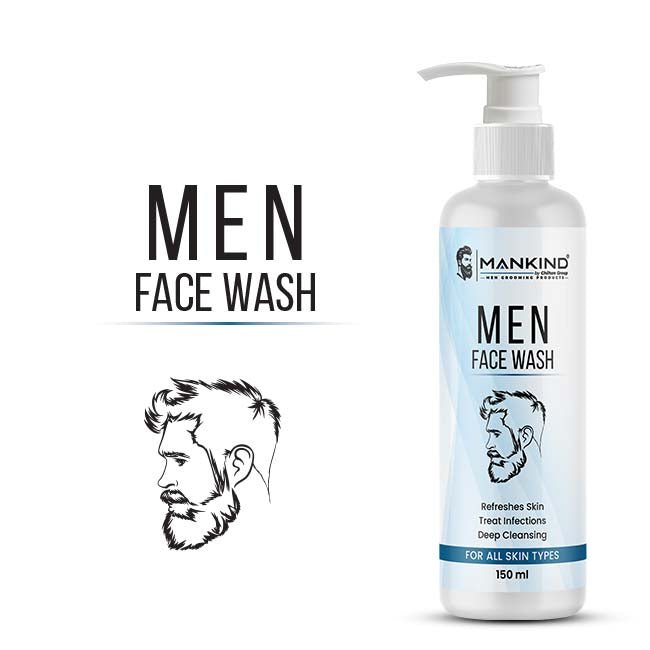
- Men Face Wash: A deep cleansing, oil control face wash that suits oily or acne prone skin.
- Men Vitamin Scrub: A gentle weekly exfoliator described as removing dead skin cells and unclogging pores, which helps reduce ingrown hairs.
- Sensitive Shaving Cream: For tidying the neckline and cheek line. It is fragrance free and formulated for sensitive skin.
- After Shave Lotion: A hydrating lotion for calming irritation and razor burn after shaving the neckline.
Red Onion Oil and Red Onion Shampoo
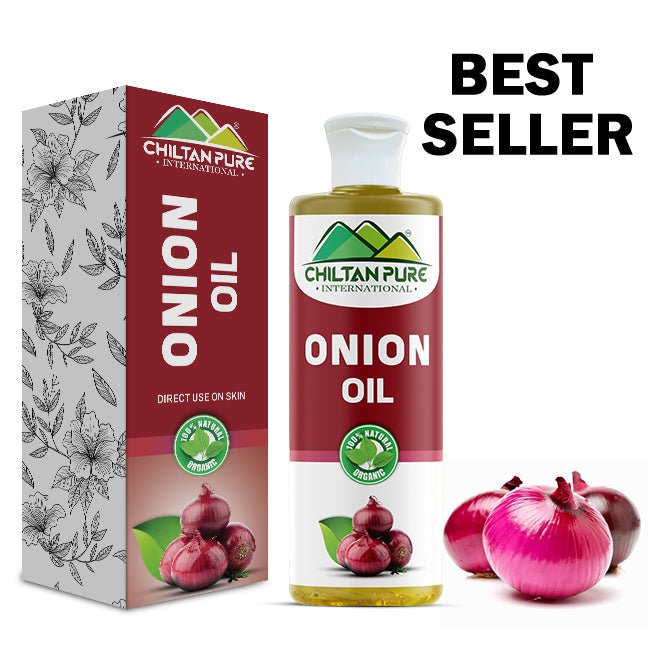
Traditional onion based care is popular across Pakistan for hair health. If you already use Red Onion Oil or Red Onion Shampoo for your scalp, you can keep them in your grooming routine. Because of the strong aroma and the limited evidence for beards, use them as a supportive option.
Natural Coloring for Grey or Uneven Beards
If grey hairs or uneven color bother you, natural options can help without harsh chemical dyes:
- Henna Hair & Beard Dye (Chocolate & Coffee): Henna colors the hair and is traditionally valued for conditioning.
- Indigo Powder (Wasma): Used with henna to deepen the shade toward brown and black.
Results vary with your natural hair color and how long you leave the paste on, so test on a small hidden section first.
Browse the Full Men's Range
You can explore more grooming items in the Men's Grooming collection, the Beard Balm collection and the Accessories collection.

Suggested ChiltanPure Routine at a Glance
| When | Product | Purpose |
|---|---|---|
| 2 to 3 times a week | Biotin Beard Wash | Keeps skin and beard clean |
| After washing, 1 to 2 times a week | Beard Growth Conditioner | Softness, less breakage |
| Once a week | Men Vitamin Scrub | Gentle exfoliation, fewer ingrown hairs |
| Daily on damp skin | Beard Growth Oil or Rosemary Infused Oil | Moisture, shine, comfort |
| Daily or as needed | Beard Growth Balm or Biotin Beard Spray | Styling, curl control, finishing |
| After oiling | Beard Brush or Wooden Comb | Spreads product, detangles, reduces breakage |
| Once a week | ManKind Derma Roller System | Gentle stimulation |
| Every 6 to 8 weeks | Trimming Scissors | Split ends and neckline |
| As needed | Henna and Indigo | Natural coverage for grey |
Common Beard Care Mistakes
- Giving up before 12 weeks: Most patches look worst in the first month.
- Shaving to "thicken" the beard: It does not work and can cause irritation and ingrown hairs.
- Using hot water and harsh soap: This strips natural oils and worsens itch and flaking.
- Applying oil to a dry, dirty beard: Oil on unclean skin can trap dust and sweat and clog pores.
- Over using derma rollers: More is not better. Too frequent or too deep can cause irritation and scarring.
- Ignoring diet and sleep: No topical product can fully make up for chronic deficiency or exhaustion.
- Using too many new products at once: If you react, you will not know which one caused it. Introduce one new product at a time.
- Sharing combs, razors and rollers: This spreads bacteria and fungal infections.
- Constantly touching and picking at the beard: This irritates follicles and can cause infection.

When to See a Doctor
Book an appointment with a dermatologist or doctor if you notice:
- Round, smooth bald patches appearing suddenly in the beard
- Red, scaly, crusted or pus filled areas, painful lumps, or hair that falls out easily from affected spots
- Persistent severe itching or burning that does not improve with gentle care
- Sudden hair loss on the scalp or body alongside beard thinning
- Signs of hormonal or thyroid problems such as extreme fatigue, unexplained weight change, low mood or low libido
- No beard growth at all well into adulthood, which may warrant a hormone and genetic check
A doctor can order simple blood tests (for example iron studies and ferritin, vitamin D, vitamin B12, thyroid function and, when appropriate, hormones) and prescribe proven treatments where needed.

Conclusion
Natural beard growth is not about finding one magic oil. It is about creating the best possible conditions for the follicles you already have: good nutrition, enough sleep, low stress, clean and moisturized skin, protection from breakage, and the patience to let a full growth cycle play out. Start with the basics, stay consistent, and let time do the rest.
If you want a simple way to start, the ChiltanPure Beard Growth Kit brings wash, conditioner, oil, balm and a derma roller together into one routine. If you only want to begin with one product, the Beard Growth Balm is an easy first step for shaping and nourishing your beard while it grows.
Take a photo today, follow the routine consistently for 12 weeks, and compare. Small, steady care adds up.
Frequently Asked Questions
How Can I Grow a Beard Faster Naturally?
You cannot dramatically speed up the biological growth rate, but you can make sure every follicle grows without obstacles. Eat enough protein and key micronutrients, sleep well, manage stress, keep the skin clean and moisturized, avoid breakage with conditioning and a gentle comb, and stay consistent for at least 8 to 12 weeks.
How Long Does It Take to Grow a Full Beard?
Most men see a clear first result after 8 to 12 weeks and a fuller, longer beard at 3 to 6 months. A very full style can take longer. Some men continue to thicken into their late twenties or early thirties.
Does Beard Oil Really Help Beard Growth?
Beard oil does not create new follicles, but it moisturizes the hair and the skin underneath, reduces itching and flaking, softens coarse hair and reduces breakage. Because it helps you keep the length you grow and keeps the skin healthy, it supports a fuller looking beard.
Does Rosemary Oil Work for Beard Growth?
Possibly, but the proof for beards is limited. Rosemary oil is popular in traditional hair care and many men use it to support skin and hair health, but direct evidence for beard growth is lacking. If you try it, dilute it in a carrier oil and patch test first.
Does a Derma Roller Help Grow a Beard?
Microneedling may support growth and product absorption, but the evidence is still limited. If you use one, choose a shorter needle length for home use, sanitize it every time, and limit use to about once a week on healthy, unbroken skin.
Does Shaving Make a Beard Grow Thicker?
No. Shaving only cuts the hair at the surface. It does not change the follicle, the number of hairs or the growth rate. The blunt tip may feel coarser for a few days, which creates the illusion of thickness.
Why Is My Beard Patchy?
The most common reason is genetics and follicle sensitivity to DHT. Age, nutritional deficiencies, stress, poor sleep, skin conditions and medical issues like alopecia barbata can also contribute. If the patches are round, smooth and appeared suddenly, see a doctor.
Can I Order ChiltanPure Beard Products Anywhere in Pakistan?
ChiltanPure offers nationwide delivery in Pakistan, including cash on delivery options, through chiltanpure.com. Check the delivery policy on the website for the latest details.
Medical disclaimer: This article is for general information and education. It is not a substitute for professional medical advice, diagnosis or treatment. If you have sudden hair loss, skin infection symptoms or concerns about your hormones or nutrition, consult a qualified healthcare provider. Results from any product or routine vary from person to person.


![Rosemary Oil – Deeply hydrates skin, aids in controlling sebum production, reduces blemishes 100% pure organic [Infused]](https://chiltanpure.com/cdn/shop/files/rosemary-oil-deeply-hydrates-skin-aids-in-controlling-sebum-production-reduces-blemishes-100-pure-organic-infused-184467_1000x.jpg?v=1736526039)