


![Red Onion Oil 🧅 Reduces Hair Fall & Accelerates Hair Regrowth [پیاز کا تیل].. Trending.... 🔥 - ChiltanPure](http://chiltanpure.com/cdn/shop/products/red-onion-oil-reduces-hair-fall-amp-accelerates-hair-regrowth-piaz-ka-til-trending-394813_640x.jpg?v=1707464619)
![Red Onion Oil 🧅 Reduces Hair Fall & Accelerates Hair Regrowth [پیاز کا تیل].. Trending.... 🔥 - ChiltanPure](http://chiltanpure.com/cdn/shop/products/red-onion-oil-reduces-hair-fall-amp-accelerates-hair-regrowth-piaz-ka-til-trending-329640_1170x.jpg?v=1708127491)




- Choosing a selection results in a full page refresh.
DOWNLOAD our App & Get Amazing Discount
Download Now

|
Pay in 3 Installments of
Rs. 333Need More Discount ~ Chat with Sales Person! BARGAIN NOW
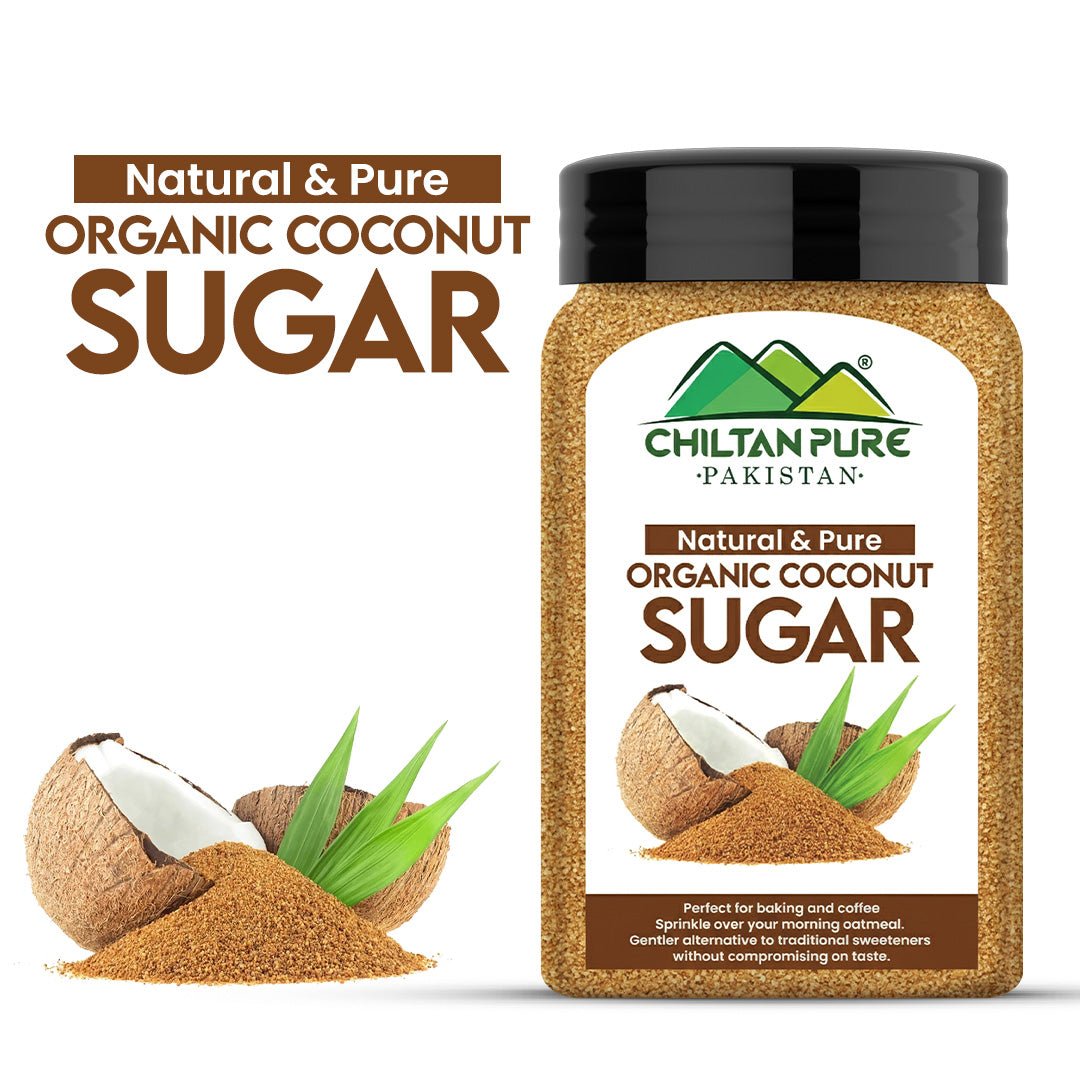
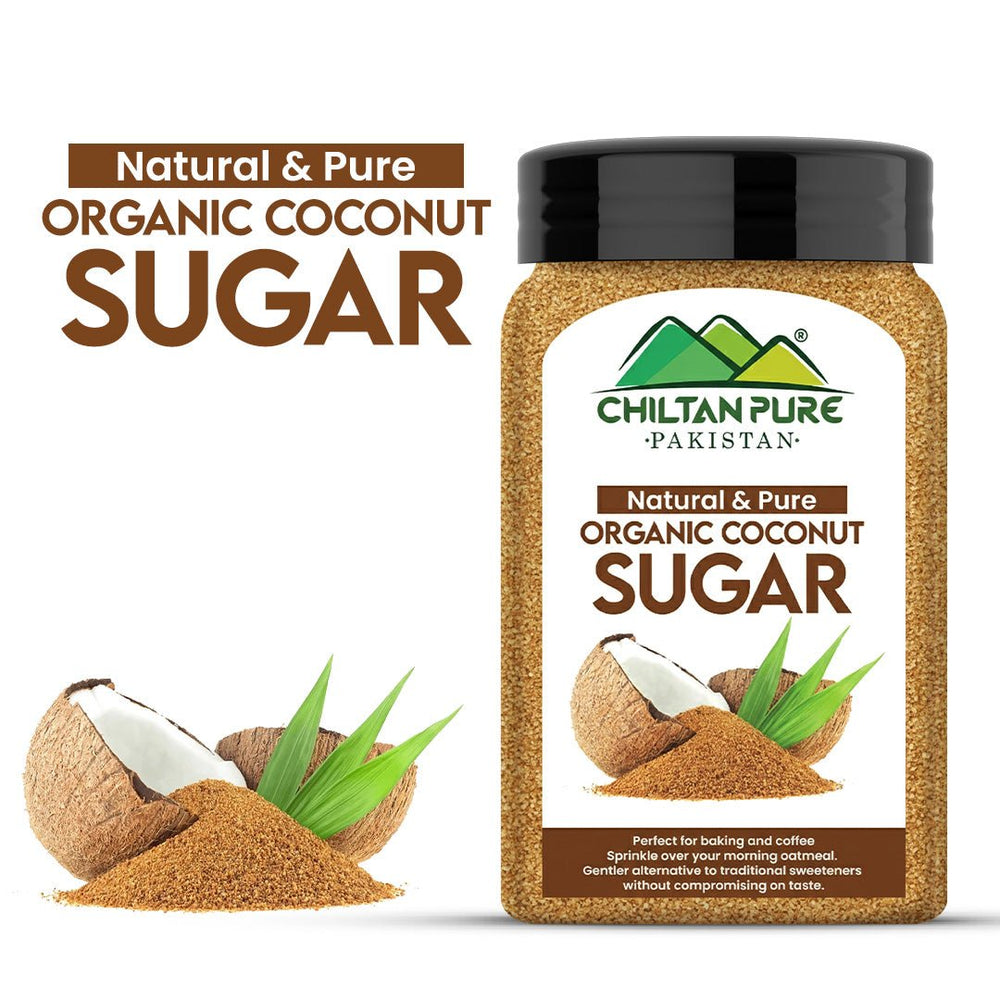
Organic Coconut Sugar is a natural sweetener derived from the sap of fresh coconut palm flowers. Carefully harvested and minimally processed, it retains its rich, caramel-like flavor and essential nutrients, making it a healthier alternative to refined white sugar. With a low glycemic index, it provides a slower release of energy, helping to maintain balanced blood sugar levels while adding natural sweetness to your dishes.
This versatile sugar can be used in a variety of recipes, from baking cakes, cookies, and desserts to sweetening beverages, sauces, and breakfast cereals. Its fine texture allows easy blending into both hot and cold preparations. Organic Coconut Sugar is free from artificial additives and preservatives, making it a wholesome, eco-friendly, and sustainable choice for health-conscious individuals. Perfect for daily use, it enhances flavor naturally while supporting a healthier lifestyle.
A dry, granular sugar with a coarse texture similar to raw or turbinado sugar. Its color ranges from a light golden brown to a deeper caramel hue.
Granulated and slightly coarse, with a texture akin to raw cane sugar. It dissolves well when heated or mixed into liquids.
A rich, warm, and complex sweetness with distinct notes of caramel and butterscotch. It is less cloyingly sweet than white sugar, with a subtle, toasty depth.
A sweet, inviting, and slightly caramel-like fragrance. It smells naturally rich and earthy.
Use as a 1:1 replacement for white or brown sugar in baking cakes, cookies, and muffins. Sweeten coffee, tea, smoothies, and oatmeal. Ideal for making sauces, glazes, and marinades. Sprinkle over breakfast cereals or fruit.
Store in a cool, dry place in an airtight container or keep it in its original sealed bag. Protect from moisture to prevent clumping. No refrigeration is needed. It has a long shelf life when stored properly.
While it is still a sugar and should be consumed in moderation, it is a less refined product with a lower glycemic index and contains trace minerals, making it a more nutritionally favorable *alternative* to highly processed white sugar.
Due to its lower GI, it may have a less dramatic impact on blood sugar than regular sugar. However, it is still a concentrated sweetener. Individuals with diabetes should consult their healthcare provider and monitor their blood sugar response carefully if they choose to use it.
As a natural, unrefined product, variations in color (from light to dark brown) and granule size can occur based on the coconut palm source, harvest time, and evaporation process. This is normal and indicates a lack of artificial processing.
Despite its name, it has a warm caramel-like flavor rather than a distinct coconut taste. The "coconut" refers to the palm tree species it comes from, not the flavor.
Yes, pure coconut sugar is naturally vegan and gluten-free, making it suitable for many dietary preferences and restrictions.
|
A Natural, Less Processed Sweetener
Made through a simple, two-step process of collecting sap and evaporating the water, it is one of the most sustainable and unrefined sweeteners available, maintaining more of its natural origin. |
|
Has a Lower Glycemic Index (GI) than Regular Sugar
With a GI of about 35-54 compared to table sugar's 60-65, it causes a slower, more gradual rise in blood sugar levels, making it a better choice for energy maintenance. |
|
Contains Trace Minerals
Unlike empty-calorie white sugar, it retains small amounts of beneficial minerals found in the coconut palm sap, including potassium, magnesium, iron, and zinc. |
Versatile and Easy to Use in Recipes
Its ability to substitute directly for other sugars in a wide variety of recipes makes switching to a more natural sweetener simple and convenient, without the need for complex conversions. |
|
Certified Organic and Sustainably Sourced
The organic certification ensures no synthetic pesticides or fertilizers are used, and the harvesting method supports the health of the coconut palms and local farming communities. |
|
In Baking
It can be used as a direct, cup-for-cup substitute for white or brown sugar in most recipes. Note that it may impart a light caramel color and flavor to baked goods. |
|
For Beverages
For Beverages
Stir into hot or cold drinks like coffee, chai, or lemonade. It dissolves slightly slower than white sugar, so stirring thoroughly is recommended. |
|
In Cooking
Use to create glazes for meats, sweeten stir-fry sauces, or in homemade granola. |
Thanks for subscribing!
This email has been registered!