


![Red Onion Oil 🧅 Reduces Hair Fall & Accelerates Hair Regrowth [پیاز کا تیل].. Trending.... 🔥 - ChiltanPure](http://chiltanpure.com/cdn/shop/products/red-onion-oil-reduces-hair-fall-amp-accelerates-hair-regrowth-piaz-ka-til-trending-394813_640x.jpg?v=1707464619)
![Red Onion Oil 🧅 Reduces Hair Fall & Accelerates Hair Regrowth [پیاز کا تیل].. Trending.... 🔥 - ChiltanPure](http://chiltanpure.com/cdn/shop/products/red-onion-oil-reduces-hair-fall-amp-accelerates-hair-regrowth-piaz-ka-til-trending-329640_1170x.jpg?v=1708127491)




- Choosing a selection results in a full page refresh.
DOWNLOAD our App & Get Amazing Discount
Download Now
|
Pay in 3 Installments of
Rs. 266Need More Discount ~ Chat with Sales Person! BARGAIN NOW
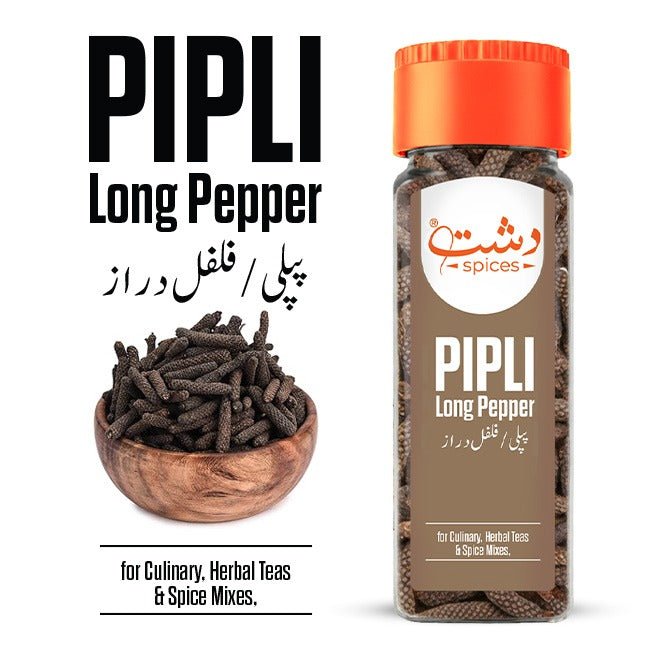
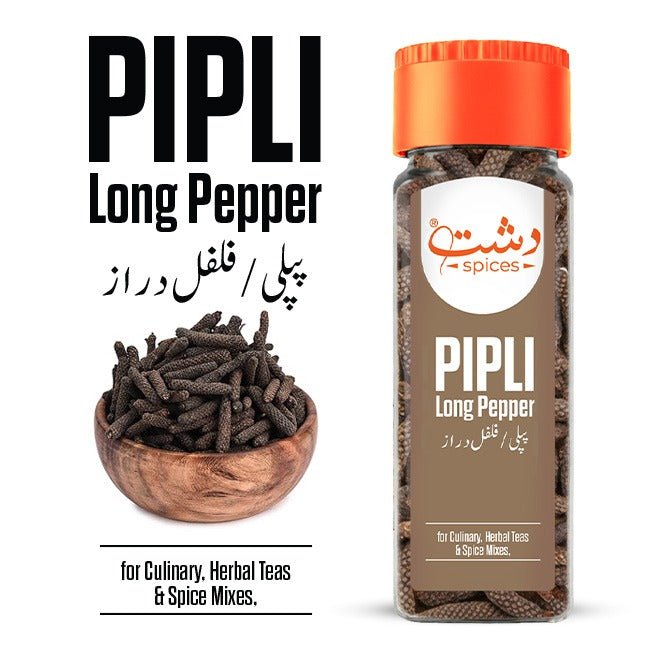
Rich in natural compounds such as piperine, Pipli helps improve digestion, enhances nutrient absorption, and supports a healthy metabolism. It is widely used to relieve cough, cold, congestion, and to strengthen the respiratory system. Its warming properties make it ideal for boosting immunity and improving circulation, especially during seasonal changes.
In culinary use, Pipli is added to spice blends, herbal tonics, soups, pickles, and traditional dishes to enhance taste and aroma. Known for its purity and high potency, this herb is carefully dried and processed under hygienic conditions to preserve its natural flavor and medicinal qualities.
Whether used for health support or culinary enhancement, Pipli (Long Pepper) is a valuable and versatile ingredient that brings both wellness and flavor to daily life.
Small, cylindrical spikes (catkins) about 1-2 cm long, with a greyish-brown to black color and a slightly wrinkled surface.
Hard and dry to the touch, but can be easily crushed or ground. The spikes are firm but brittle.
Warm, pungent, and slightly sweet, with a lingering heat that is sharper and more complex than black pepper.
A strong, earthy, and spicy fragrance with hints of eucalyptus and a warming, invigorating quality.
Can be used in Ayurvedic decoctions, teas, and remedies. Also added to soups, stews, and spice blends for flavor and warmth.
Store in an airtight container in a cool, dry place, away from direct sunlight. Keep moisture-free to maintain freshness.
It is traditionally used in Ayurveda to support digestion, respiratory health, and immunity. It is also added to foods and remedies for its warming properties.
Pipli has a more complex, slightly sweet, and sharper taste. It is also considered warmer and more potent in Ayurvedic practice.
Yes, in moderate amounts. A common dose is a small pinch of powder or 1-2 spikes in decoction. Consult an Ayurvedic practitioner for long-term use.
No, it is not recommended during pregnancy or lactation without medical supervision.
Yes, it adds a unique warmth to soups, stews, and spice blends. Use sparingly as its flavor is strong.
Keep it in a sealed bag or container in a dry, cool place to protect its aroma and potency.
|
Supports Healthy Digestion
Pipli Long Pepper helps stimulate digestive enzymes, improve nutrient absorption, and relieve issues like bloating, gas, and sluggish digestion. |
|
Boosts Respiratory Wellness
Traditionally used to support respiratory health, Pipli helps clear congestion, soothe the throat, and promote easy breathing. It is often included in herbal formulations for seasonal respiratory comfort. |
|
Enhances Immunity & Vitality
A key ingredient in rejuvenating Ayurvedic tonics, Pipli is believed to strengthen the immune system, increase energy, and support the body’s natural resistance to everyday stressors. |
Promotes Joint & Muscle Comfort
With its warming and penetrating properties, Pipli is traditionally used to support joint flexibility and ease muscle stiffness, especially when combined with other complementary herbs. |
|
Acts as a Bioavailability Enhancer
In Ayurveda, Pipli is valued for its ability to increase the absorption and effectiveness of other herbs and nutrients, making it a common component in herbal formulations. |
|
As a Decoction (Kadha)
Crush 2-3 spikes and boil in 1 cup of water for 5-7 minutes. Strain and drink warm, optionally with honey. |
|
In Powder Form
Grind the dried spikes into a fine powder. Use 1/4 teaspoon in warm water, milk, or tea. |
|
For Cooking
Add whole or crushed Pipli to soups, broths, and curries for a warming, aromatic flavor. |
With Honey or Ghee
Grind pipli to a fine powder. Mix a small amount of Pipli powder with honey or ghee for a traditional Ayurvedic tonic. |
Thanks for subscribing!
This email has been registered!