![Red Onion Oil 🧅 Reduces Hair Fall & Accelerates Hair Regrowth [پیاز کا تیل].. Trending.... 🔥 - ChiltanPure](http://chiltanpure.com/cdn/shop/products/red-onion-oil-reduces-hair-fall-amp-accelerates-hair-regrowth-piaz-ka-til-trending-394813_640x.jpg?v=1707464619)
![Red Onion Oil 🧅 Reduces Hair Fall & Accelerates Hair Regrowth [پیاز کا تیل].. Trending.... 🔥 - ChiltanPure](http://chiltanpure.com/cdn/shop/products/red-onion-oil-reduces-hair-fall-amp-accelerates-hair-regrowth-piaz-ka-til-trending-329640_1170x.jpg?v=1708127491)





10 Proven Weight Gain Tips: How to Gain Weight Safely and Build a Healthy Body

To gain weight safely, eat roughly 300 to 500 calories more than your body burns each day, build your meals around protein, healthy fats and complex carbohydrates, and add resistance training 3 to 4 times a week so the weight you gain is mostly muscle and not just fat. Aim for 0.25 to 0.5 kg per week, sleep 7 to 9 hours, and speak to a doctor if you cannot gain weight despite eating well.
Key Takeaways
- A steady calorie surplus is the single most important factor in gaining weight.
- Eat 3 meals and 2 to 3 snacks daily so you do not rely on huge portions.
- Calorie-dense whole foods such as desi ghee, nuts, dates, seeds, nut butters and full-fat dairy make eating easier.
- Strength training helps direct extra calories toward muscle rather than only fat.
- Protein, sleep and stress control matter as much as the number of calories.
- Slow, consistent gain of 0.25 to 0.5 kg per week is healthier and easier to maintain than rapid gain.
- Unexplained difficulty gaining weight can point to a medical issue, so get checked.
Why Is It So Hard for Some People to Gain Weight?
If you eat what feels like a lot and the scale still refuses to move, you are not alone. Being underweight affects millions of people, and the reasons are usually a mix of the following.
- Fast Metabolism: Some people naturally burn more calories at rest than others of the same size.
- Small Appetite: Feeling full after a few bites makes it tough to reach a calorie surplus.
- High Activity Levels: Athletes, active workers and people on their feet all day burn far more than they realise.
- Skipped Meals: Missing breakfast or eating only one large meal often leaves the day's total calories too low.
- Stress and Anxiety: Stress hormones can suppress appetite and speed up how the body uses energy.
- Genetics: Body frame, muscle mass potential and fat distribution are partly inherited.
- Medical Conditions: An overactive thyroid, diabetes, coeliac disease, digestive disorders, chronic infections and some medications can all cause weight loss or poor weight gain.
The World Health Organization classifies adults with a Body Mass Index (BMI) below 18.5 as underweight. You can work out your BMI by dividing your weight in kilograms by your height in metres squared. If your result is under 18.5, or you have lost weight without trying, the tips below can help, but a quick check-up with your doctor is a smart first step.

How Many Calories Do You Need to Gain Weight?
Your body needs a certain number of calories per day just to maintain its current weight. This is called maintenance intake. To gain weight, you need to eat above that number.
As a practical guide, roughly 7,700 calories equal 1 kg of body weight. That means a daily surplus of about 500 calories adds up to around 0.45 kg (a little under 1 pound) per week. Most people do well with a surplus between 300 and 500 calories a day.
A Simple Way to Start:
- Estimate your maintenance calories using a reliable online calculator.
- Add 300 to 500 calories to that figure.
- Track your weight weekly, in the morning, under the same conditions.
- If your weight has not moved after two weeks, add another 100 to 200 calories.
You do not need to count every calorie forever. Tracking for two to three weeks is usually enough to teach you what a surplus actually looks like on your plate.

The 10 Best Weight Gain Tips
1. Create a Consistent Calorie Surplus
No supplement, secret food or special trick can replace a calorie surplus. If you eat the same amount you burn, your weight stays the same. The goal is to eat a little more than your body needs, every single day, not just on weekends.
How to Do It:
- Add one extra serving of a calorie-dense food to each main meal.
- Use full-fat dairy instead of low-fat versions.
- Cook with healthy fats such as desi ghee, olive oil or mustard oil instead of eating dry, low-calorie meals.
- Avoid the temptation to jump to 1,000 extra calories. A smaller, steady surplus is easier on digestion and leads to better quality weight gain.
Pro Tip: A teaspoon or two of pure desi ghee on daal, roti, rice or khichdi adds around 40 to 80 extra calories with almost no extra volume. Over three meals, that is a meaningful boost. ChiltanPure offers Desi Ghee that fits naturally into traditional Pakistani cooking.

2. Eat More Often With 5 to 6 Smaller Meals
If big plates make you feel full too quickly, spread your food across the day. Eating every 3 to 4 hours keeps a steady flow of energy and nutrients coming in and helps people with small appetites reach their targets without discomfort.
A Simple Daily Rhythm:
- Breakfast
- Mid-morning snack
- Lunch
- Evening snack
- Dinner
- Light bedtime snack (milk, nuts or a banana)
Set phone reminders at first. Many people who struggle to gain weight simply forget to eat, and reminders solve this surprisingly well.
Easy Snacks That Need No Cooking: Keep a jar of ChiltanPure Mix Seeds at your desk for a quick handful between meals, or spread nut butter on bread or banana slices for a snack that takes less than a minute.

3. Make Protein a Priority at Every Meal
Protein supplies the building blocks your body uses to create and repair muscle. Research reviewed in a widely cited 2018 meta-analysis in the British Journal of Sports Medicine found that muscle-building benefits from protein tend to plateau at around 1.6 grams per kilogram of body weight per day for people doing resistance training. A common target for people building muscle is roughly 1.6 to 2.0 grams per kilogram.
Good Protein Sources in a Pakistani Kitchen:
- Eggs (whole eggs, not only the whites)
- Chicken, beef, mutton and fish
- Milk, yoghurt (dahi), paneer and cheese
- Daal, chana, rajma and lobia
- Nuts and seeds
- Soy products and sprouted legumes
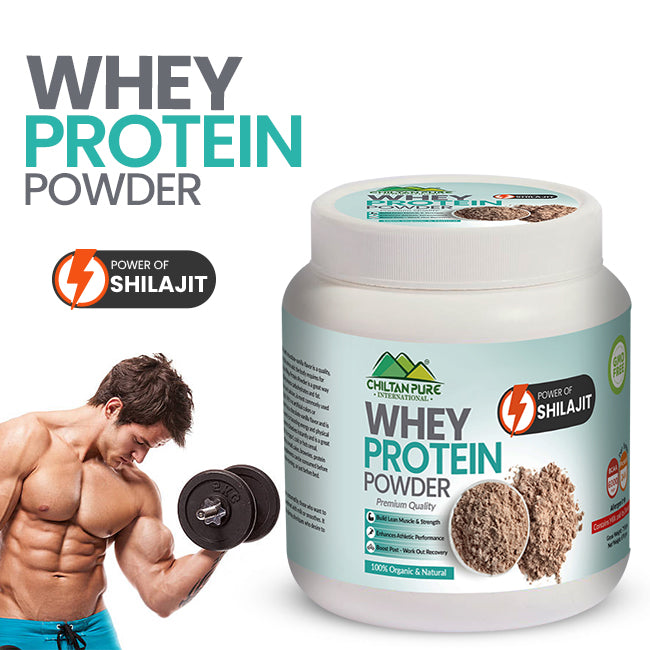
- Whey protein powder, a convenient option when food alone is not enough
Example: A person weighing 55 kg aiming for 1.6 g/kg needs around 88 grams of protein daily. Three eggs (about 18 g), a glass of milk (8 g), a bowl of daal (12 g), a chicken portion (30 g) and a handful of nuts (6 g) add up to about 74 grams, and an extra egg and a bowl of yoghurt close the gap.
If you struggle to reach your protein target from food alone, a whey protein powder can help. One scoop usually provides around 20 to 25 grams of protein and mixes easily into milk, smoothies or oats.
For extra plant protein, minerals and healthy fats, try adding ChiltanPure Pumpkin Seeds, a source of magnesium, zinc and plant protein, to your yoghurt, oats, salads or smoothies.

4. Choose Calorie-Dense, Nutrient-Rich Foods
The easiest way to eat more without feeling stuffed is to pick foods that pack more calories into a smaller volume. The key word is nutrient-rich. Whole foods deliver vitamins, minerals and fibre along with calories, while heavily processed junk food only delivers empty energy.
Best Calorie-Dense Whole Foods:
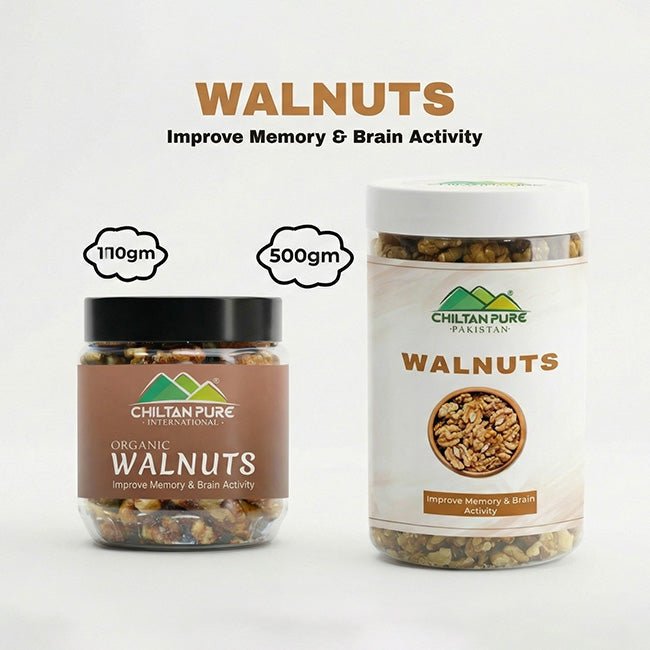
- Nuts: Almonds, walnuts, cashews, pistachios and peanuts. A small handful can add 160 to 200 calories.
- Dates (Khajoor): Naturally sweet, rich in energy and easy to eat on the go.
- Nut Butters: Two tablespoons of peanut butter provide close to 190 calories. Spread on roti, toast or banana. ChiltanPure's Almond Butter is an easy option to try.
- Full-Fat Dairy: Whole milk, malai, cream, cheese and full-fat yoghurt.
- Healthy Oils and Fats: Desi ghee, olive oil, avocado and coconut.
- Starchy Carbohydrates: Rice, potatoes, oats, whole wheat and sweet potatoes.
- Dried Fruits: Raisins, figs, apricots and prunes.

5. Drink Your Calories
Liquids are easier to get down than solid food and do not fill you up as much, which makes them ideal for people with small appetites. Drinking calories between meals, not during them, helps you avoid feeling too full to finish your plate.
Easy High-Calorie Drinks:
- Banana and Date Milkshake: Whole milk, 1 banana, 2 to 3 dates and a spoon of peanut butter can easily reach 500 calories.
- Badam Doodh: Warm milk blended with almonds, a little honey and a pinch of cardamom.
- Lassi: Sweet or salted, made from full-fat yoghurt.
- Mango or Chikoo Smoothie: With whole milk and a spoon of nut butter.
- Oats Smoothie: Rolled oats, milk, banana and seeds.
Quick Recipe: Desi Power Shake (About 600 Calories)
- 1 glass whole milk
- 1 ripe banana
- 3 soaked dates, pitted
- 1 tablespoon peanut or almond butter
- 1 teaspoon Sidr Beri Honey
- 1 tablespoon mixed seeds
- 1 scoop whey protein powder (optional, adds about 20 to 25 g of protein and 100 to 120 calories)
Blend until smooth and enjoy between meals or after a workout.

6. Start Strength Training
Eating more without exercising can lead to weight gain that sits mostly as fat. Resistance training tells your body to direct extra calories and protein toward building muscle, which gives you a stronger, healthier and more balanced shape.
A Beginner-Friendly Plan:
- Train 3 to 4 days per week.
- Focus on compound exercises that work several muscle groups at once: squats, deadlifts, push-ups, rows, overhead presses and lunges.
- Do 3 sets of 8 to 12 repetitions per exercise.
- Rest 60 to 90 seconds between sets.
- Gradually add weight or repetitions each week. This is called progressive overload and is the main driver of muscle growth.
- Limit long cardio sessions. Light walking is fine, but excessive cardio can burn the calories you are trying to store.
If you are new to exercise, work with a qualified trainer for the first few weeks to learn proper form and avoid injury.
What to Eat Around Your Workout: Have a banana with a teaspoon of honey about 30 to 60 minutes before training for easy energy. Afterwards, enjoy a glass of milk (add a scoop of whey protein powder if you use one) with a handful of seeds, or blend a small spoon of Moringa Powder into your post-workout smoothie for extra nutrients.

7. Add Healthy Fats to Every Meal
Fat contains 9 calories per gram, more than double the 4 calories per gram found in protein and carbohydrates. That makes healthy fats one of the most efficient ways to raise your calorie intake without increasing food volume.
Easy Ways to Add Healthy Fats:
- Drizzle olive oil over salads, boiled eggs or grilled vegetables.
- Stir a spoon of desi ghee into hot daal, khichdi or rice.
- Sprinkle crushed nuts or seeds over oats, yoghurt and fruit.
- Spread nut butter on bread, paratha or fruit slices.
- Add avocado to sandwiches, smoothies or salads.
- Choose fatty fish such as salmon, sardines or local river fish a couple of times per week for omega-3 fatty acids.
Traditional foods like Panjiri, a classic blend of whole wheat, ghee, nuts and seeds, have been used in South Asian homes for generations as an energy-rich, nourishing food. A small serving in the morning or evening is a delicious way to add calories and nutrients.

8. Upgrade Your Carbohydrates
Complex carbohydrates refill your energy stores, fuel your workouts and spare protein so it can be used for muscle repair. Choosing whole grains over refined ones also gives you fibre, B vitamins and minerals.
Smart Carbohydrate Choices:
- Whole wheat roti, multigrain roti and brown rice
- Oats, porridge and daliya
- Sweet potatoes and potatoes
- Bananas, mangoes and other energy-rich fruits
- Legumes such as chana, rajma and lobia
A nutritious multigrain flour can make your daily roti work harder for you. ChiltanPure's Multi Grain Atta, made with 14 natural ingredients, is an easy swap that adds variety, fibre and nutrients to a staple you already eat every day.

9. Sleep 7 to 9 Hours and Manage Stress
Weight gain does not happen only in the kitchen and the gym. Muscle repair and growth happen mostly while you sleep, and poor sleep can disrupt hunger hormones, lower your energy for training and make it harder to stay consistent.
Sleep and Stress Habits That Help:
- Aim for 7 to 9 hours of sleep and go to bed at the same time each night.
- Keep screens away from your bed for at least 30 minutes before sleeping.
- Eat a small snack before bed, such as warm milk with a teaspoon of Choco Bee Chocolate Honey and a few almonds.
- Practise stress relief through walking, prayer, meditation, deep breathing or time with family and friends.
- Avoid skipping meals when you are busy or anxious. Keep portable snacks like dates, nuts and seeds in your bag or desk drawer.
High, long-lasting stress can suppress appetite and increase calorie burn, which works directly against your weight gain goals.

10. Track Your Progress and Stay Patient
Healthy weight gain takes time, and it is rarely a straight line. Daily weight can swing by 1 to 2 kg because of water, salt, food in your system and hormones. What matters is the trend over weeks.
How to Track Properly:
- Weigh yourself once a week, in the morning, after using the toilet and before eating.
- Take body measurements (chest, arms, waist, thighs) once a month.
- Take progress photos every 2 to 4 weeks.
- Record how your strength changes in the gym. Lifting heavier weights is a strong sign that you are building muscle.
- If there is no change after two weeks, increase your daily calories slightly. If you are gaining faster than 0.5 kg per week, reduce them a little to limit excess fat gain.
Easy Ways to Nudge Your Calories Up: If the scale has stalled, add 100 to 200 calories without changing your whole routine. One extra tablespoon of ghee on your meals or a spoon of Chutter Butter Chutney, a nutty, sweet and spicy spread, on your roti or sandwich is usually enough.
Remember: Consistency over months, not perfection over days, is what produces lasting results.

Sample One-Day Desi Weight Gain Meal Plan
This plan provides roughly 3,000 calories and is a flexible example, not a fixed prescription. Reduce or increase portions to match your own needs, preferences and any medical or dietary restrictions.
| Meal | What to Eat | Approx. Calories |
|---|---|---|
| Breakfast | 2 whole eggs cooked in desi ghee, 2 multigrain parathas, 1 glass whole milk | 600 |
| Mid-morning snack | Small handful of mixed nuts and 3 dates | 350 |
| Lunch | 1.5 cups rice, 1 bowl chicken or daal curry with ghee, salad and a bowl of yoghurt | 700 |
| Evening snack | Desi Power Shake | 600 |
| Dinner | 2 rotis with ghee, beef or fish curry, sautéed vegetables | 500 |
| Bedtime snack | Warm milk with a spoon of honey and a few almonds | 250 |
Calorie-Dense Foods at a Glance
| Food | Typical Serving | Approx. Calories |
|---|---|---|
| Desi ghee | 1 tablespoon | 120 |
| Almonds | 1 small handful (28 g) | 165 |
| Peanut butter | 2 tablespoons | 190 |
| Pumpkin seeds | 1 small handful (28 g) | 150 |
| Medjool date | 1 date | 65 |
| Honey | 1 tablespoon | 65 |
| Whole milk | 1 glass (240 ml) | 150 |
| Whole egg | 1 large | 70 |
| Banana | 1 medium | 105 |
| Cooked rice | 1 cup | 200 |
Calorie values are approximate and vary by brand, size and preparation method.
Common Weight Gain Mistakes to Avoid
- Relying on Junk Food. Burgers, fried snacks and sugary drinks add calories but lack the nutrients needed for muscle, energy and long-term health.
- Eating Too Much Too Fast. A sudden jump in calories can cause bloating, indigestion and low motivation. Increase gradually.
- Skipping Strength Training. Without it, most of the weight you gain is likely to be fat.
- Drinking Water or Tea Right Before Meals. Large amounts of liquid can fill you up. Sip between meals instead.
- Ignoring Protein. Calories alone will not build muscle.
- Not Sleeping Enough. Poor sleep slows recovery and weakens progress.
- Giving Up Too Soon. Real changes show up over 8 to 12 weeks, not 8 to 12 days.
- Using Unregulated "Weight Gainer" Products or Steroids. These can harm your liver, hormones and heart. Always choose safe, natural foods and speak to a professional before taking any supplement.

How Long Does It Take to Gain Weight?
At a healthy rate of 0.25 to 0.5 kg per week, most people see:
- 2 to 4 Weeks: Better appetite, more energy and early changes on the scale.
- 8 to 12 Weeks: Noticeable changes in clothing fit, strength and muscle shape. Gains of 2 to 5 kg are realistic.
- 6 Months and Beyond: Significant, sustainable improvements in body composition when diet, training and sleep stay consistent.
Individual results depend on age, genetics, training experience, sleep and how consistently you follow your plan.
When Should You See a Doctor?
Healthy weight gain through food and exercise works for most people. However, you should book an appointment with a doctor or registered dietitian if:
- You have lost weight without trying.
- You are eating well but still not gaining after 6 to 8 weeks.
- You have ongoing diarrhoea, stomach pain, constant fatigue or loss of appetite.
- You notice a racing heart, excessive sweating, tremors or heat intolerance, which can suggest thyroid problems.
- You have a history of diabetes, digestive disease, an eating disorder or chronic illness.
- Your BMI is below 18.5.
A professional can run the right tests, rule out medical causes and create a plan that fits your health history.

Conclusion
Gaining weight in a healthy way is not about forcing down junk food or following extreme plans. It is about eating a little more than your body needs, choosing nourishing foods, training your muscles, sleeping well and staying patient. Start with two or three tips from this guide, such as adding ghee to your meals, snacking on nuts and dates, and drinking one power shake a day, then build from there.
At ChiltanPure, we believe good health begins in the kitchen, and small daily habits are what lead to lasting change.
Frequently Asked Questions
How Can I Gain Weight Fast and Safely?
Eat 300 to 500 more calories than you burn, include protein in every meal, add calorie-dense foods like nuts, dates, ghee and nut butters, drink high-calorie smoothies and lift weights 3 to 4 times a week. Aim for 0.25 to 0.5 kg per week. Gaining much faster usually means gaining more fat than muscle.
What Are the Best Foods to Gain Weight?
The best foods combine calories with nutrients: eggs, full-fat dairy, nuts, seeds, dates, nut butters, desi ghee, olive oil, rice, oats, potatoes, bananas, legumes, chicken, beef and fatty fish. Pair them with strength training for the best results.
How Can I Gain Weight in One Week?
Real, healthy fat and muscle gain takes longer than a week. You may see a small scale increase of 0.5 to 1 kg in a week from extra food, carbohydrates and water, but lasting results need consistent habits over several weeks and months.
How Can I Gain Weight Without Gaining Belly Fat?
Combine a modest calorie surplus with resistance training and high protein intake. Choose whole foods over processed foods, limit sugary drinks and sweets, and avoid excessively large surpluses. Where your body stores fat is partly genetic, but training and a moderate surplus help direct calories toward muscle.
Is Desi Ghee Good for Weight Gain?
Yes, in sensible amounts. Pure desi ghee is a concentrated source of calories and fat-soluble vitamins such as A, D, E and K. About 1 tablespoon provides roughly 120 calories. Add it to food gradually, and if you have high cholesterol or heart disease, check with your doctor about the right amount for you.
Do Dates Help You Gain Weight?
Dates are energy-dense, naturally sweet and packed with fibre, potassium and antioxidants. Eating 3 to 5 dates as a snack, or blending them into smoothies and milkshakes, is an easy way to add 200 to 350 healthy calories.
Does Milk Help With Weight Gain?
Whole milk provides protein, fat, carbohydrates, calcium and vitamin D. One glass offers about 150 calories and 8 grams of protein. It is a convenient and affordable addition to a weight gain diet, unless you are lactose intolerant, in which case lactose-free milk or other options may suit you better.
How Many Meals Should I Eat a Day to Gain Weight?
Most people do well with 3 main meals and 2 to 3 snacks. Eating every 3 to 4 hours makes it easier to reach a calorie surplus, especially if you have a small appetite.
Can I Gain Weight Without Going to the Gym?
Yes, you can gain weight by eating in a surplus, but without resistance training much of that gain will be fat. Even bodyweight exercises at home, such as push-ups, squats and lunges, can help direct calories toward muscle.
Is Whey Protein Good for Weight Gain?
Yes, whey protein can help when it is combined with a calorie surplus and strength training. It is a convenient source of high-quality protein, usually 20 to 25 grams per scoop, but it does not cause weight gain on its own. For extra calories, blend it with whole milk, a banana and a spoon of nut butter. If you are lactose intolerant or have a milk allergy, speak to your doctor first, as whey isolate or a plant-based protein may suit you better.
Are Weight Gain Supplements Safe?
Some supplements, such as whey protein powder or creatine, are widely studied and generally considered safe for healthy adults when used correctly. However, always speak to a doctor or dietitian first, avoid products with unclear ingredients, and remember that supplements work best on top of a strong food-first plan.
Disclaimer: This article is for general educational purposes only and is not a substitute for professional medical advice. Please consult a doctor or registered dietitian before making major changes to your diet or exercise routine.