


![Red Onion Oil 🧅 Reduces Hair Fall & Accelerates Hair Regrowth [پیاز کا تیل].. Trending.... 🔥 - ChiltanPure](http://chiltanpure.com/cdn/shop/products/red-onion-oil-reduces-hair-fall-amp-accelerates-hair-regrowth-piaz-ka-til-trending-394813_640x.jpg?v=1707464619)
![Red Onion Oil 🧅 Reduces Hair Fall & Accelerates Hair Regrowth [پیاز کا تیل].. Trending.... 🔥 - ChiltanPure](http://chiltanpure.com/cdn/shop/products/red-onion-oil-reduces-hair-fall-amp-accelerates-hair-regrowth-piaz-ka-til-trending-329640_1170x.jpg?v=1708127491)





Sleeping Problem: Causes, Natural Remedies and 15 Practical Tips for Deeper Sleep

A sleeping problem means regularly having trouble falling asleep, staying asleep, or waking up feeling rested. Most cases come from fixable daily habits such as late caffeine, screen time at night, irregular sleep timings, stress, a hot or noisy bedroom, and heavy late meals. Adults generally need 7 or more hours of sleep per night. A fixed sleep schedule, a calm wind down routine, a cool, dark room, and smart food and drink choices in the evening are the most effective first steps. If the problem lasts more than 3 months or affects your daily life, see a doctor.
Key Takeaways
- Poor sleep is rarely random. It usually has a clear trigger you can identify and fix.
- Consistency matters more than perfection. Going to bed and waking up at the same time is the strongest habit you can build.
- Your evening routine, your bedroom environment and what you eat and drink after 4 PM all shape your night.
- Natural sleep support products can support a relaxing routine, but they work best alongside good habits, not instead of them.
- Chronic insomnia is a medical condition. Persistent symptoms deserve professional care.
What Is a Sleeping Problem?
A sleeping problem is any pattern that stops you from getting enough good quality sleep regularly. It can mean lying awake for a long time before you doze off, waking up several times during the night, waking far too early, or sleeping for enough hours but still feeling tired the next day.
Everyone has a bad night now and then. It becomes a sleeping problem when it happens often and starts to affect your mood, focus, energy, appetite or health. Sleep is not a luxury. During sleep, your body repairs tissue, your brain organizes memories, your hormones reset, and your immune system recharges. When this process is cut short, you feel it everywhere.

Common Types of Sleep Problems
Understanding which type you have makes it easier to find the right solution.
Insomnia: Difficulty falling asleep, staying asleep, or waking too early, even when you have the chance to sleep. When it happens at least three nights a week for three months or longer, it is considered chronic insomnia.
Delayed Sleep Pattern: Your natural body clock pushes you to sleep very late, such as 3 or 4 AM, and wake up very late. This is common in students, night shift workers and people who use phones late into the night.
Sleep Apnea: Breathing repeatedly pauses during sleep. Loud snoring, gasping, morning headaches and extreme daytime sleepiness are common signs. This needs medical evaluation.
Restless Legs: An uncomfortable urge to move your legs in the evening or at night, which makes it hard to settle.
Stress Related Sleeplessness: Your body is tired, but your mind will not switch off. Racing thoughts, worry and overthinking keep you awake.

Why You Cannot Sleep: The Most Common Causes
1. Stress and an Overactive Mind
When you are stressed, your body releases cortisol, a hormone that keeps you alert. If your mind replays work, money, family, or study worries at bedtime, your body stays in a state of readiness instead of rest.
2. Irregular Sleep Schedule
Your body runs on an internal clock called the circadian rhythm. Sleeping at 11 PM on some days and 4 AM on others confuses this clock, which makes it harder to feel sleepy at the right time.
3. Caffeine at the Wrong Time
Caffeine can stay in your system for many hours. Research shows it can reduce sleep quality even when consumed several hours before bed. Evening chai, coffee, cola and energy drinks are common hidden causes in Pakistan.
4. Screens and Bright Light at Night
Phones, tablets and televisions emit bright light that signals your brain it is still daytime. On top of that, scrolling social media or watching exciting videos keeps your mind active when it should be slowing down.
5. Heavy or Late Dinners
Eating a large, spicy or oily meal close to bedtime can cause acidity, bloating and discomfort that make it hard to lie down and relax.
6. A Bedroom That Works Against You
A room that is too hot, too bright, too noisy or has an uncomfortable mattress or pillow disrupts sleep. Hot summer nights and power cuts make this especially challenging in many parts of Pakistan.
7. Lack of Daytime Light and Movement
If you spend most of the day indoors under artificial light and barely move, your body has fewer signals to build sleep pressure by night.
8. Napping Too Long or Too Late
A short nap can help. A long nap late in the afternoon can steal sleepiness from your night.
9. Medical and Mental Health Conditions
Anxiety, depression, chronic pain, acid reflux, thyroid issues, hormonal changes, and some medicines can affect sleep. If you suspect one of these, speak to your doctor.
10. Nutritional Gaps
Low intake of nutrients involved in relaxation and nervous system function, such as magnesium, may contribute to restless sleep in some people. Always confirm with a healthcare professional before making major changes or taking supplements.

Quick Reference: Common Sleep Problems and What Helps
| Common Problem | Likely Cause | What You Can Try |
|---|---|---|
| Cannot fall asleep | Stress, late caffeine, screens at night | Caffeine curfew, screens off 60 minutes before bed, slow breathing, a warm herbal drink |
| Waking up at night | Heat, noise, late heavy dinner, alcohol | Cool and dark room, lighter dinner 2 to 3 hours before bed, avoid alcohol |
| Waking too early | Stress, anxiety, irregular schedule | Fixed wake time, morning sunlight, write worries down before bed |
| Sleeping late and waking late | Irregular body clock, late night phone use | Consistent wake up time, morning light, phone away from bed |
| Tired despite enough hours | Poor sleep quality, possible sleep apnea | Improve sleep environment, see a doctor if you snore loudly or gasp |
| Racing thoughts at bedtime | Overactive mind, daily pressure | Notebook beside bed, progressive muscle relaxation, calming evening routine |
| Restless or tense body | Physical tension, no wind down time | Warm bath, gentle stretching, calming scents, evening massage |
Signs Your Sleep Is Not Healthy
- You take more than 30 minutes to fall asleep most nights
- You wake up several times and struggle to go back to sleep
- You wake up very early and cannot fall back asleep
- You feel tired, foggy or irritable during the day
- You depend on multiple cups of tea or coffee to function
- You fall asleep unexpectedly during the day
- Your concentration, memory or mood has dropped
- Your partner notices loud snoring or pauses in your breathing
15 Practical Tips to Sleep Better Tonight
Tip 1: Fix Your Wake Up Time First
Choose a wake up time you can keep every day, including weekends. A steady wake time anchors your body clock more effectively than trying to force an early bedtime.
Tip 2: Get Morning Sunlight
Spend 10 to 20 minutes outside within an hour of waking up. Natural morning light tells your brain when the day begins, which helps it release sleepiness signals at the right time in the evening.
Tip 3: Set a Caffeine Curfew
Stop caffeine at least 8 hours before bed. If you sleep at 11 PM, finish your last cup of chai or coffee by 3 PM. Switch to caffeine free herbal options in the evening.
Tip 4: Make Your Bedroom Cool, Dark and Quiet
Aim for a comfortable, cool temperature. Use thick curtains or an eye mask, and consider earplugs or a fan for steady background sound. Keep the room for sleep, not for work.
Tip 5: Put Screens Away 60 Minutes Before Bed
Charge your phone across the room. If you must use a device, reduce brightness and avoid emotionally stimulating content such as news, work messages and arguments in comments.
Tip 6: Eat Dinner at Least 2 to 3 Hours Before Sleep
Choose a lighter dinner. Heavy, fried or very spicy meals close to bedtime can cause reflux and discomfort. If you feel hungry later, have a small, simple snack.
Tip 7: Move Your Body Every Day
Regular walking, stretching, yoga or exercise improves sleep quality for many people. Finish intense workouts at least a few hours before bed, since they can leave you energized.
Tip 8: Write Your Thoughts Down
If your mind races at night, keep a notebook beside your bed. Spend five minutes writing tomorrow's to do list and any worries. Getting them out of your head and onto paper makes it easier to let go.
Tip 9: Practice Slow Breathing
Try breathing in through your nose for 4 seconds, holding for 4 seconds, and breathing out slowly for 6 to 8 seconds. Repeat for 5 minutes. Slow, extended exhales help your body shift toward a calmer state.
Tip 10: Try Progressive Muscle Relaxation
Starting from your toes, tighten each muscle group for 5 seconds and then release. Move up through your legs, stomach, hands, shoulders and face. This reduces physical tension you may not notice.
Tip 11: Take a Warm Bath or Foot Soak
A warm bath one to two hours before bed can help your body temperature drop afterward, which is a natural sleep signal. Adding bath salts can make it a more relaxing ritual.
Tip 12: Use Calming Scents
Gentle aromas such as lavender are widely used in bedtime routines. A scented candle, a diffuser or a pillow mist can make your routine feel like a signal to your brain that it is time to wind down. Never leave a burning candle unattended.
Tip 13: Do Not Stare at the Clock
Watching the time increases anxiety. Turn the clock away. If you cannot sleep after about 20 minutes, get up, go to another dim room, do something quiet like reading a paper book, and return when you feel sleepy.
Tip 14: Limit Long Naps
Keep naps under 30 minutes and avoid them after mid afternoon so you have enough sleep pressure at night.
Tip 15: Be Careful With Sleeping Tablets
Sleeping pills should only be taken under medical guidance. For long term insomnia, a structured therapy called CBT-I (Cognitive Behavioural Therapy for Insomnia) is widely recommended as a first line treatment because it addresses the habits and thoughts that keep insomnia going.

A Simple 60 Minute Bedtime Routine
You do not need a perfect routine. You need a repeatable one. Here is a sample you can adapt.
60 Minutes Before Bed: Put your phone on charge away from your bed. Dim the lights in your home.
45 Minutes Before Bed: Take a warm shower or foot soak. Brush your teeth and prepare tomorrow's clothes.
30 Minutes Before Bed: Sip a warm, caffeine free herbal drink. Write a quick to do list for tomorrow.
15 Minutes Before Bed: Read a few pages of a calming book or do gentle stretching.
5 Minutes Before Bed: Lie down, breathe slowly, and let your muscles soften.
Repeat this routine nightly. Over time, your brain begins to link these steps with sleep, and falling asleep gets easier.

Foods and Drinks That Support Better Sleep
No single food will fix a sleeping problem, but a balanced diet supports healthy sleep patterns. These options are commonly included in evening routines.
Warm Milk or a Warm Herbal Drink: The warmth itself is calming, and many people find a warm drink a comforting signal that the day is ending.
Honey: A small spoon of natural honey in warm water or herbal tea is a traditional bedtime habit in many homes. Use it in moderation, and avoid giving honey to children under 12 months.
Pumpkin Seeds: They are a good source of magnesium, a mineral involved in muscle relaxation and nervous system function. A small handful as an evening snack is an easy way to add it.
Almonds and Other Nuts: Another source of magnesium and healthy fats. Keep the portion small at night.
Bananas and Oats: Light, easy to digest, and often used as a bedtime snack.
Dates: A naturally sweet option when you want something light instead of heavy desserts.
Caffeine Free Herbal Teas: Chamomile, mint and similar herbal blends make a soothing, screen free evening ritual.
Foods and Habits That Damage Sleep
- Caffeinated drinks after mid afternoon, including strong tea, coffee, cola and energy drinks
- Large, oily or very spicy dinners eaten late
- Excess sugar and sweets right before bed
- Alcohol, which may make you drowsy at first but fragments sleep later in the night
- Smoking and nicotine, which are stimulants
- Drinking too much water right before bed, which leads to night time trips to the bathroom
- Using your bed for work, scrolling or watching TV

Natural Sleep Support Products from ChiltanPure
At ChiltanPure, we believe better sleep starts with a calmer routine and cleaner, simpler choices. No product can replace healthy habits or medical care, but the right items can make your evening ritual something you look forward to. Here are the sleep and relaxation products available in our collection, grouped by how people use them.
Sleep Support Supplements and Drops
- Sleep Well Capsules: A natural blend in an easy to swallow capsule, made for a calming nighttime routine alongside good sleep habits. Check the supplement facts panel on the bottle for the exact ingredients and follow the label directions.
- Pure Valerian Drops: Valerian is a traditional herb widely used for relaxation and sleep. Research results are mixed, and the US National Institutes of Health describes the evidence as inconclusive, so it is best seen as a short term supportive option rather than a guaranteed fix. Avoid combining valerian with alcohol or sedative medicines.
- Valerian Root Powder: The same traditional herb in powder form for those who prefer to prepare it themselves. Follow the label and speak to a healthcare professional if you take any regular medication.
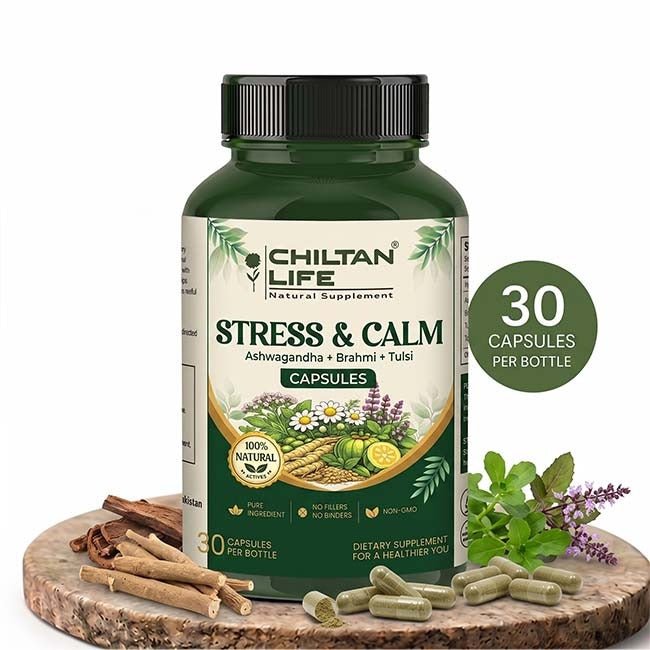
- Stress & Calm Tablets: A natural formula tablet made for everyday calm, which some people look for when a busy, stressed mind keeps them awake.
Ashwagandha for Stress Related Sleeplessness
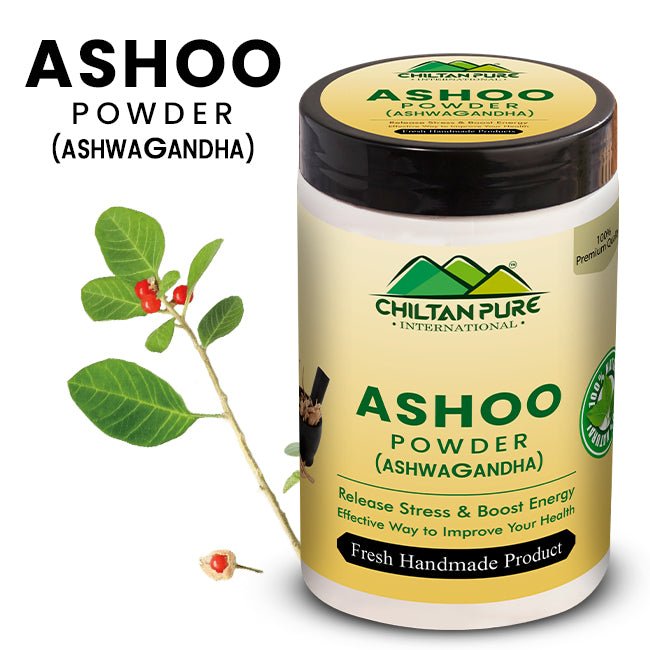
Ashwagandha is a traditional adaptogen herb often used to help the body manage daily stress, and some small studies suggest it may support sleep quality in stressed adults. ChiltanPure offers it in two forms.
- Ashwagandha Powder (Ashoo): Can be mixed into warm milk or a warm drink as part of an evening ritual.
- Ashwagandha Capsules: A convenient, measured option for daily use.
Pregnant or breastfeeding women, people with thyroid conditions, and anyone on regular medication should consult a doctor before using ashwagandha.
Calming Evening Teas
Swap your late night chai for a warm herbal cup. This single habit change helps many people unwind. Check each product label for ingredients.
- Sleep Tea: A soothing herbal blend with a gentle aroma, made for evening tea time.
- Chamomile Tea: A classic bedtime tea. ChiltanPure suggests drinking it about half an hour before bed.
- Lavender Tea: A floral, calming cup to end the day.
- Relax Tea: A blend of chamomile, mint and green tea, best enjoyed early in the evening because green tea contains a small amount of caffeine.
Browse all options in the Herbal Teas Collection.
Aromatherapy for the Bedroom
Calming scents help your brain link the bedroom with rest.
- Relaxant & Sleep Oil: A blend of essential oils made to be used in a diffuser as part of your wind down routine.
- Lavender Essential Oil: Lavender is one of the most popular scents for bedtime routines. Add a few drops to a diffuser, and always dilute before any skin use. Pregnant women should check with their doctor before using essential oils.
- Lavender Infused Oil: A gentler, carrier based oil that can be used for a calming evening massage on the neck, shoulders and feet.
- Lavender Collection: Explore more lavender based items in one place, including lavender infused honey.
Also explore our Essential Oils and Aromatic Candles. Never leave a burning candle unattended, and keep essential oils away from children and pets.
Bath and Bedroom Ambiance
- Rose Bath Salt: A warm bath with rose scented Epsom salt is a relaxing way to ease tired muscles one to two hours before bed. See more in the Bath Salts Collection.
- Himalayan Pink Salt Lamps: A soft, warm glow in the evening is gentler than harsh overhead lights and helps your room feel calmer.
Evening Snacks and Sweeteners
- Pumpkin Seeds (Kaddu Ke Beej): A small handful is an easy way to add magnesium, zinc and plant protein to your day.
- Mix Seeds Blend: Pumpkin, flax, sesame and sunflower seeds for a light snack or sprinkled over oats.
- Sidr Beri Honey: A spoon in warm herbal tea or warm water is a comforting bedtime tradition. Do not give honey to children under 12 months.
How to Combine These Products Into a Simple Routine
- Drink your last caffeine at least 8 hours before bed.
- About 90 minutes before sleep, take a warm bath with bath salts.
- Dim the lights, or switch on a salt lamp, and put your phone away.
- Sip a warm cup of Sleep Tea, Chamomile Tea or Lavender Tea.
- Diffuse a few drops of Relaxant & Sleep Oil or Lavender Oil in the bedroom.
- Write tomorrow's to do list, do slow breathing, and go to bed at your fixed time.
These products are intended to support a healthy lifestyle and relaxing routine. They are not medicines and do not diagnose, treat or cure any condition, including insomnia. If you are pregnant, breastfeeding, taking regular medication, or have a medical condition, please consult your doctor before using any herbal supplement.

Sleep and the Pakistani Lifestyle
Sleep challenges in Pakistan often have local triggers that general advice ignores. Here is how to handle them.
Late Night Chai and Family Gatherings: Late dinners and long evening chai sessions are part of our culture. Try switching your last cup to a herbal tea or warm milk, and move the heavier meal earlier when you can.
Summer Heat and Load Shedding: Heat is a major sleep disruptor. Use light cotton bedsheets, a damp cloth on your forehead and wrists, a cool shower before bed, and keep the room ventilated. A rechargeable fan can be a lifesaver during outages.
Ramadan Sleep Changes: Fasting shifts your meal and sleep timings. Aim for a consistent block of sleep, keep a short nap before Iftar, avoid heavy fried food at Sehri and Iftar, and reduce caffeine in the hours before sleep.
Phone Use in Bed: Many people scroll late into the night. Try keeping your phone outside the bedroom and use a normal alarm clock.
Work and Study Pressure: Long hours and exam stress are major causes of sleeplessness. Schedule worry time earlier in the evening instead of in bed.

When to See a Doctor
Natural habits can solve many sleep problems, but some situations need professional care. Please consult a doctor if:
- Your sleep problem lasts longer than 3 months
- You snore loudly, gasp, or stop breathing during sleep
- You feel extremely sleepy during the day, even after a full night in bed
- Your mood is persistently low, or you feel anxious or hopeless
- You have painful, uncomfortable leg sensations at night
- You rely on sleeping pills or alcohol to fall asleep
- You are pregnant, breastfeeding, taking regular medication, or have a medical condition and want to try new supplements

Conclusion
A sleeping problem can feel overwhelming, but most people can improve their nights by making small, steady changes. Start with one or two tips from this guide, such as a fixed wake up time and a caffeine curfew, and build from there. Create a calm evening ritual, keep your bedroom cool and dark, choose lighter dinners, and give your mind a way to unwind.
If you want to make your routine feel a little more special, explore ChiltanPure's sleep support range, including Sleep Tea, Chamomile Tea, Lavender Tea, Relaxant & Sleep Oil, Sleep Well Capsules, Valerian Drops, Ashwagandha, bath salts and Himalayan pink salt lamps. Small rituals add up to better rest.
Sweet dreams, and here's to waking up refreshed.
Frequently Asked Questions
What Is the Main Cause of Sleeping Problems?
The most common causes are stress, irregular sleep schedules, caffeine, screen use at night and an uncomfortable sleep environment. Medical conditions such as sleep apnea, anxiety, depression and chronic pain can also play a role.
How Many Hours of Sleep Do Adults Need?
Most adults need at least 7 hours of sleep per night. Needs vary slightly from person to person, but regularly sleeping less than 7 hours is linked with health and performance problems.
How Can I Fall Asleep Fast Naturally?
Keep a fixed wake time, avoid caffeine in the afternoon, dim lights and put away screens one hour before bed, try slow breathing, take a warm bath, and keep your room cool and dark. If you cannot sleep after about 20 minutes, get up and do something calm until you feel sleepy.
Why Do I Wake Up at 3 AM Every Night?
Common reasons include stress, a late or heavy dinner, alcohol, a hot room, noise, or light sleep patterns. Persistent early waking can also be linked with anxiety or depression, so speak to a doctor if it continues.
Does Warm Milk or Honey Really Help You Sleep?
There is limited strong scientific proof that milk or honey directly cause sleep. However, a warm drink as part of a consistent bedtime routine can be calming and signals your body that it is time to rest.
Does Magnesium Help With Sleep?
Magnesium plays a role in muscle relaxation and nervous system function, and some small studies suggest it may help certain people. The evidence is not strong enough to call it a cure. Food sources such as pumpkin seeds and nuts are a gentle starting point. Talk to your doctor before taking magnesium supplements, especially if you have kidney problems or take medication.
Which Natural Products Can Support Better Sleep?
Calming evening habits are the foundation, and some natural products can support them. ChiltanPure offers Sleep Tea, Chamomile Tea, Lavender Tea, Relaxant & Sleep Oil, Lavender Essential Oil, Sleep Well Capsules, Pure Valerian Drops, Ashwagandha and Rose Bath Salt, among others. These support a relaxing routine and are not a treatment for insomnia, so check with your doctor if you are pregnant, breastfeeding or taking medication.
Is It Bad to Use My Phone Before Bed?
Yes, it can be. Bright light and stimulating content can delay sleepiness. Try to stop using screens at least 60 minutes before bed.
Can a Salt Lamp or Aromatherapy Help Me Sleep?
They will not cure a sleeping problem, but a soft, warm light and calming scents can make your bedroom feel more relaxing and strengthen your wind down ritual.
Are Naps Good or Bad?
Short naps of 20 to 30 minutes earlier in the day can refresh you. Long or late naps can make it harder to fall asleep at night.
How Long Does It Take to Fix a Sleep Problem?
Many people notice improvement within one to two weeks of following a consistent routine, though chronic insomnia may take longer and may need professional support such as CBT-I.
Medical disclaimer: This article is for general information and education only. It is not medical advice and does not replace consultation with a qualified healthcare professional. If you have a persistent sleep problem or a health condition, please seek professional guidance before changing your diet, routine or supplements.




![Lavender Essential Oil – Best for Dry Skin & Treating Wrinkles [اسطخودوس]](https://chiltanpure.com/cdn/shop/files/lavender-essential-oil-best-for-dry-skin-treating-wrinkles-astkhodos-5797081_1000x.jpg?v=1768450333)
![Lavender Oil – Promotes relaxation, soothes eczema & dry skin, contains wound healing properties [Infused]](https://chiltanpure.com/cdn/shop/products/lavender-oil-promotes-relaxation-soothes-eczema-dry-skin-contains-wound-healing-properties-infused-985596_1000x.jpg?v=1667196932)


