![Red Onion Oil 🧅 Reduces Hair Fall & Accelerates Hair Regrowth [پیاز کا تیل].. Trending.... 🔥 - ChiltanPure](http://chiltanpure.com/cdn/shop/products/red-onion-oil-reduces-hair-fall-amp-accelerates-hair-regrowth-piaz-ka-til-trending-394813_640x.jpg?v=1707464619)
![Red Onion Oil 🧅 Reduces Hair Fall & Accelerates Hair Regrowth [پیاز کا تیل].. Trending.... 🔥 - ChiltanPure](http://chiltanpure.com/cdn/shop/products/red-onion-oil-reduces-hair-fall-amp-accelerates-hair-regrowth-piaz-ka-til-trending-329640_1170x.jpg?v=1708127491)





Home Remedies for Dandruff: 10 Natural Ways to Reduce Flakes and Calm an Itchy Scalp

Dandruff is one of the most common scalp problems in the world, and it rarely leaves quietly. It shows up as white flakes on your shoulders, an itchy scalp that you cannot stop scratching, and a quiet loss of confidence every time you wear dark clothes.
The good news is that dandruff is manageable. In most cases, a consistent routine built around gentle home remedies, a scalp-friendly shampoo, and a few lifestyle changes can bring flaking under control within a few weeks.
In this guide, you will learn what really causes dandruff, 10 home remedies with step-by-step instructions, the mistakes that make dandruff worse, a simple weekly routine, and when it is time to see a doctor.
What Is the Best Home Remedy for Dandruff?
There is no single best remedy for everyone, because dandruff has different causes. Tea tree oil, apple cider vinegar rinses, aloe vera, neem, and fenugreek are among the most popular natural options. They work best when combined with regular washing using a gentle, sulfate-free shampoo and a scalp that is kept clean, balanced, and moisturized.
If your flakes are small, white, and dry, start with a moisturizing remedy such as aloe vera or yogurt. If your flakes are larger, yellowish, and your scalp feels oily and itchy, start with an antifungal remedy such as tea tree oil, neem, or an apple cider vinegar rinse.
Key Takeaways
-
Dandruff is not caused by poor hygiene alone. It is linked to an overgrowth of a natural scalp yeast called Malassezia, oil production, and individual sensitivity.
-
Dry scalp and dandruff look similar but need different care. Dry scalp needs moisture. Dandruff often needs oil control and antifungal support.
-
Natural remedies work best when used consistently for at least 3 to 4 weeks.
-
Always dilute essential oils and patch test any new ingredient before applying it to your whole scalp.
-
If your scalp is red, painful, or oozing, or if flaking does not improve in 4 weeks, see a dermatologist.
What Is Dandruff?
Dandruff is a common, non-contagious scalp condition where the skin on your scalp sheds dead cells faster than normal, forming visible white or yellowish flakes. It is often accompanied by itching. In its more persistent form, doctors call it seborrheic dermatitis.
It is not dangerous, and it is not a sign that you are unclean. However, it can be stubborn, and it tends to come back when the triggers return.
What Causes Dandruff?
Understanding the cause helps you choose the right remedy. The most common causes include:
-
Malassezia Overgrowth: This is a yeast-like fungus that lives on almost every adult scalp. When it grows excessively, it irritates the skin and speeds up cell turnover, which creates flakes.
-
Excess Oil (Sebum): Malassezia feeds on scalp oils. An oily scalp can create the perfect environment for it to multiply.
-
Dry Skin: In winter, or when you use harsh shampoos, the scalp loses moisture and flakes off in small, dry, white pieces.
-
Infrequent Washing: Oil, sweat, and dead skin build up on the scalp. This is especially common in hot and humid weather, when sweat is high.
-
Sensitivity to Hair Products: Contact dermatitis from certain shampoos, dyes, or styling products can cause redness, itching, and flaking.
-
Stress and Poor Sleep: Stress does not directly cause dandruff, but it can trigger flare-ups and make existing dandruff worse.
-
Diet and Nutrient Gaps: Low intake of zinc, B vitamins, and healthy fats may be linked with scalp problems in some people.
-
Medical Conditions: Eczema, psoriasis, and some neurological conditions can be associated with persistent flaking.

Dandruff vs Dry Scalp: How to Tell the Difference
Many people treat the wrong problem because the two look alike. Here is a simple way to tell them apart.
Dandruff Usually Shows:
-
Larger, yellowish or white flakes that may look greasy
-
An oily or itchy scalp
-
Flakes that return soon after washing
-
Redness in some cases
Dry Scalp Usually Shows:
-
Small, fine, white and powdery flakes
-
A tight or dry feeling on the scalp
-
Dry skin on other parts of the body too
-
Flaking that gets worse in cold, dry weather
If you are unsure, start with gentle moisturizing remedies. If flakes persist or get greasier, move to antifungal remedies.

10 Home Remedies for Dandruff
Before you begin, patch test any new ingredient. Apply a small amount behind your ear or on your inner forearm, wait 24 hours, and check for redness, burning, or itching. If you notice any reaction, do not use that ingredient.
1. Tea Tree Oil
Tea tree oil is one of the most researched natural options for dandruff. It has natural antifungal and anti-inflammatory properties that may help calm an itchy, flaky scalp. In a well-known clinical study, a shampoo containing 5 percent tea tree oil improved dandruff severity, itchiness, and greasiness compared with a placebo shampoo. It is best suited to oily scalps with greasy flakes.
How to Use It:
-
Never apply tea tree oil directly to your scalp. It is strong and can irritate.
-
Mix 3 to 5 drops of tea tree essential oil into a tablespoon of a carrier oil such as coconut, jojoba, or almond oil, or add the drops to a palmful of your regular shampoo.
-
Massage into the scalp for 2 to 3 minutes.
-
If you used the carrier oil mix, leave it on for 20 to 30 minutes, then wash your hair. If you added the drops to shampoo, leave the lather on for 3 to 5 minutes before rinsing.
-
Repeat 2 to 3 times a week.
Good to Know: Avoid tea tree oil if you are pregnant or have very sensitive skin without checking with your doctor first. Keep it away from your eyes.
ChiltanPure Option: Use the Tea Tree Oil essential oil, available in 20ml and 100ml sizes, for your diluted scalp blend.

2. Apple Cider Vinegar Rinse
Apple cider vinegar (ACV) is mildly acidic. Many people use it as a rinse to help rebalance scalp pH, loosen flakes, and create a less friendly environment for yeast. Scientific evidence on ACV for dandruff is limited. Even so, it remains a popular, low-cost traditional remedy with a long record of home use.
How to Use It:
-
Mix 1 part apple cider vinegar with 2 to 3 parts water.
-
After shampooing, slowly pour the mixture over your scalp.
-
Massage gently and leave it for 2 to 3 minutes.
-
Rinse thoroughly with cool water.
-
Use once or twice a week.
Good to Know: Always dilute it. Undiluted vinegar can burn the scalp. If your scalp is cracked, broken, or very sensitive, skip this remedy.
ChiltanPure Option: Choose a naturally fermented bottle such as the Apple Cider Vinegar for your rinse.

3. Aloe Vera Gel
Aloe vera is cooling, hydrating, and soothing. Laboratory studies suggest it has antifungal and anti-inflammatory properties, which may help calm an irritated scalp and reduce itching. It is especially helpful if your dandruff comes with dryness or a burning sensation. Because it is light and water-based, it is also a good choice for scalps that do not tolerate heavy oils.
How to Use It:
-
Scoop fresh gel from an aloe vera leaf. Rinse off the yellow latex near the skin of the leaf, as it can irritate.
-
Apply the gel directly to your scalp and massage gently.
-
Leave it on for 30 minutes.
-
Wash with a mild shampoo.
-
Use 2 to 3 times a week.
Good to Know: Fresh gel is best. If you use store-bought gel, check that it is free from added fragrance and alcohol, which can dry out the scalp.
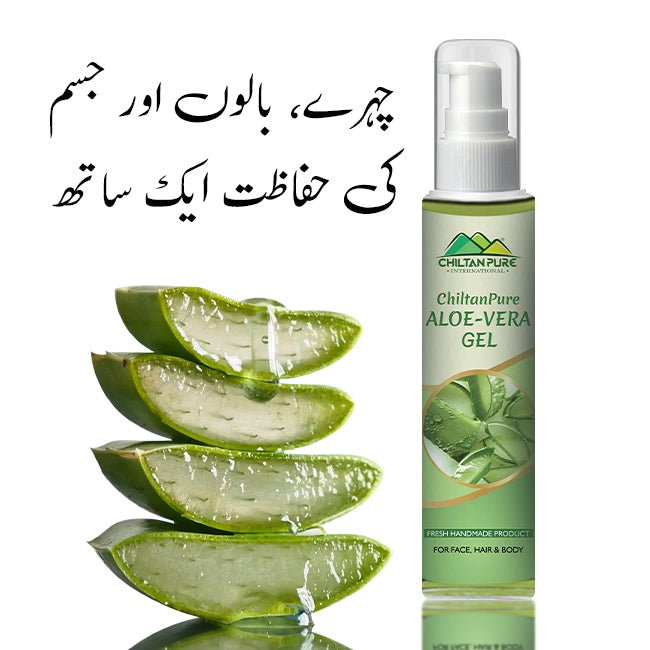
ChiltanPure Option: If you do not have a fresh aloe vera leaf, try the Aloe Vera Gel, which is made for face, hair, and body care.
4. Neem (Margosa) Leaves
Neem has been used in South Asian households for generations for skin and scalp problems. Lab research shows that neem extracts have antifungal and antibacterial activity. This makes it a traditional favorite for itchy, flaky scalps. Human studies on neem for dandruff are limited, so it works best as part of a regular scalp-care routine.
How to Use It:
-
Boil a handful of fresh neem leaves in 2 cups of water for about 15 minutes.
-
Let the water cool completely and strain it.
-
After shampooing, pour the neem water slowly over your scalp and massage gently.
-
Leave it on for 10 to 15 minutes, then rinse with plain water.
-
Use twice a week.
Alternative: Grind fresh neem leaves into a paste, or mix neem powder with a little water to make a paste. Apply it to the scalp for 20 minutes and rinse well.
Good to Know: Neem has a strong smell. Rinsing thoroughly with plain water helps reduce it.
ChiltanPure Option: If fresh neem leaves are hard to find, the Neem Powder is a convenient way to make your paste.

5. Fenugreek (Methi) Seeds
Fenugreek seeds are rich in protein, vitamins, and compounds that have soothing and anti-inflammatory properties. When soaked and ground into a paste, they can help calm itching and loosen flakes. They are a long-standing remedy in South Asian hair care. Research on fenugreek for dandruff specifically is limited, but many people find the paste soothing.
How to Use It:
-
Soak 2 tablespoons of fenugreek seeds in water overnight.
-
In the morning, grind them into a smooth paste.
-
Apply the paste to the scalp and hair roots.
-
Leave it on for 30 minutes.
-
Rinse thoroughly with lukewarm water and shampoo as usual.
-
Use once a week.
Good to Know: For a smoother paste, blend the seeds with a little yogurt.
ChiltanPure Option: Use Whole Fenugreek Seeds for your overnight soak.

6. Plain Yogurt (Dahi)
Plain, unsweetened yogurt contains lactic acid, which gently exfoliates the scalp, and it adds light moisture. It is a very gentle option for people with sensitive or dry scalps. Evidence for yogurt specifically on dandruff is limited. Still, the cooling and conditioning effect is helpful for many.
How to Use It:
-
Take half a cup of plain, unsweetened, fresh yogurt.
-
Apply it evenly to your scalp and hair roots.
-
Leave it on for 30 minutes.
-
Rinse with lukewarm water and wash with a mild shampoo.
-
Use once or twice a week.
Good to Know: Avoid flavored or sweetened yogurt. Sugar and additives are not helpful for the scalp.
ChiltanPure Option: Use the plain, fresh Yogurt for your mask. Please note that it is currently available for Lahore delivery only.

7. Raw Honey Scalp Mask
Honey is naturally moisturizing and has antibacterial and antifungal properties. In a small clinical study on seborrheic dermatitis, participants applied diluted crude honey to the scalp and affected skin. Many of them showed improvement in itching and scaling. More research is still needed, but honey is a gentle and nourishing option.
How to Use It:
-
Mix 1 tablespoon of raw honey with 1 tablespoon of warm water to make it easier to spread.
-
Apply it to your scalp and massage gently.
-
Leave it on for 30 to 60 minutes.
-
Rinse well with lukewarm water and shampoo.
-
Use once a week.
Good to Know: Use only raw or pure honey. Processed or adulterated honey will not give the same results.
ChiltanPure Option: Use a pure, natural honey such as Sidr Beri Honey for your mask.

8. Rosemary Oil
Rosemary oil is widely used for scalp and hair care. It is valued for its stimulating and antimicrobial qualities, and many people use it to support a healthy scalp environment. Research on rosemary oil has mostly focused on hair growth rather than dandruff. Think of it as a supportive scalp massage oil, not a treatment on its own.
How to Use It:
-
Mix 3 to 4 drops of rosemary essential oil into a tablespoon of a carrier oil.
-
Massage the blend into your scalp for 5 minutes. A gentle massage also improves circulation.
-
Leave it on for 30 to 60 minutes.
-
Wash with a mild shampoo.
-
Use twice a week.
Good to Know: Essential oils are very concentrated. Never apply them undiluted, and avoid use during pregnancy unless your doctor approves.
ChiltanPure Option: Try the Rosemary Essential Oil for scalp massage blends, and remember to always dilute it in a carrier oil.

9. Red Onion Oil or Onion Juice
Onions contain sulfur compounds that have long been used in traditional hair and scalp care. Sulfur itself is a familiar ingredient in some dandruff treatments, although the type and amount in onion products are different. People also use onion preparations for scalp nourishment and hair strength. Scientific evidence for onion on dandruff itself is limited, so view it as a supportive traditional remedy rather than a guaranteed fix.
How to Use It:
-
If you are using fresh juice, grate one red onion, squeeze out the juice, and apply it to the scalp with a cotton.
-
Leave it for 30 minutes, then wash with a mild shampoo.
-
If you prefer something less messy and less smelly, use a ready-made onion hair oil. Warm a small amount, massage into the scalp for 5 minutes, leave for 1 hour, then wash.
-
Use 1 to 2 times a week.
Good to Know: Fresh onion juice has a strong odor that can linger, and it stings if it gets into your eyes. A ready-made oil is far more convenient for regular use.
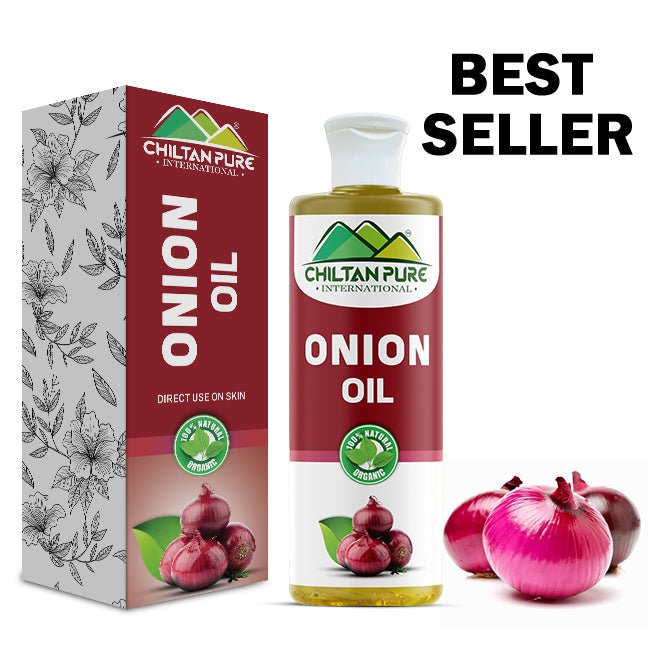
ChiltanPure Option: The Red Onion Oil is made for scalp care, and its listed benefits include nourishing the scalp and helping ward off dandruff, while adding strength and shine to hair.

10. Coconut Oil
Coconut oil is a classic scalp moisturizer. If your dandruff is mainly caused by dryness, a warm oil massage can soften flakes and ease tightness and itching. It also leaves hair feeling softer and easier to manage. However, it is not suitable for every type of dandruff, so please read the caution below before you try it.
How to Use It:
-
Warm 1 to 2 tablespoons of pure coconut oil gently. It should be warm, not hot.
-
Massage it into your scalp for 5 minutes.
-
Leave it for 30 minutes, then wash thoroughly with shampoo.
-
Use once a week.
Important Caution: If your flakes are greasy and yellowish, which often points to seborrheic dermatitis, heavy oils can feed the scalp yeast and make flaking worse. In that case, choose lighter options such as aloe vera, a diluted vinegar rinse, or a medicated or scalp-friendly shampoo, and keep oiling short and occasional.
ChiltanPure Option: Use the Coconut Oil for your warm oil massage.

The Missing Step: Wash with the Right Shampoo
Home remedies work best when your regular shampoo is not working against them. Many shampoos contain harsh sulfates that can strip the scalp of its natural oils. For some people, this leaves the scalp dry and irritated, which can make flaking worse.
Look for a gentle, sulfate-free shampoo that cleans without leaving your scalp tight or dry. If mild dandruff does not improve with natural care, over-the-counter medicated shampoos with ingredients such as zinc pyrithione, ketoconazole, or selenium sulfide are well studied and can be used as directed on the label.
ChiltanPure Option: The Red Onion Shampoo is a sulfate-free formula that is naturally low foaming. It helps lessen dandruff, calms an itchy and dry scalp, and strengthens hair follicles. It is available in 260ml and 500ml sizes so that you can use it alongside the remedies above for a complete scalp routine.
You can also explore the full shampoo collection and the hair care range for conditioning and treatment options.

A Simple Weekly Routine for Dandruff Control
Consistency matters more than trying a new remedy every day. Here is an easy routine you can follow for 4 weeks.
Monday: Warm oil massage with a few drops of rosemary oil blended into a carrier oil. Leave for 30 minutes, then wash with a sulfate-free shampoo.
Wednesday: Aloe vera gel or plain yogurt scalp mask for 30 minutes. Wash with a mild shampoo.
Friday: Wash with a gentle, scalp-friendly shampoo, then finish with a diluted apple cider vinegar rinse.
Sunday: Fenugreek paste or a honey mask for 30 to 60 minutes. Rinse thoroughly.
Adjust the schedule to your hair type. Oily scalps usually need washing 3 to 4 times a week and may do better skipping the Monday oil massage. Dry scalps may need less frequent washing but more moisture.

Mistakes That Make Dandruff Worse
-
Scratching Hard: Scratching with your nails damages the scalp barrier and can cause infection or inflammation. Use your fingertips to massage gently.
-
Washing Too Rarely: Letting oil and sweat build up feeds the yeast. If you have an oily scalp, wash regularly.
-
Washing Too Often with Harsh Shampoo: Over-cleansing with strong detergents can trigger dryness and irritation.
-
Using Very Hot Water: Hot water strips natural oils and irritates the scalp. Use lukewarm water and finish with a cool rinse.
-
Applying Undiluted Essential Oils: This can cause burns, rashes, and allergic reactions.
-
Using Lemon Juice or Baking Soda on the Scalp: These are popular online tips, but lemon juice is very acidic and baking soda is highly alkaline. Both can disrupt scalp balance and cause irritation, and they are best avoided.
-
Heavy Styling Products: Gels, sprays, and waxes can build up on the scalp. Wash them out regularly.
-
Switching Remedies Too Quickly: Give each routine at least 3 to 4 weeks before deciding whether it works.

Lifestyle and Diet Tips That Support a Healthy Scalp
What you do outside the shower matters too.
-
Eat Zinc-Rich Foods: Zinc supports skin and scalp health. Pumpkin seeds, sesame seeds, and other seeds are good sources. A handful of pure Pumpkin Seeds or the Mix Seeds blend with pumpkin, flax, sesame, and sunflower seeds makes an easy daily snack.
-
Get Healthy Fats: Omega-3 fatty acids from flax seeds, walnuts, and fish support a healthy skin barrier.
-
Stay Hydrated: Drinking enough water keeps your skin, including your scalp, in better condition.
-
Manage Stress: Walking, deep breathing, regular sleep, and light exercise can help reduce flare-ups.
-
Limit Excess Sugar and Heavily Processed Foods: Some people notice more oiliness and flaking with a very high sugar diet.
-
Keep Combs, Brushes, and Pillowcases Clean: Dirty tools can reintroduce oil and residue to your scalp.
-
Get Some Sunlight: Moderate sun exposure may help some people with dandruff, though you should always protect your skin from too much sun.
-
Condition the Lengths, Not the Scalp: If your scalp is oily, apply conditioner or a hair mask only from mid-length to the ends. The Keratin Conditioner Hair Mask is a good choice for the lengths of your hair.

Seasonal Tips: Dandruff in Hot and Cold Weather
In Pakistan, summers are hot and humid in many cities, while winters can be dry and cold, so your scalp needs change with the season.
In Summer or Humid Weather: Sweat and oil build up quickly. Wash your hair more often, avoid heavy oils, and rinse well. Light rinses such as diluted ACV or neem water feel refreshing.
In Winter or Dry Weather: The scalp loses moisture. Avoid washing with hot water, use a gentle shampoo, and add moisturizing masks such as aloe vera, yogurt, or honey.

When to See a Doctor
Home remedies are suitable for mild to moderate dandruff. Please consult a dermatologist if:
-
Your scalp is very red, swollen, painful, or oozing
-
You see thick, crusty, or scaly patches that spread beyond the scalp
-
Flaking does not improve after 4 weeks of consistent care
-
You notice significant hair loss along with flaking
-
You suspect an allergic reaction to a product or ingredient
-
Your child has persistent flaking, thick crusts, or rashes
A doctor can confirm whether you have simple dandruff, seborrheic dermatitis, psoriasis, eczema, or a fungal infection, and prescribe the right medicated treatment.

Conclusion
Dandruff can feel frustrating, but you do not need harsh chemicals or complicated treatments to get it under control. Start by understanding whether your scalp is dry or oily. Choose one or two remedies from this list, support them with a gentle sulfate-free shampoo, and follow your routine consistently for at least a month.
Pair your routine with a balanced diet, enough water, and good sleep, and your scalp will thank you. If your symptoms are severe or do not improve, see a dermatologist.
Ready to build a scalp care routine? Explore the ChiltanPure hair care collection for natural shampoos, oils, and treatments made for everyday hair and scalp care, and browse the essential oils collection for scalp massage blends.
Frequently Asked Questions
What Is the Fastest Way to Get Rid of Dandruff at Home?
The fastest approach is to combine a gentle, scalp-friendly shampoo with an antifungal home remedy such as tea tree oil in your shampoo or a diluted apple cider vinegar rinse. Most people begin to see less flaking and itching within 2 to 4 weeks of consistent use. Quick fixes do not exist, because dandruff needs ongoing care.
Can Dandruff Be Cured Permanently?
Dandruff is usually a long-term, recurring condition rather than something that is cured once and forever. It can be controlled very well with a regular routine, and flare-ups can be reduced by managing triggers such as stress, diet, and harsh products.
How Often Should I Wash My Hair if I Have Dandruff?
Most people with dandruff do well washing 2 to 4 times a week with a gentle shampoo. If your scalp is very oily, you may need to wash more often. If your scalp is dry, you can wash less often and add moisture through masks and light oils.
Does Oiling the Hair Cause or Reduce Dandruff?
It depends on the cause. A light oil massage may help dry scalp flakes. However, heavy or frequent oiling can worsen dandruff in people with an oily scalp or seborrheic dermatitis, because the yeast that triggers it feeds on oils. Keep oiling short, occasional, and always wash it out properly.
Is Dandruff Contagious?
No. Dandruff is not contagious. You cannot catch it from another person, combs, or towels, though keeping personal grooming tools clean is still a good habit.
Does Dandruff Cause Hair Fall?
Dandruff itself does not usually cause permanent hair loss. However, intense scratching and inflammation can weaken hair at the roots and lead to temporary shedding. Treating the dandruff and caring for the scalp often helps reduce this.
Can Stress Cause Dandruff?
Stress does not directly create dandruff, but it can trigger or worsen flare-ups in people who are already prone to it. Sleep, exercise, and relaxation habits can make a real difference.
Which Natural Ingredient Is Best for Dandruff?
Tea tree oil has some of the stronger research behind it. Aloe vera, neem, fenugreek, honey, and apple cider vinegar are popular, time-tested options, although more research is needed on them. The best ingredient is the one that suits your scalp type and that you can use consistently.
Are Onion Products Good for Dandruff?
Onion contains sulfur, which is a traditional ingredient in scalp care. Many people use onion oil or onion shampoo for scalp nourishment and to help keep dandruff in check. Evidence for onion on dandruff specifically is limited, so it works best as part of a full routine rather than as a standalone fix.
Can I Use These Remedies on Children?
Mild options such as plain yogurt or aloe vera are generally gentler, but you should avoid essential oils on young children. Persistent flaking in babies or children should be checked by a pediatrician or dermatologist.
Disclaimer: This article is for educational purposes only and is not a substitute for professional medical advice. Individual results may vary. Always patch test new ingredients and consult a qualified healthcare provider for persistent or severe scalp conditions.