![Red Onion Oil 🧅 Reduces Hair Fall & Accelerates Hair Regrowth [پیاز کا تیل].. Trending.... 🔥 - ChiltanPure](http://chiltanpure.com/cdn/shop/products/red-onion-oil-reduces-hair-fall-amp-accelerates-hair-regrowth-piaz-ka-til-trending-394813_640x.jpg?v=1707464619)
![Red Onion Oil 🧅 Reduces Hair Fall & Accelerates Hair Regrowth [پیاز کا تیل].. Trending.... 🔥 - ChiltanPure](http://chiltanpure.com/cdn/shop/products/red-onion-oil-reduces-hair-fall-amp-accelerates-hair-regrowth-piaz-ka-til-trending-329640_1170x.jpg?v=1708127491)





Dark Spots on Face: Causes, Effective Treatments and a Simple Routine to Fade Them

Dark spots are flat patches of skin that look darker than the skin around them. They appear when your skin produces extra melanin (the natural pigment that gives skin its color) in one area. The most common triggers are sun exposure, old acne marks, hormonal changes and skin inflammation.
You can fade most dark spots by doing four things consistently:
- Protect your skin from the sun every single day with sunscreen.
- Use proven brightening ingredients such as vitamin C, niacinamide, azelaic acid, kojic acid or alpha arbutin.
- Exfoliate gently so that pigmented cells shed and fresh skin comes forward.
- Be patient. Most people need 6 to 12 weeks of regular use to see a clear difference, and deeper spots can take 3 to 6 months or longer.
Key Takeaways
- Dark spots are not dirt, and they cannot be scrubbed away. They are extra pigment sitting in your skin.
- Pigmentation fades slowly, so adding one new active at a time and giving it a few weeks works better than a crowded shelf.
- Harsh home remedies such as raw lemon juice or baking soda can irritate skin and make dark spots worse.
- A sudden, fast-growing, bleeding or irregular dark spot needs a dermatologist, not a serum.
What Are Dark Spots?
Dark spots, also called hyperpigmentation, are areas of skin that look brown, tan, grey or dark pink compared with your natural skin tone. They can be as small as a freckle or as large as a coin, and they can appear on the cheeks, forehead, upper lip, chin, hands and neck.
Your skin color comes from cells called melanocytes, which make melanin. Melanin is your skin's built-in shield against ultraviolet (UV) light. When these cells are triggered by UV rays or hormones, they can overproduce melanin and deposit it unevenly. The result is a dark spot.
Dark spots are usually harmless from a health point of view. However, they can affect confidence, and in rare cases a changing spot can be a sign of a more serious skin condition, which is why knowing what to watch for matters (covered in the dermatologist section below).

Types of Dark Spots (and Why the Type Matters)
Not every dark spot is the same, and the best approach depends on what you are dealing with.
Sun Spots (Solar Lentigines)
These are small, flat, well-defined brown spots that appear after years of sun exposure. They show up on areas that get the most sun, such as the cheeks, nose, forehead, shoulders and backs of the hands. They tend to become more common with age.
Post-Inflammatory Hyperpigmentation (PIH)
This is the dark mark left behind after a pimple, cut, burn, rash, or irritation heals. The spot is not a scar. It is leftover pigment from inflammation. It usually fades with time and the right care.
Melasma
Melasma appears as larger, symmetrical, patchy brown areas, most often on the cheeks, forehead, upper lip and jawline. It is strongly linked to hormones (pregnancy, birth control pills and thyroid changes) and is made worse by sun and heat. Melasma is stubborn and often needs professional guidance.
Age Spots and Uneven Tone
As skin ages, it renews itself more slowly. Sun damage collected over the years becomes visible as scattered spots and a dull, uneven tone.
Knowing your type helps you set realistic expectations. Sun spots and PIH often respond well to a consistent home routine. Melasma usually needs a more careful, long-term plan, ideally with a dermatologist.

What Causes Dark Spots on the Face?
1. Sun Exposure
UV light is the number one cause. Even short, regular exposure during daily errands, driving or sitting near a window adds up. UV triggers melanin production as a defense, and over time the pigment clusters into spots. Sun also makes every existing spot darker and slows its fading.
2. Acne and Skin Inflammation
Whenever skin is inflamed, it can respond by making extra pigment. Picking, squeezing or scratching pimples increases inflammation and raises the chance of a lasting dark mark.
3. Hormonal Changes
Pregnancy, birth control, thyroid conditions and other hormonal shifts can switch on melasma. Hormones make melanocytes more sensitive to sunlight.
4. Harsh Products and Over-Exfoliation
Strong scrubs, overuse of acids, hair removal creams and other harsh products can damage the skin barrier and cause irritation, which then leaves pigmentation behind.
5. Heat and Visible Light
Heat from cooking, hot environments and strong visible light, including sunlight coming through windows, can aggravate melasma in some people.
6. Medications and Genetics
Some medicines make skin more sun-sensitive. Your genes also decide how easily your skin forms pigment, which is why pigmentation tends to run in families.
7. Friction and Irritation
Constant rubbing from tight scarves, face masks, rough towels or aggressive cleansing can leave darker patches over time.

Why Dark Spots Are Common in Pakistan and South Asia
Two factors make pigmentation a very frequent concern here. First, UV levels across much of Pakistan are high for a large part of the year, and many people spend time outdoors without sun protection. Second, melanin-rich skin is more reactive. It has some natural protection from sun damage, but it is also more likely to form dark marks after acne, irritation or injury.
For this reason, a gentle and consistent routine usually works better here than harsh bleaching-style products, which can trigger even more pigmentation.
Ingredients That Actually Help Fade Dark Spots
When you read labels, look for ingredients with a track record. Here is a plain-language guide.
| Ingredient | How It Helps | Best Used |
|---|---|---|
| Vitamin C (ascorbic acid and derivatives) | Antioxidant that helps reduce melanin production, brightens dull skin and supports collagen. | Morning, under sunscreen |
| Niacinamide (vitamin B3) | Helps limit the transfer of pigment to skin cells, calms redness, supports the skin barrier and helps balance oil. | Morning or night |
| Azelaic Acid | Gently targets overactive pigment cells and helps with acne and post-acne marks. | Night, or twice a day if tolerated |
| Kojic Acid | Helps slow the enzyme that makes melanin. | Night |
| Alpha Arbutin | A gentler brightening agent that helps reduce melanin formation. | Morning or night |
| Retinoids (Retinol, Adapalene) | Speed up cell turnover so pigmented cells shed faster. Not for use in pregnancy. | Night, start slowly |
| Tranexamic Acid (Topical) | Often used in serums for stubborn or hormonal pigmentation. Oral tranexamic acid is prescription-only and should only be taken under a doctor's care. | Morning or night |
| Sunscreen (SPF 30 or Higher) | Helps prevent new pigment from forming and keeps existing spots from darkening. | Every morning, reapply |
A Note on Ingredient Strength
More is not better. Layering too many actives at once is one of the quickest ways to irritate skin and create new pigmentation. Introduce one new active at a time, wait about two weeks, then add another.
What About Hydroquinone?
Hydroquinone is a strong skin-lightening agent that is regulated or prescription-only in many countries because of side effects with long or unsupervised use. If you are considering it, use it only under a dermatologist's guidance.
A Simple Morning and Night Routine for Dark Spots
A routine only works if you can follow it every day. This one keeps things to a few basic steps and can be adjusted to your skin type. If you are new to actives, start with just a cleanser, moisturizer and sunscreen, then add one serum after a week or two.
Morning Routine
Step 1 (Cleanse): Use a gentle face wash that does not leave your skin tight. If you are acne-prone, a tea tree-based cleanser can support your breakout routine, and fewer breakouts mean fewer marks. If your skin tends to be oily or you want a mild, soothing cleanse, a rice-based face wash is another option.
Step 2 (Apply a Brightening Serum): Vitamin C is a popular morning choice because it is an antioxidant that works well alongside sunscreen. Apply two to three drops to clean, slightly damp skin.
Step 3 (Moisturize): Healthy, hydrated skin heals better than dry, stressed skin. Use a light moisturizer suited to your skin type.
Step 4 (Sunscreen): Apply a broad-spectrum SPF 30 or higher (SPF 50 is a good choice for Pakistan's strong UV) as the final step. Use enough to cover your face and neck, roughly two finger-lengths, and reapply every two to three hours when outdoors. If you have melasma, a tinted sunscreen containing iron oxides can give extra protection against visible light. This step is not optional.
Night Routine
Step 1 (Cleanse): Remove sunscreen, dust and oil thoroughly but gently.
Step 2 (Treat): Use one targeted pigmentation serum, such as niacinamide, azelaic acid or alpha arbutin. If you use a retinoid or an exfoliating acid, do so only two or three nights a week at first, and not on the same night as another strong active.
Step 3 (Moisturize): Finish with a nourishing night cream to repair and support the skin barrier.
Weekly Care
- Exfoliate once or twice a week, preferably with a mild chemical exfoliant (such as a low-strength AHA or PHA). If you prefer a physical scrub, choose a very fine one and use light pressure. Skip exfoliation if your skin is inflamed, broken out or sunburned.
- Use a clay or mud mask once a week if your skin is oily or breakout-prone.
- Do not exfoliate on the same day you use a retinoid.

How Long Does It Take to Fade Dark Spots?
Skin renews itself roughly every 28 days in younger adults, and more slowly with age. Pigment sits at different depths, so timelines vary:
- Surface-level spots and fresh post-acne marks: often 6 to 12 weeks with consistent care.
- Sun spots: typically 2 to 4 months.
- Deeper or older pigmentation and melasma: 3 to 6 months or longer, with a high chance of returning if sun protection stops.
Take a clear photo in the same light every two weeks. Progress is slow, and photos are far more reliable than the mirror.

Dark Spot Mistakes That Make Pigmentation Worse
- Skipping Sunscreen: Without it, the sun undoes the work of your serums.
- Picking at Pimples: Every squeezed pimple raises the odds of a dark mark.
- Using Harsh Scrubs: Rough scrubbing causes micro-damage and inflammation.
- Trying Many New Products at Once: If skin reacts, you will not know the cause, and irritation can darken spots.
- Using Unlabeled Whitening Creams: Some contain steroids or mercury and can cause serious, lasting damage. Always check the source and the ingredient list, and avoid creams sold without a brand, batch number or ingredients.
- Expecting Overnight Results: Rushing leads to over-treating, which backfires.
- Stopping Too Early: Pigment comes back quickly if protection and maintenance end.

Home Remedies: What Helps and What to Avoid
Many people try kitchen remedies first. Here is an honest look.
Generally Gentle Options:
- Aloe vera gel can soothe irritated skin and support healing.
- Green tea or rice water used as a mild toner may calm skin, although evidence for fading spots is limited.
Use Caution or Avoid:
- Raw lemon juice is very acidic, can burn skin and makes it more sun-sensitive, which can worsen dark spots.
- Baking soda disrupts your skin's natural pH and can damage the barrier.
- Toothpaste on pimples or spots is irritating and not a treatment.
- Undiluted essential oils can cause allergic reactions and pigmentation.
Natural does not automatically mean safe. Whatever you use, patch test on the inner arm or behind the ear first and wait 24 hours.
How to Prevent New Dark Spots
- Wear sunscreen on cloudy days and when indoors near windows, not just in bright sun.
- Add a wide-brim hat, sunglasses or a scarf during peak sun hours.
- Treat acne early and gently so it does not leave marks.
- Keep your skin barrier healthy with daily moisturizer.
- Limit heat exposure if you are prone to melasma.

Lifestyle and Nutrition Support for Even Skin Tone
Skincare products do the main work, and daily habits support your skin's natural repair. These habits help overall skin health but are not proven to fade spots on their own.
- Hydration: Drinking enough water supports overall skin function.
- Antioxidant-Rich Foods: Citrus fruits, berries, leafy greens, tomatoes and nuts supply vitamins C and E and other antioxidants.
- Seeds and Healthy Fats: Pumpkin, flax, sesame and sunflower seeds provide zinc, vitamin E and omega fats that support skin health.
- Sleep: Skin repairs itself while you sleep, so aim for seven to eight hours.
- Stress Management: High stress can worsen breakouts and inflammation, which may lead to more marks.
- Avoid Smoking: It reduces blood flow and speeds up skin aging.

When to See a Dermatologist
Please book a consultation if:
- A spot is growing quickly, has uneven borders, has several colors, itches, bleeds or looks different from other spots on your body. Use the ABCDE guide: Asymmetry, Border, Color, Diameter and Evolving.
- Your pigmentation shows no improvement after about three months of consistent care, or it gets worse or more irritated at any point.
- You have widespread or sudden pigmentation, which may be linked to hormones or a medical condition.
- You are pregnant or breastfeeding and want to treat melasma safely.
- Your skin becomes red, burning or swollen after using a product.
A dermatologist can also offer treatments such as prescription creams, chemical peels, microneedling or laser, which are best performed by a qualified professional.

Dark Spot Care Products from ChiltanPure
If you are building a dark spot routine, these ChiltanPure products can fit into the steps above, from cleansing and treatment to sun protection. Start with one serum and a sunscreen, then add other products gradually as your skin adjusts. Always read the label and patch test before first use.
Targeted Pigmentation Care
Choose the serum that matches your skin concern and build your routine from there.
- Anti-Pigmentation Serum: A serum made for pigmentation concerns, and a great main treatment step for your night routine.
- Brightening Serum: Supports skin brightness and a more even-looking tone, and works well for acne-prone skin too.
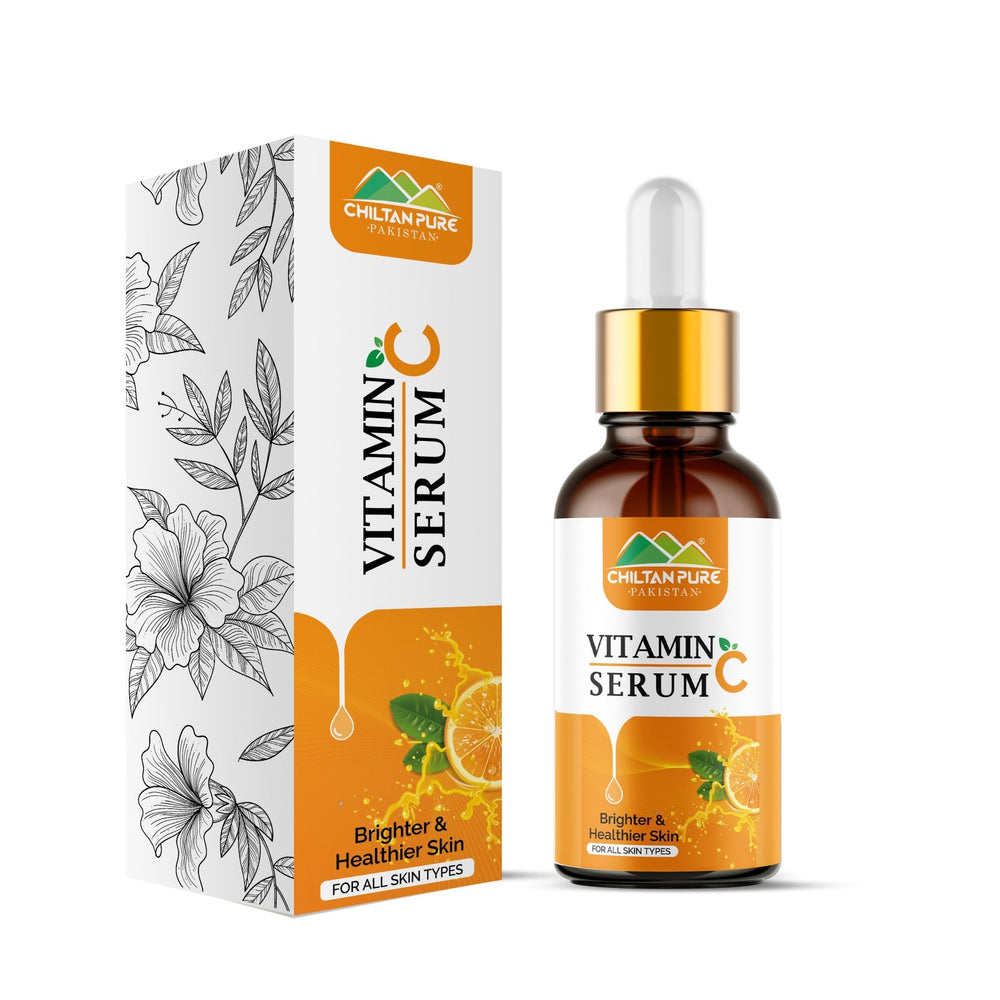
- Vitamin C Serum for Face: A morning favorite for brighter, more even-looking skin, with support for the look of pigmentation, dark circles and skin texture. Suitable for all skin types.
- Niacinamide Serum: Made for oily and combination skin, and a great fit if your dark spots come from past breakouts.
Cleansing and Exfoliating
- Tea Tree Face Wash: A refreshing cleanser for acne-prone skin that supports your breakout routine, so fewer marks are left behind.
- Rice Face Wash: A gentle daily cleanser that keeps oily skin feeling clean and fresh.
- Rice Face and Body Scrub: A fine exfoliating scrub made with rice microspheres that leaves skin feeling smooth and fresh. Use it gently once a week as part of your routine.
Moisturizing and Complete Care
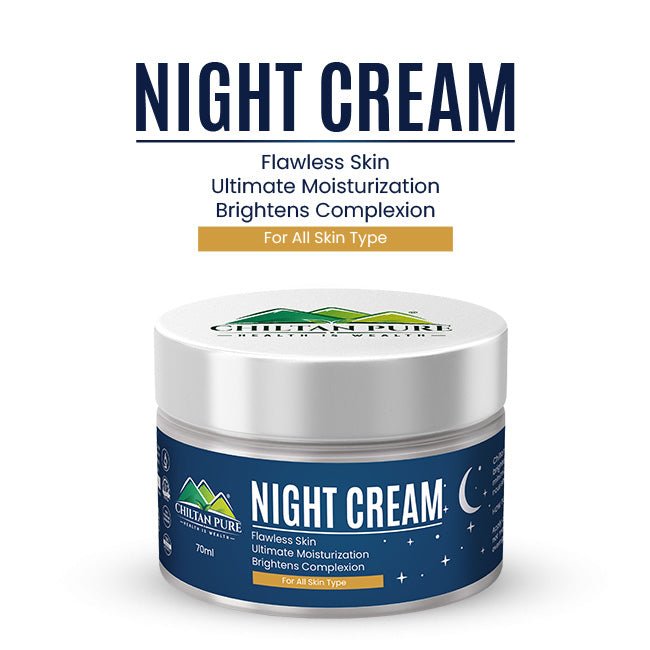
- Night Cream: A nourishing face cream that finishes your night routine beautifully.
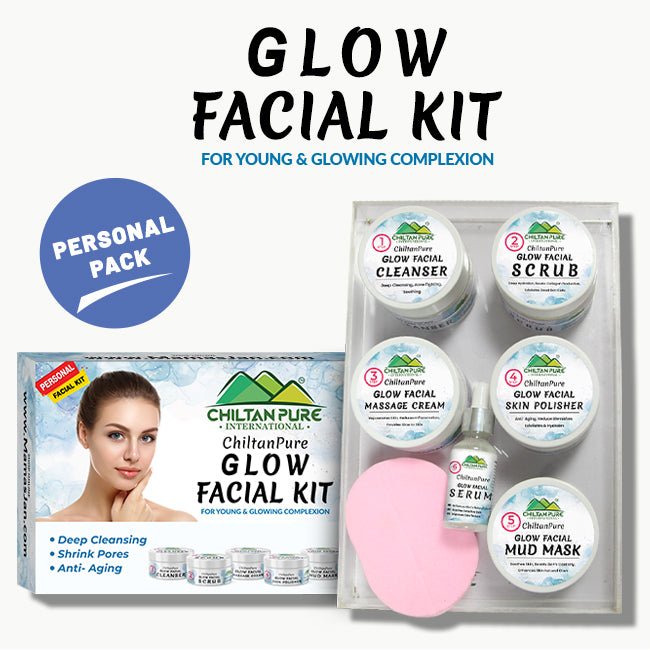
- Glow Facial Kit: A six-step facial at home covering cleanser, scrub, massaging cream, skin polisher, mud mask and serum, for a fresher, brighter look.
- Rice Facial Kit: A six-step brightening facial for a fresh, glowing look at home.
Sun Protection
Do not forget the most important step. Choose a sunscreen you will actually wear every day, and reapply it throughout the day.
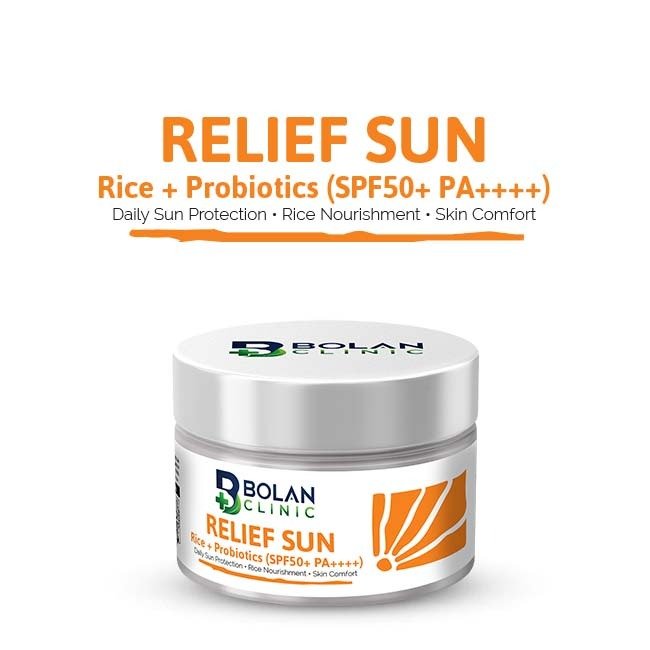
- Relief Sun Rice + Probiotics: A lightweight, SPF 50+ sunscreen designed for everyday facial use, a good fit for the high UV levels in Pakistan.
- Glow SPF Tinted Sunscreen: A lightweight, tinted broad-spectrum sunscreen with natural coverage, suitable for all skin types and a good choice if you prefer a tinted option.
- SunBlock Cream: A daily SPF 30 face cream that helps protect skin from sunburn and limits the appearance of sun spots.
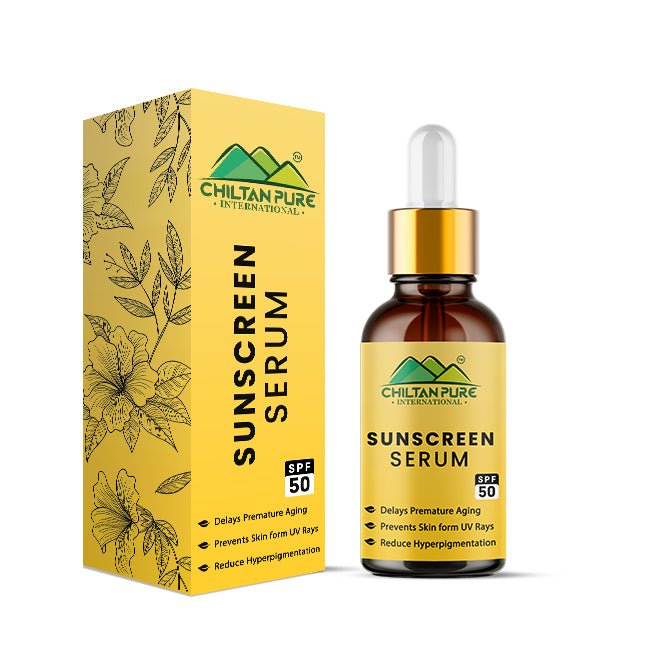
- Sunscreen Serum: A lighter, serum-style SPF 30 option for daily UV protection, if you prefer a thinner texture.
A Friendly Reminder: Cosmetic products support skin appearance and care. They are not a substitute for medical advice. If you have a medical skin condition, are pregnant or are on prescription treatment, check with your doctor first.

Conclusion
Dark spots are one of the most common skin concerns, and they are also one of the most treatable when you understand what is behind them. The formula is simple but requires discipline: daily sun protection, proven ingredients and enough time for your skin to renew itself.
Start with a basic routine, track your progress with photos and stay consistent. If something does not look right or does not improve, seek advice from a dermatologist.
Ready to start? Explore ChiltanPure's range of face serums, cleansers and facial kits to build a routine that fits your skin and your budget.
Frequently Asked Questions
What Is the Fastest Way to Get Rid of Dark Spots on the Face?
There is no instant fix. The fastest safe approach is daily sunscreen, a brightening serum such as vitamin C or niacinamide, gentle exfoliation and patience. Most people see early improvement within 6 to 12 weeks. Professional treatments from a dermatologist can speed up results for stubborn pigmentation.
Which Serum Is Best for Dark Spots?
The best serum depends on your skin type and the cause of your spots. Vitamin C is a strong morning choice for brightening, while niacinamide is helpful for oily, acne-prone skin and for calming marks left by pimples. A dedicated anti-pigmentation serum can be added at night, but start with one serum at a time.
Can Dark Spots Go Away Naturally?
Some can. Post-acne marks and mild sun spots often fade slowly over several months if you protect your skin from the sun and avoid further irritation. Deeper pigmentation, melasma and older sun spots rarely disappear on their own and benefit from active treatment.
Does Vitamin C Really Help with Dark Spots?
Yes. Vitamin C is an antioxidant that helps interfere with melanin production and brightens skin tone over time. It works best when used regularly in the morning and followed by sunscreen.
Can I Use Vitamin C and Niacinamide Together?
Yes, for most people. They can be used in the same routine, for example vitamin C in the morning and niacinamide at night, or both in the morning if your skin tolerates it. If you feel stinging or redness, use them at different times of day.
Why Do My Dark Spots Keep Coming Back?
The most common reason is sun exposure without protection. Hormonal changes, continued picking at pimples, and stopping your routine too early are other frequent causes. Maintenance with sunscreen and a gentle serum helps keep pigmentation away.
Is It Safe to Use Lemon Juice for Dark Spots?
It is best to avoid it. Lemon juice is highly acidic, can irritate or burn the skin, and increases sun sensitivity, which can make spots darker. Use tested skincare ingredients instead.
Can I Use Dark Spot Serums During Pregnancy?
Some ingredients, such as retinoids, are not recommended in pregnancy or while breastfeeding. Always talk with your doctor before using new active products when pregnant or breastfeeding.
About This Article: This guide is written for general education and is based on widely accepted dermatology principles about pigmentation, sun protection and active skincare ingredients. Individual results vary depending on skin type, the cause of pigmentation, product use and sun habits.