![Red Onion Oil 🧅 Reduces Hair Fall & Accelerates Hair Regrowth [پیاز کا تیل].. Trending.... 🔥 - ChiltanPure](http://chiltanpure.com/cdn/shop/products/red-onion-oil-reduces-hair-fall-amp-accelerates-hair-regrowth-piaz-ka-til-trending-394813_640x.jpg?v=1707464619)
![Red Onion Oil 🧅 Reduces Hair Fall & Accelerates Hair Regrowth [پیاز کا تیل].. Trending.... 🔥 - ChiltanPure](http://chiltanpure.com/cdn/shop/products/red-onion-oil-reduces-hair-fall-amp-accelerates-hair-regrowth-piaz-ka-til-trending-329640_1170x.jpg?v=1708127491)





Frizzy Hair: Causes, Proven Fixes and a Complete Care Routine That Actually Works

Frizzy hair happens when the outer layer of the hair strand, called the cuticle, is raised or damaged and the strand is low on moisture. Dry hair pulls water from humid air, swells unevenly and sticks out in all directions. To fix frizz, you need to do four things consistently: cleanse gently, add moisture, seal the cuticle with a natural oil, and reduce friction and heat damage. A sulfate-free or balanced shampoo, a weekly deep conditioning mask, a few drops of a lightweight oil on damp hair, and a silk or satin pillowcase can noticeably smooth hair within a few weeks.
Key Takeaways
- Frizz is mainly a moisture problem, not a styling problem.
- Humidity, heat styling, harsh shampoos, hard water and rough towel drying are the biggest triggers.
- Natural oils such as jojoba, coconut, castor and almond help seal moisture inside the strand.
- Your shampoo choice matters as much as your oil. A clarifying shampoo helps oily scalps, while a moisturizing one helps dry lengths.
- Real results come from a routine followed for 4 to 8 weeks, not from a single product.
- Severe, sudden or patchy changes in hair texture can have medical causes and deserve a doctor's visit.
What Is Frizzy Hair?
Frizzy hair is hair that looks dry, rough, puffy and unruly, with strands that refuse to lie flat or follow a defined shape. Instead of forming a smooth pattern, whether straight, wavy or curly, the strands separate and stand away from the rest of the hair. Many people describe it as a halo of fuzz around the crown, the sides or the ends.
Frizz is not a disease, and it is not a permanent hair type. It is a visible sign that the hair fiber is struggling to hold moisture and keep its outer layer sealed. That is good news, because it means frizz can be improved with the right care.
What Does Frizzy Hair Look Like? Signs to Check
You may be dealing with frizz if you notice any of the following:
- Hair puffs up within minutes of leaving the house, especially on humid days
- Flyaways around the hairline and crown that do not settle
- A straw-like or rough texture when you run your fingers down a strand
- Hair that tangles easily and breaks while combing
- Curls that lose their pattern and turn into a cloud
- Dull hair with little shine even after washing
- Split ends and uneven hair length at the tips
- Styling that looks perfect in the morning but falls apart by afternoon
If several of these sound familiar, your hair is asking for more moisture and a gentler routine.

The Science Behind Frizz
To understand why frizz happens, it helps to know what a hair strand is made of. Each strand has three main layers.
The Cuticle is the outer shield made of overlapping scales, similar to roof tiles. When healthy, these scales lie flat and reflect light, which gives hair its shine.
The Cortex is the thick middle layer made of keratin proteins. It gives hair its strength, elasticity and color.
The Medulla is the innermost core, which is often absent in fine hair.
Hair is hygroscopic, which means it absorbs and releases water depending on the moisture in the air. Keratin contains hydrogen bonds that temporarily shift when hair gets wet or humid. When the cuticle is smooth and sealed, hair absorbs water evenly. When the cuticle is lifted or damaged, water enters unevenly, each strand swells by a different amount, and the result is the fuzzy, expanded look we call frizz.
Healthy, moisturised hair has less room to take in extra water from the air. Hair that is dry and porous acts like a sponge, which is why frizz is worse on dry, damaged hair.
Hair Porosity and Frizz
Porosity describes how easily your hair absorbs and keeps moisture.
- Low Porosity Hair has tightly closed cuticles. It resists moisture at first, can feel coated with product, and frizzes when products sit on top instead of absorbing. Lightweight oils and warm water work best.
- Normal Porosity Hair absorbs and holds moisture well and usually frizzes only under heavy damage or extreme humidity.
- High Porosity Hair has gaps or raised cuticles, often from chemical treatments, heat or genetics. It absorbs water quickly and loses it just as fast. This type frizzes the most and benefits from richer oils and deep conditioning.
A simple home check is the float test. Place a clean strand in a glass of water for a few minutes. If it floats, porosity is likely low. If it sinks quickly, porosity is likely high. Keep in mind that this test is popular but not very precise, so also watch how your hair behaves in real life. Hair that gets wet quickly and dries fast is usually high porosity, while hair that repels water and takes long to dry is usually low porosity.

12 Common Causes of Frizzy Hair
1. Lack of Moisture
Dry hair is one of the most common reasons for frizz. When the hair shaft lacks water and natural lipids, the cuticle lifts and the strand reaches for moisture from the air.
2. High Humidity
Humid weather pushes water vapor into the hair. In dry or damaged hair, this causes uneven swelling and fuzz.
3. Heat Styling
Blow dryers, flat irons and curling tools at high temperatures strip moisture and roughen the cuticle. Repeated daily heat can cause lasting damage.
4. Harsh Shampoos
Strong detergents can remove too much natural oil from the scalp and hair, leaving lengths dry. Daily washing with a harsh formula is a common hidden cause.
5. Chemical Treatments
Coloring, bleaching, relaxing, rebonding and keratin treatments change the hair structure. Bleached and heavily processed hair is more porous and more prone to frizz.
6. Rough Towel Drying
Rubbing wet hair with a regular cotton towel creates friction and lifts the cuticle. Wet hair is also at its weakest, so rough handling causes breakage and flyaways.
7. Brushing Dry Hair Aggressively
Using a fine-tooth comb or a stiff brush on dry hair can pull strands apart and create static and frizz, especially in wavy and curly hair.
8. Hard Water
Water high in calcium and magnesium can leave mineral deposits on the hair. This buildup makes hair feel rough, heavy and dull, and it blocks moisture from entering the strand.
9. Sun, Dust and Pollution
UV rays break down keratin and lipids on the hair surface. Dust and pollution add dryness and buildup, both of which roughen the cuticle.
10. Genetics and Natural Texture
Wavy and curly hair has a naturally uneven shape. The bends in the strand make it harder for natural scalp oils to travel from root to tip, so curly hair tends to be drier and frizzier by nature.
11. Nutritional Gaps
Low protein, iron, zinc, biotin, vitamin D or essential fatty acids can affect hair quality. Crash diets and long periods of poor nutrition often show up first in the hair.
12. Friction From Fabrics and Habits
Cotton pillowcases, tight scarves, rough hijab fabrics and constant touching of the hair all create friction that lifts the cuticle overnight and during the day.

Frizzy Hair by Hair Type
Straight Hair: Frizz often shows as flyaways and a rough, puffy look at the top: lightweight oils and regular trims help. Avoid heavy butters that make fine hair look flat.
Wavy Hair: Frizz breaks up the wave pattern. Use a leave-in product on damp hair and scrunch gently instead of brushing.
Curly and Coily Hair: These types need the most moisture because oils travel slowly down the curl. Deep conditioning once a week and layering of water, leave-in and oil work well.
Fine Hair: Use small amounts of product. A few drops of oil are enough. Too much weighs hair down and looks greasy.
Thick Hair: Thick hair can handle richer oils and masks, and it usually needs more product to coat every strand.
Color-Treated or Chemically Straightened Hair: Choose gentle, sulfate-free care, lower the heat on your tools, and use a weekly mask to rebuild softness.

Why Frizz Gets Worse in Pakistan's Climate
Pakistan has a wide range of conditions that challenge hair in different ways during the year.
Humid Monsoon Months in cities like Lahore, Karachi and Islamabad raise the moisture in the air. Hair that is already dry absorbs this moisture unevenly and frizzes quickly.
Hot, Sunny Summers expose hair to strong UV rays and sweat. Sun exposure dries the cuticle, and frequent washing to feel fresh can strip natural oils.
Dry Winters bring low humidity, dry indoor air from heaters and cold wind. Static and flyaways become common, and the scalp can become flaky.
Hard Water is common in many areas, which makes a regular clarifying wash especially important here.
Traditional Hair Habits also play a role. Many families grew up using oil massages, which are excellent for hair, but combining them with harsh, frequent shampooing or tight braids can cancel out the benefits.
The solution is to adjust your routine with the season: more moisture and sealing in humid and dry months, more UV protection and gentle cleansing in summer, and a regular clarifying wash to remove mineral buildup.

Step-by-Step Routine to Control Frizzy Hair
A good routine is simple and repeatable. Here is a complete plan you can follow.
Step 1: Pre-Wash Oil Treatment (1 to 2 Times a Week)
Warm a small amount of oil between your palms and massage it into the scalp for 5 to 10 minutes, then spread the remaining oil through the lengths and ends. Leave it on for 30 minutes to 2 hours before washing. Pre-wash oiling can reduce the water damage that happens when hair swells during shampooing. A 2003 study published in the Journal of Cosmetic Science found that coconut oil used before washing helped reduce protein loss in hair, which is one reason this old tradition still holds up.
Step 2: Choose the Right Shampoo
Focus shampoo on the scalp, where oil and dirt collect, and let the foam rinse down the lengths. Do not scrub the ends.
- If your scalp gets oily or you notice buildup from products and hard water, a clarifying shampoo once a week can reset your hair.
- If your hair is very dry or chemically treated, choose a milder, moisture-focused shampoo and wash less often.
- Wash 2 to 3 times a week for most people. Daily washing is not necessary unless your scalp is very oily.
Step 3: Condition Every Time
Conditioner smooths the cuticle and adds slip so that hair detangles without breaking. Apply it from mid-length to ends, leave it for 2 to 3 minutes, then rinse. A final rinse with cool or lukewarm water instead of hot water is gentler on the hair and can help it feel smoother and look shinier.
Step 4: Deep Condition Weekly
Use a deep conditioning mask or a natural hair mask once a week. Leave it on for 20 to 30 minutes. This is where much of the real repair happens for dry, frizzy hair.
Step 5: Dry Gently
Never rub wet hair. Squeeze out water with a soft microfiber towel or an old cotton t-shirt. Wrap your hair for a few minutes, then let it air dry as much as possible.
Step 6: Apply a Leave-In Product and Oil to Damp Hair
Damp hair absorbs products better than dry hair. Apply a leave-in conditioner if you use one, then add 2 to 4 drops of a lightweight oil to the ends and mid-lengths. The oil seals in the water already in the strand.
Step 7: Detangle With the Right Tools
Use a wide-tooth comb. Start from the ends and work up to the roots. For curly hair, detangle while conditioner is still in the hair.
Step 8: Protect Hair From Heat
If you must use a hairdryer or straightener, apply a heat protectant first, use the lowest effective temperature and keep the tool moving. Aim to heat-style fewer times per week.
Step 9: Protect Hair at Night
Sleep on a silk or satin pillowcase or wear a loose silk bonnet, because cotton absorbs moisture and creates friction. Tie hair loosely in a low braid or a soft scrunchie to avoid tension.
Step 10: Trim Regularly
Split ends make hair look frizzy and cannot be repaired. A small trim every 8 to 12 weeks keeps the ends neat and stops splits from travelling up the strand.

Best Natural Oils for Frizzy Hair
Natural oils work by lubricating the hair surface, reducing friction and slowing moisture loss. Different oils suit different hair types.
Jojoba Oil is technically a liquid wax that closely resembles the natural sebum produced by the scalp. It is lightweight, feels comfortable on the scalp and works well for fine and normal hair and for oily scalps.
Coconut Oil is one of the few oils shown to penetrate the hair shaft instead of only coating it. It is excellent for pre-wash treatments and for thick or coarse hair. Use sparingly on fine hair.
Castor Oil is thick and rich in ricinoleic acid. It coats the hair, adds shine and is helpful for thick, dry or curly hair. Mix it with a lighter oil to make it easier to spread.
Almond Oil is light, nourishing and rich in vitamin E. It suits most hair types and is a great daily sealing oil for ends.
Quick Oil Comparison Table
Use this table to match an oil with your hair type and routine.
| Oil | Best Hair Type | Main Benefit | Best Way to Use |
|---|---|---|---|
| Jojoba Oil | Fine and normal hair, oily scalps | Lightweight smoothing and scalp balance | 2 to 3 drops on damp ends daily |
| Coconut Oil | Coarse, thick and dry hair | Deep nourishment and less protein loss | Pre-wash massage for 30 minutes to 2 hours |
| Castor Oil | Thick, dry and curly hair | Rich coating, shine and softness | Blend with a lighter oil and apply on ends |
| Almond Oil | Most hair types | Light moisture and vitamin E | Finishing oil on damp mid-lengths and ends |
How to Use Oils Correctly
- Less is more. Start with 2 to 3 drops for fine hair and up to 6 to 8 for thick hair.
- Warm the oil in your palms before applying.
- Focus on ends and mid-lengths for frizz control. Use more on the scalp only if the scalp is dry.
- Do not leave heavy oils on for days without washing, because buildup can attract dust.
- Always do a patch test on a small area of skin before using a new oil.
ChiltanPure Products That Support Frizz Control
ChiltanPure offers anti-frizz hair care that fits the key steps of the routine above: cleansing, conditioning and sealing. Always read the label of each product and follow the usage directions.
Cleansing: Choose the Shampoo That Fits Your Hair
ChiltanPure Anti Frizz Shampoo is a gentle daily shampoo made to cleanse while leaving hair smoother and easier to manage. It is a simple starting point if frizz is your main concern.
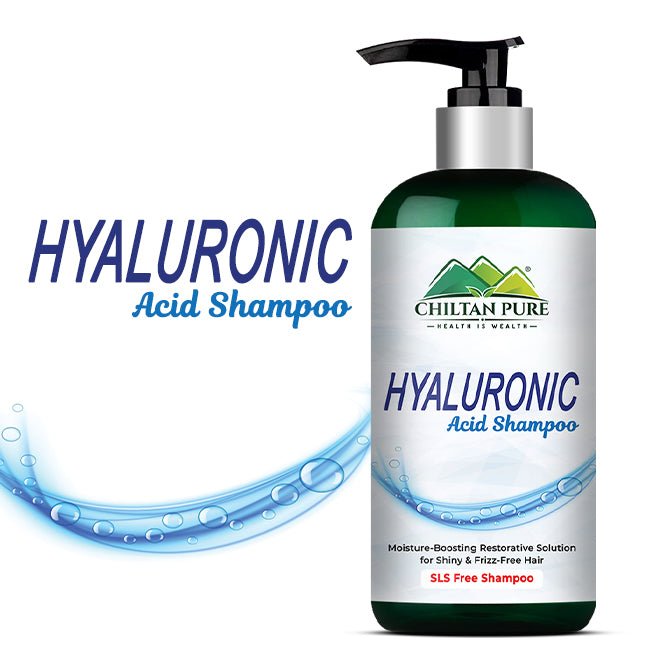
ChiltanPure Hyaluronic Acid Shampoo is a moisture-focused, paraben-free shampoo designed to help hair hold on to hydration, which is exactly what frizz-prone hair needs.
ChiltanPure Apple Cider Vinegar Shampoo is a good weekly clarifying option. Apple cider vinegar is mildly acidic, and mildly acidic products are often used to help hair feel clean, smooth and shiny, which is helpful if hard water or product buildup is making your hair rough.
Conditioning: Moisture for Dry, Frizz-Prone Hair
ChiltanPure Keratin Conditioner Hair Mask is a 450ml anti-frizz mask that adds moisture and helps damaged hair look shinier and smoother. It is a strong choice for your weekly deep conditioning step.
ChiltanPure Coconut Conditioner is a 450ml conditioner for dry, dull hair that needs everyday moisture and a smoother finish.
ChiltanPure Leave In Curl Conditioner is a good fit for wavy and curly hair. It helps reduce frizz and dryness while supporting curl definition, and it layers well with curl creams, gels and oils.
Sealing: Serum and Oil for Smoothing
ChiltanPure Hello Hair Serum is a lightweight, non-sticky 50ml serum made to control frizz, add shine and help protect hair from heat and humidity. A small amount on damp ends is enough.
ChiltanPure Batana Oil for Hair is a 200ml hair oil made to restore moisture, tame frizz, and add softness. It works well as a pre-wash treatment or as a few drops on dry ends.
You can explore the full frizzy hair collection and choose according to your hair type and concern.
A Sample Weekly Routine Using ChiltanPure Products
Monday, Pre-Wash: Warm oil massage using ChiltanPure Batana Oil for Hair. Leave for 1 to 2 hours.
Monday, Wash: Wash with ChiltanPure Anti Frizz Shampoo or Hyaluronic Acid Shampoo. Condition the lengths with ChiltanPure Coconut Conditioner.
Wednesday: Light wash if needed, or a co-wash (washing with conditioner only). Apply a small amount of ChiltanPure Hello Hair Serum to damp ends.
Friday: ChiltanPure Apple Cider Vinegar Shampoo as a clarifying wash if you have buildup or an oily scalp, followed by ChiltanPure Keratin Conditioner Hair Mask as your deep conditioning treatment.
Every Night: Gently detangle and tie your hair loosely before bed.
Adjust the schedule to your own hair. Oily scalps may need more frequent washing, and very dry or curly hair may need fewer washes and more oiling.

Frizzy Hair Treatment at Home: DIY Hair Masks
These simple masks are an easy way to treat frizzy hair at home, and they use ingredients you may already have in your kitchen. Do a patch test first, and avoid any ingredient you are allergic to.
Banana, Honey and Oil Mask
Mash one ripe banana until completely smooth, then mix in one tablespoon of honey and one tablespoon of coconut or almond oil. Apply from mid-lengths to ends, leave for 20 to 30 minutes, then rinse well with lukewarm water. Banana adds softness, and honey acts as a natural humectant that draws moisture into the hair.
Yogurt and Aloe Vera Mask
Mix three tablespoons of plain yogurt with two tablespoons of fresh aloe vera gel. Apply to the scalp and lengths for 20 minutes. Yogurt contains lactic acid and protein, while aloe vera soothes and hydrates.
Egg and Olive Oil Mask
Whisk one egg with one tablespoon of olive oil and apply to the lengths for 15 to 20 minutes. Rinse with cool water, not hot, so the egg does not cook in your hair. This mask adds protein and shine.
Avocado and Castor Oil Mask
Mash half a ripe avocado and mix in one teaspoon of castor oil. Apply to dry, frizzy ends for 25 minutes. Avocado is rich in healthy fats and vitamin E.
Apple Cider Vinegar Rinse
Mix one tablespoon of apple cider vinegar with one cup of water. After shampooing and conditioning, pour it over the hair, leave for one minute and rinse. This can help remove mineral buildup and leave the cuticle feeling smoother. Do not use undiluted vinegar, and avoid getting it in your eyes.
Amla and Hibiscus Hair Pack
Blend a handful of hibiscus petals and leaves with amla powder and a little water into a paste. Apply to the scalp and hair for 20 to 30 minutes and rinse. These traditional ingredients are widely used in South Asian hair care for conditioning and shine.
Styling and Heat Tips That Protect Your Hair
- Let hair air dry about 70 to 80 percent before using a blow dryer.
- Use a diffuser attachment on wavy and curly hair to reduce disruption of the curl pattern.
- Keep flat iron and curling iron temperatures at the lowest setting that works for your hair, and avoid going over the same section repeatedly. Heat protectant is a must before any tool, as covered in the routine above.
- Try protective styles such as loose braids, buns or low ponytails on humid days.
- Avoid elastic bands with metal parts. Use fabric scrunchies or spiral hair ties.
- Touch your hair less during the day. Constant touching adds oil, friction and frizz.

Food and Lifestyle Habits for Smoother Hair
Hair is built from protein and depends on a steady supply of nutrients. While no food replaces a good routine, these habits support healthier strands from within.
Protein: Eggs, chicken, fish, lentils, chickpeas, yogurt and nuts supply the amino acids needed to build keratin.
Healthy Fats: Walnuts, flaxseeds, chia seeds, fatty fish and olive oil provide omega fatty acids that support scalp health.
Iron and Zinc: Spinach, red meat, pumpkin seeds, dates and legumes support the hair growth cycle.
Vitamin C and E: Citrus fruits, guava, almonds and sunflower seeds help with collagen production and protect cells from oxidative stress.
Water: Staying well hydrated supports overall health, including skin and hair.
Sleep and Stress: High stress and poor sleep can affect hair health. Gentle exercise, regular sleep and relaxation habits are good for your hair too.
Sun Protection: Wear a hat or scarf when out in strong sun, especially if your hair is color-treated.
Mistakes That Make Frizz Worse
- Washing hair with very hot water, which strips natural oils
- Using shampoo on the full length of the hair instead of mainly on the scalp
- Skipping conditioner to save time
- Brushing hair roughly when wet or very dry
- Using too much oil on a dirty scalp, which causes buildup and flaking
- Using heat tools daily without protection
- Sleeping with wet hair on cotton pillowcases
- Never trimming split ends
- Switching products every week, so hair never gets time to respond
- Expecting overnight results from a single product

Myths About Frizzy Hair
Myth: Frizzy Hair Cannot Be Fixed.
Frizz can be reduced significantly with the right routine, even though some natural texture will always remain.
Myth: Oiling Alone Cures Frizz.
Oil seals moisture but does not add it. You need water, conditioning and gentle handling too.
Myth: Shampooing More Makes Hair Cleaner and Less Frizzy.
Over-washing can dry the hair and make frizz worse.
Myth: Cutting Hair Makes It Grow Faster and Smoother.
Trimming does not change growth speed, but it removes damaged ends and helps hair look healthier.
Myth: Expensive Products Are Always Better.
The right ingredients, used consistently and suited to your hair type, matter more than the price tag.
Myth: Natural Means Safe for Everyone.
Natural ingredients can still cause allergies or irritation, even when they are gentle for most people.

When to See a Doctor
Most frizz is cosmetic and related to care habits. See a doctor or a dermatologist if you notice:
- Sudden changes in hair texture without any change in routine
- Excessive hair fall or visible thinning
- Patchy hair loss
- Itching, redness, burning, severe flaking or sores on the scalp
- Hair changes along with fatigue, weight changes or irregular periods
Thyroid problems, iron deficiency, hormonal changes and scalp conditions can affect hair quality, and these need proper medical evaluation.

Conclusion
Frizzy hair is not a flaw, and it is not something you have to live with. It is a signal that your hair needs more moisture, gentler handling and a smarter routine. Start by understanding your hair type and porosity, wash with a shampoo that suits your scalp, condition every time, seal with a lightweight natural oil, and protect your hair from heat, friction and harsh weather.
Be patient and consistent. In a few weeks, you can expect softer texture, better shine and hair that holds its style even on humid days.
If you are ready to build your routine, explore the natural hair care range at ChiltanPure, including shampoos, conditioners, serums and oils, and choose the products that match your hair needs.
Frequently Asked Questions
Why Is My Hair So Frizzy Even After Using Conditioner?
Conditioner alone may not be enough if your hair is highly porous, damaged by heat or coated with mineral buildup from hard water. Try a weekly clarifying wash, a deep conditioning mask and a light oil sealing step, and make sure you are not rubbing your hair dry with a rough towel.
What Is the Best Oil for Frizzy Hair?
There is no single best oil for everyone. Jojoba and almond oil suit fine and normal hair, coconut oil works well for coarse hair and pre-wash treatments, and castor oil is great for thick, dry or curly hair when mixed with a lighter oil.
Can I Use Oil on Frizzy Hair Every Day?
Yes, in very small amounts on the ends of damp hair. Heavy scalp oiling is better done 1 to 2 times a week before washing to avoid buildup.
Does Apple Cider Vinegar Help With Frizzy Hair?
Diluted apple cider vinegar, or a shampoo that contains it, can help remove buildup and leave the hair feeling cleaner and smoother. It should be used in moderation, once a week or less, and never undiluted.
How Long Does It Take to Get Rid of Frizzy Hair?
You can see smoother hair after the first good deep conditioning and sealing session. Lasting improvement usually takes 4 to 8 weeks of consistent care, and heavily damaged hair may need a trim to remove the worst of the damage.
Is Frizzy Hair a Sign of Unhealthy Hair?
Often it signals dryness or damage, but naturally curly and wavy hair can look frizzy even when healthy. The goal is not to remove all texture but to keep the hair hydrated and well defined.
Which Shampoo Is Best for Frizzy Hair?
Look for a gentle shampoo that cleans the scalp without leaving hair stripped. A smoothing option like ChiltanPure Anti Frizz Shampoo, a moisture-focused option like ChiltanPure Hyaluronic Acid Shampoo, and a weekly clarifying wash with ChiltanPure Apple Cider Vinegar Shampoo can cover different needs.
Does Hard Water Cause Frizz?
Yes. Minerals in hard water can build up on the hair, making it rough, dull and difficult to moisturize. A regular clarifying shampoo and a diluted vinegar rinse can help, and a shower filter can reduce the problem at the source.
Should I Wash Frizzy Hair Every Day?
Usually not. Washing 2 to 3 times per week works for most people. If your scalp is very oily or you sweat heavily, wash more often with a gentle shampoo and focus the cleansing on the scalp.
Can Diet Affect Frizzy Hair?
Yes. Poor protein intake, low iron or zinc, and a lack of healthy fats can change hair quality. A balanced diet supports stronger and smoother hair.
Do Silk Pillowcases Really Help?
They reduce friction compared with cotton, which means less cuticle damage overnight and fewer morning flyaways. They are a low-effort addition to any frizz routine.
Can Natural Oils Fix Split Ends?
No. Oils can temporarily smooth the look of split ends, but only trimming removes them. Regular oiling does help prevent new splits by keeping hair flexible.
Disclaimer: This article is for general information and education. Results vary from person to person based on hair type, health, diet and lifestyle. Always read product labels, follow usage instructions and do a patch test before trying a new product or ingredient. If you have a scalp condition or sudden hair changes, consult a qualified healthcare professional.
![Jojoba Oil - Perfect Solution of Skin Hair Problems [عناب]](https://chiltanpure.com/cdn/shop/products/jojoba-oil-perfect-solution-of-skin-amp-hair-problems-aanab-512993_1000x.jpg?v=1707381531)






![Amla Powder – Rich Source of Vitamin C, Power Pack for Hair & Skin [آملہ] 150gm](https://chiltanpure.com/cdn/shop/files/amla-powder-rich-source-of-vitamin-c-power-pack-for-hair-skin-aaml-150gm-896736_1000x.jpg?v=1722570537)