![Red Onion Oil 🧅 Reduces Hair Fall & Accelerates Hair Regrowth [پیاز کا تیل].. Trending.... 🔥 - ChiltanPure](http://chiltanpure.com/cdn/shop/products/red-onion-oil-reduces-hair-fall-amp-accelerates-hair-regrowth-piaz-ka-til-trending-394813_640x.jpg?v=1707464619)
![Red Onion Oil 🧅 Reduces Hair Fall & Accelerates Hair Regrowth [پیاز کا تیل].. Trending.... 🔥 - ChiltanPure](http://chiltanpure.com/cdn/shop/products/red-onion-oil-reduces-hair-fall-amp-accelerates-hair-regrowth-piaz-ka-til-trending-329640_1170x.jpg?v=1708127491)





12 Simple Ways to Relieve Stress Naturally and Feel Calmer Every Day

The fastest way to relieve stress is to slow your breathing. Breathe in through your nose for 4 seconds and breathe out slowly through your mouth for 6 to 8 seconds, and repeat for 2 to 5 minutes. A longer exhale signals your nervous system to shift out of "fight or flight" mode, which lowers your heart rate and helps your body feel calmer within minutes. For lasting stress relief, combine this with regular movement, quality sleep, balanced nutrition, time in nature and meaningful social connection.
Key Takeaways
- Stress is a normal body response, but long-term (chronic) stress can affect sleep, mood, digestion, focus and heart health.
- The most effective stress relief plans combine quick calming tools (like breathing) with daily habits (like sleep, movement and food).
- Small rituals, such as a warm cup of herbal tea in the evening or a few minutes of journaling, work best when you repeat them every day.
- Natural products can support a calming routine, but they do not replace professional care when stress becomes severe.
- If stress feels unmanageable for more than a few weeks, speak to a doctor or a licensed mental health professional.
What Is Stress and Why Does It Happen?
Stress is your body's reaction to pressure, change or a perceived threat. It is a state of worry or mental tension caused by a difficult situation, and it is a natural human response that helps all of us cope with challenges.
When you feel stressed, your brain signals your adrenal glands to release hormones such as adrenaline and cortisol. Your heart beats faster, your muscles tighten, and your breathing becomes shallow. This reaction is useful in short bursts, for example, when you need to meet a deadline or react quickly in traffic.
The problem begins when the stress switch stays on for weeks or months. Long-term stress is linked with:
- Trouble falling or staying asleep
- Headaches, tight shoulders and muscle tension
- Digestive discomfort such as bloating or acidity
- Irritability, low mood and difficulty concentrating
- Changes in appetite and cravings for sugary or fried foods
- Lower energy and a feeling of being "burnt out"
The good news is that your body can also learn to switch stress off. The 12 strategies below are practical, affordable and based on well-established research in psychology, sleep science and nutrition.

1. Use Slow, Deep Breathing
Breathing is one of the few parts of your stress response that you can control directly, which makes it one of the most accessible tools you have. Slow breathing activates the parasympathetic nervous system, the "rest and digest" side of your body.
Try these three simple techniques:
- Extended exhale breathing: Inhale for 4 seconds, exhale for 6 to 8 seconds. Repeat for 3 minutes.
- Box breathing: Inhale for 4, hold for 4, exhale for 4, hold for 4. This is popular with athletes and professionals who work under pressure.
- Belly breathing: Place one hand on your stomach and breathe so that your hand rises with each inhale. This encourages deeper breaths instead of shallow chest breathing.
Best time to use it: Before a stressful meeting, during a traffic jam, after an argument or whenever you notice your shoulders rising toward your ears.
Explore on ChiltanPure: Pair your breathing practice with a scent anchor. The Bundle of 4 Body Mists (Pink Lady, Arabic Node, Romance and Florae) gives you four fragrances to choose from. Spray one before you begin, and the same scent can help bring back that calm feeling later in the day.

2. Move Your Body Every Day
Physical activity is one of the most reliable natural stress relievers. Movement helps lower stress hormones, releases endorphins (your brain's feel-good chemicals) and improves sleep quality.
Health experts recommend that adults aim for at least 150 minutes of moderate physical activity per week. That is only about 20 to 25 minutes a day.
You do not need a gym. Good options include:
- A brisk walk after dinner
- Stretching or gentle yoga in the morning
- Cycling, swimming or light jogging
- Dancing to your favourite songs at home
- Taking the stairs and walking during phone calls
Choose something you enjoy. The best exercise for stress relief is the one you will actually repeat.
Hydration tip: Keep water close while you move and throughout the day. Even mild dehydration can affect concentration and mood.
Explore on ChiltanPure: After a walk or workout, add a spoonful of Chia Seeds to a glass of water or a smoothie. Let them soak for about 10 minutes first, then drink plenty of water. They add fibre, plant protein and omega-3 fats to your recovery snack.

3. Spend Time in Nature
Time outdoors is a simple and surprisingly powerful way to relax. Research suggests that spending about 20 to 30 minutes in a natural setting is enough to noticeably lower cortisol levels, and that the benefit is greatest when you simply sit or walk without checking your phone.
How to add nature to your day:
- Take your morning tea or coffee to a balcony, rooftop or garden
- Walk in a nearby park during your lunch break
- Add indoor plants to your desk or bedroom
- Watch the sunset without screens
- Plan a weekend trip to the mountains, a lake or a quiet village
Morning sunlight also helps regulate your body clock, which supports better sleep at night.
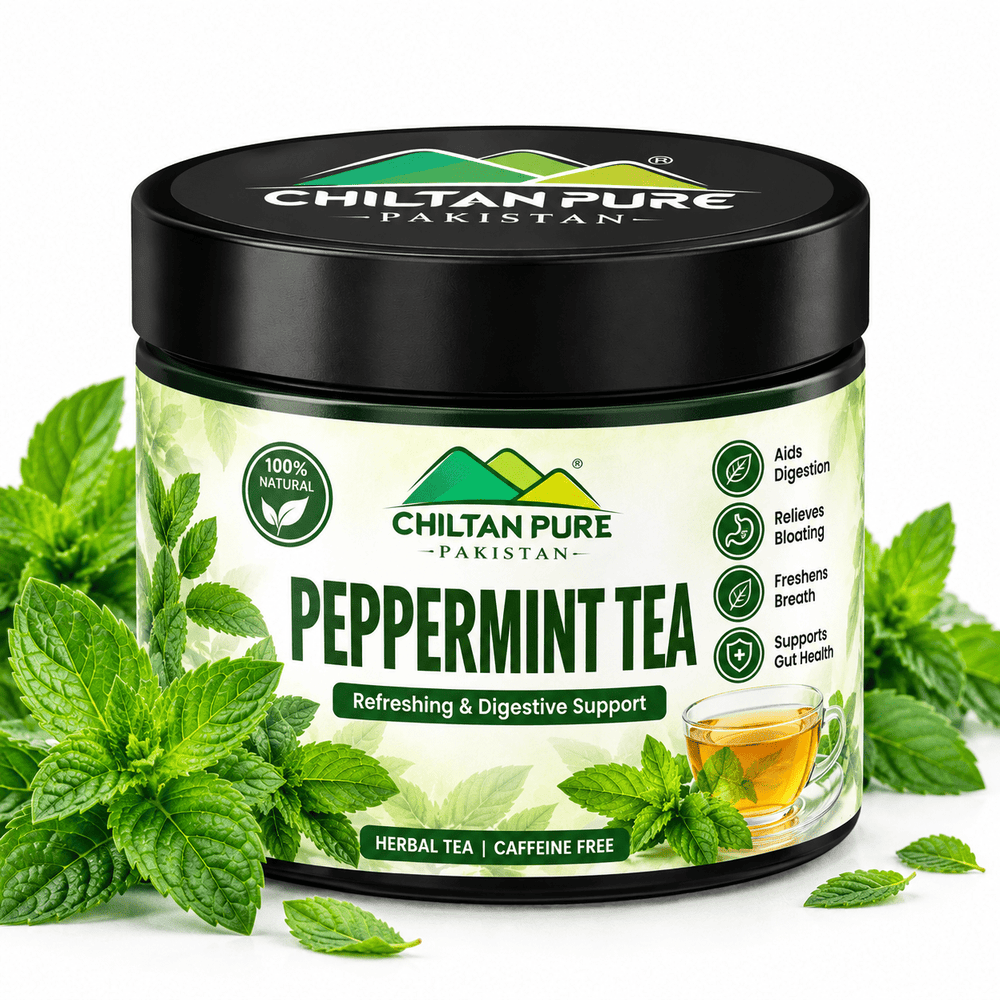
Explore on ChiltanPure: Fill a flask with Peppermint Tea before you head out. It is a caffeine-free, refreshing drink to sip on a park bench or a mountain trail.

4. Protect Your Sleep
Stress and sleep influence each other. Stress makes it harder to sleep, and poor sleep makes you more sensitive to stress the next day. Most adults need 7 to 9 hours of sleep per night.
Build a calming bedtime routine:
- Keep a consistent sleep and wake time, even on weekends.
- Stop using screens 45 to 60 minutes before bed. Blue light and endless scrolling keep your mind alert.
- Keep your bedroom cool, dark and quiet.
- Avoid caffeine after mid-afternoon.
- Avoid heavy meals late at night.
- Do something relaxing for 20 minutes, such as reading, light stretching or listening to soft music.
If your mind keeps racing at night, write your worries on paper before bed (see Way 11). It tells your brain that the thoughts are safely stored and can wait until morning.
Explore on ChiltanPure: Make a warm cup of Sleep Tea part of your wind-down routine. It is an herbal bedtime blend made for the evening. If you prefer a floral flavour, Lavender Tea is another calming option.

5. Create a Calming Herbal Tea Ritual
Sometimes stress relief is less about the drink and more about the pause. Making tea forces you to slow down, wait, breathe in the steam and sit down for a few minutes. That mini-ritual alone can interrupt a stressful day.
Traditional herbal teas are enjoyed around the world for their soothing character. Chamomile is the best known. Some small clinical studies have suggested that chamomile may help with mild anxiety and sleep quality, although more research is needed and results vary from person to person. Other popular calming choices include peppermint, fennel, lemongrass and green tea (which also contains L-theanine, an amino acid associated with relaxed alertness).
How to build your tea ritual:
- Choose a fixed time, such as after dinner or before bed
- Use your favourite cup
- Sit down, put the phone away and take slow sips
- Add a small spoon of natural honey instead of refined sugar if you like it sweet
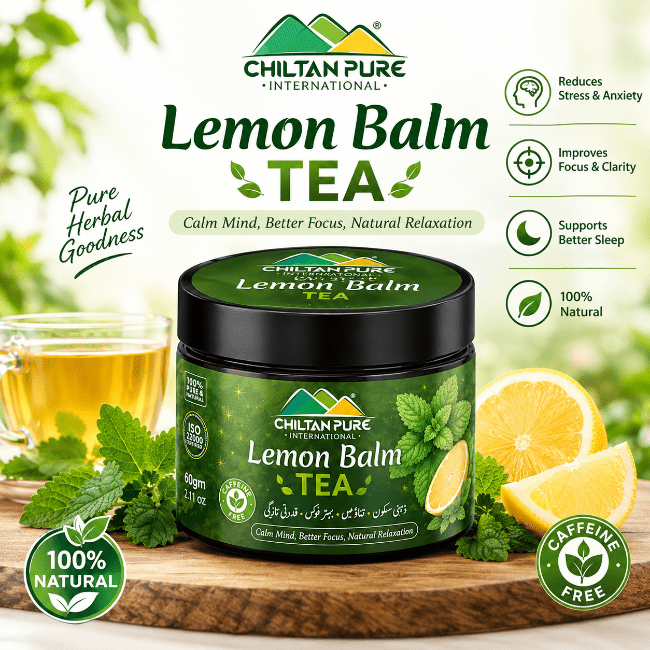
Explore on ChiltanPure: Try Chamomile Tea for a classic soothing cup, Lemon Balm Tea for a light citrus aroma, or Relax Tea, a blend of calming herbs. For a natural sweetener, a spoon of Sidr Beri Honey works nicely.

6. Use Aromatherapy and Calming Scents
Smell is directly connected to the brain areas that handle emotion and memory, which is why a familiar scent can quickly influence how you feel. Aromatherapy is widely used as a complementary relaxation practice, and lavender in particular has been studied for its calming effects. The research is still developing, but many people find scent to be a comforting part of winding down.
Simple ways to use scent for stress relief:
- Add a few drops of essential oil to a diffuser in the evening
- Dilute essential oil in a carrier oil before applying it to the skin (never apply undiluted oils directly, and do a patch test first)
- Light an aromatic candle while you read or journal
- Use a body mist or aromatherapy perfume as a "calm cue" before bed or before a stressful event
- Place a few drops on a tissue and breathe slowly when you feel tense
Explore on ChiltanPure: Rosemary Essential Oil is a popular aromatic oil that you can diffuse or dilute in a carrier oil. It is available in 20ml and 100ml sizes.
A note on safety: Essential oils are potent. Keep them away from children and pets, avoid contact with eyes, and speak to a doctor first if you are pregnant, breastfeeding or have a medical condition.

7. Take a Warm Bath or Enjoy a Self-Massage
Warmth relaxes tight muscles, and gentle touch signals safety to your nervous system. A warm bath in the evening can also help your body temperature drop afterwards, which supports falling asleep.
Make it a mini spa ritual:
- Dim the lights and play soft music
- Add bath salts to warm (not scalding) water
- Soak for 15 to 20 minutes
- Follow with a few minutes of self-massage on your neck, shoulders, hands and feet using a nourishing body oil or cream
No time for a full bath? Soak your feet in warm water for 10 minutes, or massage your temples and the base of your skull with slow circular motions.
Explore on ChiltanPure: Use the Hand & Foot Glowing Cream for a relaxing hand and foot massage after your bath. For a scalp massage, which many people find deeply relaxing, try the Rapunzel Hair Oil and use slow circular motions with your fingertips.

8. Eat for a Steady Mood and Steady Energy
What you eat affects how you feel. Skipping meals and relying on sugary snacks causes energy spikes and crashes that can make you feel more anxious and irritable. Eating balanced meals at regular times helps keep blood sugar and mood more stable.
Foods that support a stress-friendly diet:
- Seeds and nuts: Pumpkin seeds are a good source of magnesium and zinc, minerals involved in nerve and muscle function. Almonds, walnuts and flax seeds add healthy fats, fibre and protein.
- Whole grains and fibre: Multi-grain flour, oats and brown rice release energy slowly and keep you full for longer.
- Fruits and vegetables: Rich in vitamins, minerals and antioxidants. Aim for a variety of colours each day.
- Protein: Eggs, lentils, yoghurt, chicken and fish help keep your energy steady and support the production of mood-related brain chemicals.
- Healthy fats: Traditional desi ghee in moderation, olive oil, nuts and seeds support satiety and nutrient absorption.
- Fermented and gut-friendly foods: Yoghurt and other fermented foods support digestion. There is growing research on the connection between the gut and the brain, and many people notice that stress and digestion are closely linked.
Magnesium and mood are an active area of research, and the evidence is mixed, so think of these foods as part of an overall healthy pattern rather than a quick fix.
Easy stress-smart snack idea: Mix a handful of seeds and nuts with a few chopped dates for a balanced, no-crash snack.
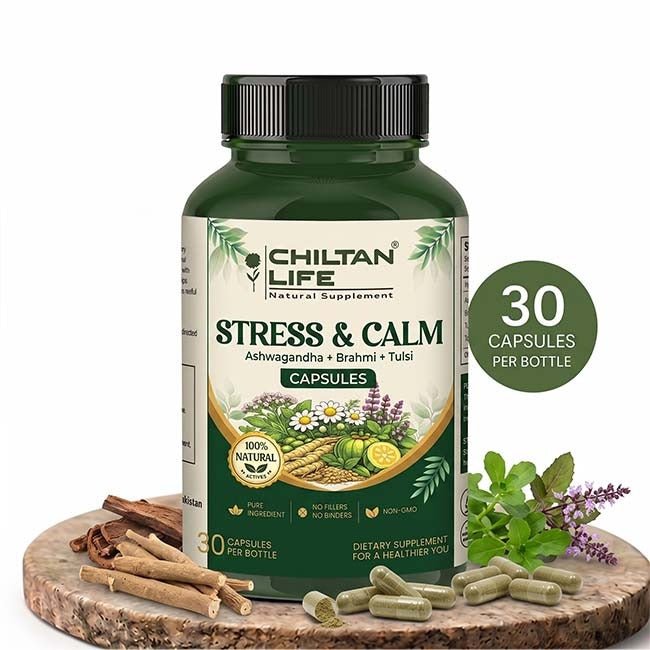
Explore on ChiltanPure: Check out Pumpkin Seeds and the Mix Seeds blend for easy snacking. For everyday cooking, the Multi Grain Atta and Desi Ghee are popular pantry staples. If you want to add a supplement to your daily wellness routine, the Stress & Calm Capsule is a botanical-based dietary supplement in a 500mg format, with 30 capsules per bottle. Check the ingredient list on the packaging and follow the serving instructions.

9. Reduce Caffeine and Sugar Spikes
Caffeine increases alertness, but it also stimulates the same body systems that stress activates. For sensitive people, too much caffeine can cause jitters, a racing heart and trouble sleeping, which feeds back into stress.
Practical tips:
- Stay within a moderate intake. Health agencies commonly suggest up to about 400 mg of caffeine a day for most healthy adults, which is roughly 3 to 4 cups of brewed coffee. Many people feel better with less.
- Avoid caffeine in the afternoon and evening.
- Replace one cup of tea or coffee with water or herbal tea.
- Cut back on sugary drinks and energy drinks, which can cause energy crashes.
- Pair sweet snacks with protein or fibre to slow the sugar spike.
If you cut caffeine, reduce it gradually. Stopping suddenly can cause headaches and tiredness for a few days.
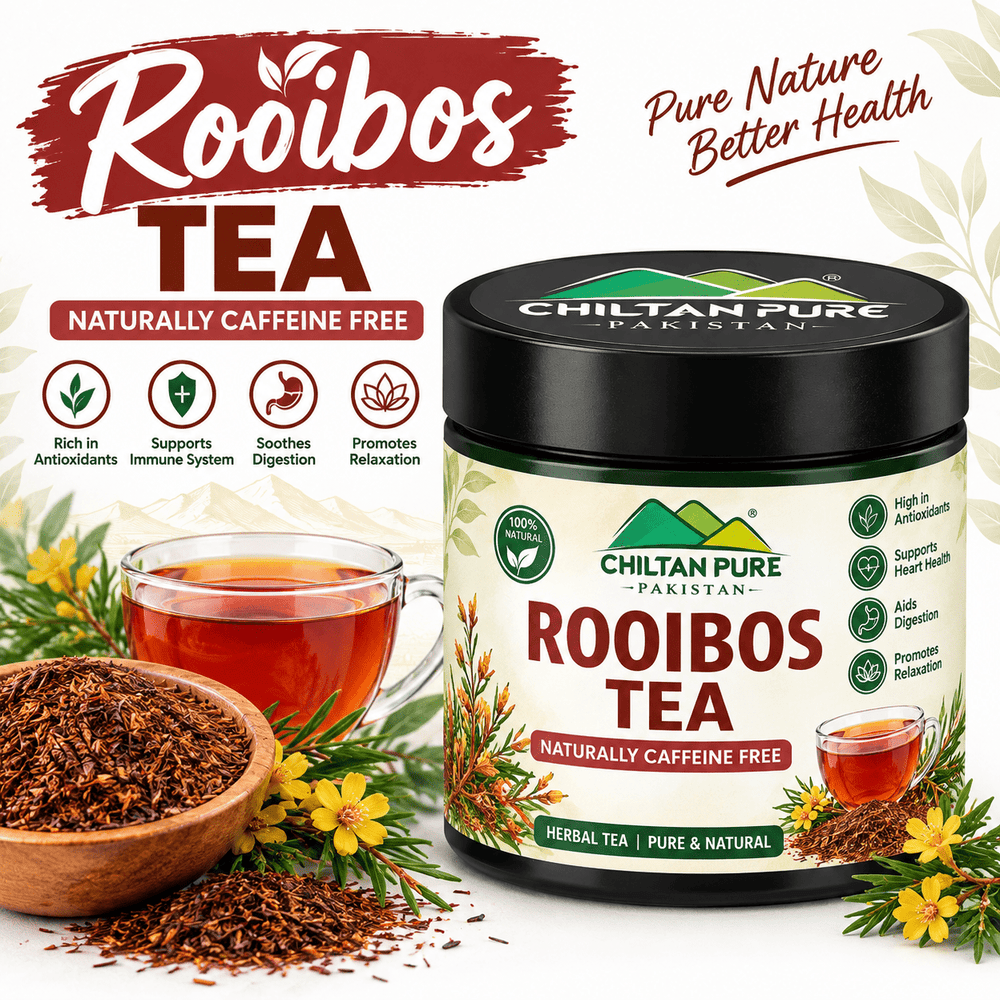
Explore on ChiltanPure: If you want to cut back on caffeine without giving up your tea habit, try Rooibos Tea. It is naturally caffeine-free, with a smooth, mellow taste and a warm red-amber colour.

10. Practise Mindfulness and Meditation
Mindfulness means paying attention to the present moment without judging it. Research on mindfulness-based programmes has shown benefits for stress, anxiety and overall wellbeing, and you do not need any special equipment to start.
A 5-minute beginner practice:
- Sit comfortably and close your eyes or soften your gaze.
- Notice the feeling of your breath entering and leaving your body.
- When your mind wanders (it will), gently bring your attention back to the breath.
- Do not try to "clear" your mind. Simply notice and return.
Other mindful options:
- Mindful eating: eat one meal without screens and notice the taste and texture
- A body scan: slowly move your attention from your head to your toes
- Prayer, dhikr, reflection or gratitude practice, whichever is meaningful in your own life
- Mindful walking: feel your feet touch the ground with each step
Starting with just 5 minutes a day is better than planning 30 minutes and never doing it.
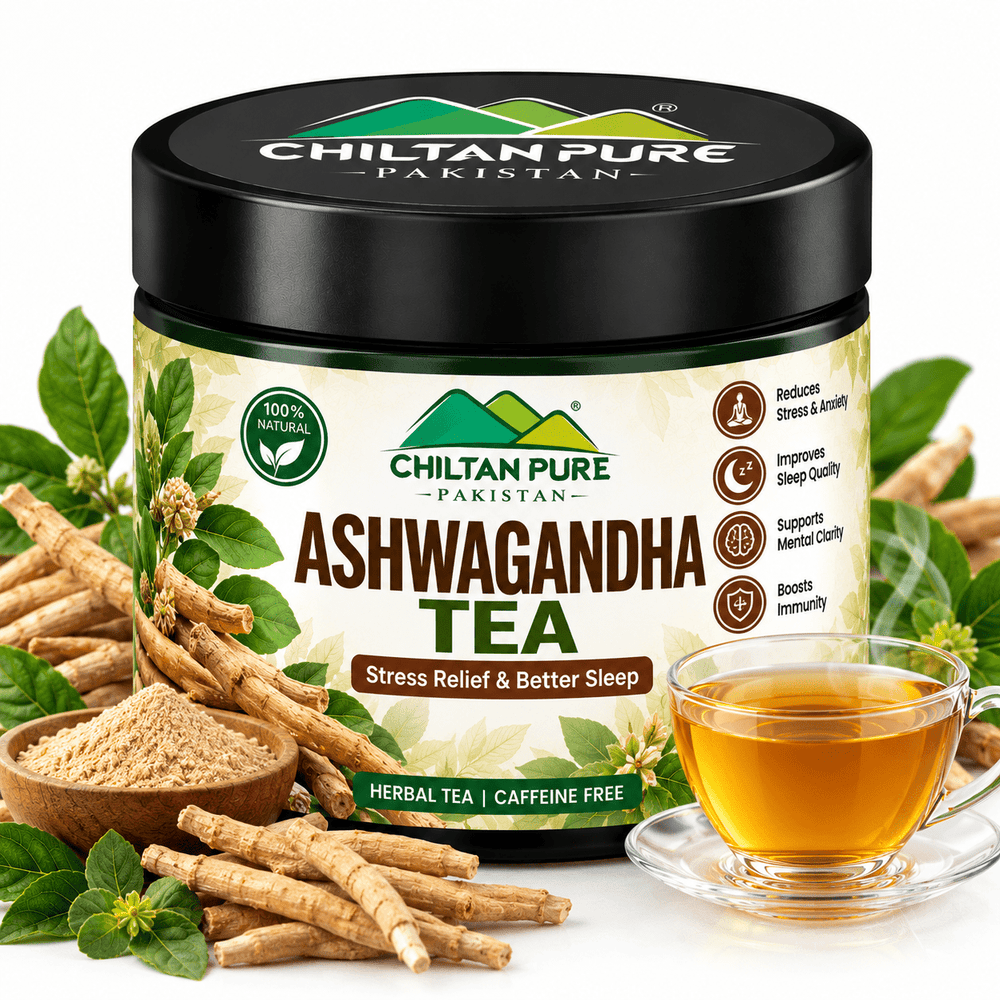
Explore on ChiltanPure: Turn your evening tea into a mindful moment with Ashwagandha Tea, a caffeine-free herbal infusion with an earthy character. Ashwagandha is not suitable for everyone, so check with your doctor first if you are pregnant, breastfeeding or taking medication.

11. Write It Down: Journaling and Brain Dumps
When worries stay in your head, they loop endlessly. Writing them down moves them out of your mind and onto paper, where they are easier to organise and solve. Studies on expressive writing suggest that writing about stressful experiences can help people process emotions and feel calmer over time.
Three easy journaling methods:
- Brain dump: Set a timer for 5 minutes and write everything on your mind without editing.
- Worry list and action list: Divide a page into two columns. In one, list the worries. In the other, write one small action you can take for each. For worries you cannot control, write "let go."
- Gratitude journal: Each night, write 3 things that went well, however small. This trains your attention to notice positives and is a well-known habit in positive psychology.
Keep a notebook and pen near your bed or desk so the habit is easy to start.
Explore on ChiltanPure: Keep a cup of Love Tea beside your notebook. It is a gentle herbal blend with soft floral notes of rose and jasmine, which makes it a pleasant companion for quiet writing time.

12. Stay Connected and Set Healthy Boundaries
Humans are social beings. Talking with a trusted friend, family member or mentor can lower stress and help you see a problem from a fresh angle. Strong social support is consistently linked with better mental and physical health.
Ways to build connection:
- Call or meet one person you trust each week
- Share what you are feeling instead of saying "I'm fine"
- Join a community, class, sports group or volunteering activity
- Laugh together, because laughter relaxes muscles and lifts mood
- Ask for help early instead of waiting until you are overwhelmed
Boundaries matter too. Chronic stress often comes from overcommitting. Practise saying "no" politely, protect time for rest, and avoid working through every break. You can also limit your exposure to stressful news and social media. Try checking news at set times only, and turn off non-essential notifications.
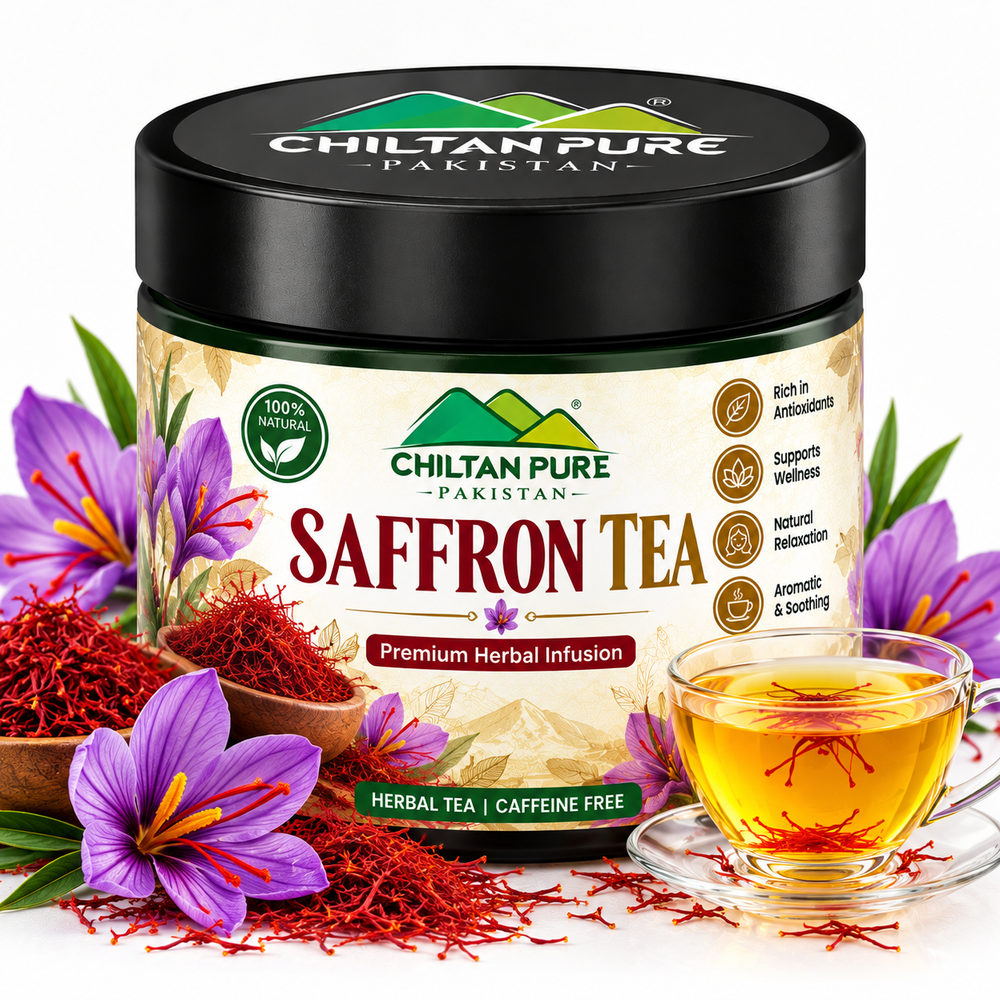
Explore on ChiltanPure: Catching up is easier over a pot of tea. Saffron Tea is a premium, caffeine-free herbal infusion with a distinctive saffron aroma, which makes it an elegant choice to serve to family and friends, even in the evening.

Bonus Tips: Small Habits That Make a Big Difference
- Make a to-do list with three priorities. Focus on the three tasks that matter most each day.
- Break big tasks into small steps. A huge goal creates anxiety, while a small step creates momentum.
- Take micro-breaks. Stand, stretch and breathe for 2 minutes every hour.
- Listen to calming music. Slow music can help the body relax.
- Spend time on a hobby. Cooking, gardening, drawing, reading or crafts provide a healthy mental escape.
- Cook a comforting meal. Preparing food is an active, grounding activity for many people.

Your 7-Day Stress Relief Starter Plan
You do not have to do all 12 ways at once. Try this simple plan for one week and notice how you feel.
- Day 1: Practise 3 minutes of slow breathing, morning and evening.
- Day 2: Take a 20-minute walk outdoors.
- Day 3: Replace your evening coffee or sugary drink with a warm herbal tea and sit down to enjoy it.
- Day 4: Do a 5-minute brain dump before bed and put your phone away 45 minutes before sleep.
- Day 5: Prepare a balanced snack with seeds, nuts and fruit, and eat your meals at regular times.
- Day 6: Take a warm bath or foot soak with a calming scent, and add a short self-massage.
- Day 7: Meet or call someone you trust, then spend 5 minutes on mindful breathing or reflection.
At the end of the week, write down which habits helped most, and keep those going.

Common Stress Relief Mistakes to Avoid
- Relying only on quick fixes. Scrolling, snacking or binge-watching may distract you but rarely solve the cause.
- Skipping sleep to "get more done." Less sleep makes stress harder to manage.
- Expecting instant results. Habits take a few weeks to settle in.
- Doing everything at once. Start with two or three habits and build gradually.
- Ignoring warning signs. Persistent stress deserves attention, not endurance.

When to Seek Professional Help
Natural stress relief tools are helpful for everyday pressure, but some situations need professional support. Speak to a doctor or a licensed mental health professional if you:
- Feel constantly anxious, hopeless or overwhelmed for more than two weeks
- Have panic attacks, chest pain or trouble breathing
- Notice major changes in sleep or appetite that do not improve
- Rely on alcohol, tobacco or other substances to cope
- Find it difficult to work, study or care for yourself or others
- Have thoughts of harming yourself
If you ever feel you may be in danger, contact your local emergency services or a trusted person right away. Asking for help is a sign of strength, and effective treatments are available.

Conclusion
Stress is a part of life, but it does not have to control it. The best approach is not one dramatic change but a collection of small, repeatable habits: breathe slowly, move daily, get outside, protect your sleep, eat regular balanced meals, wind down with a calming ritual and stay connected to people you trust.
At ChiltanPure, we believe that wellness begins with simple, natural choices. Whether you are building an evening tea ritual, stocking your kitchen with wholesome seeds and nuts, or creating a relaxing corner at home with calming scents and a warm cup of tea, you can find thoughtfully selected natural products to support your daily routine. Visit ChiltanPure to explore our full range of organic food, herbal products, wellness essentials and personal care, with delivery across Pakistan.
Start with one or two ideas from this guide today, and build from there. Your calm is worth the effort.
Frequently Asked Questions
What is the best natural way to relieve stress quickly?
Slow, deep breathing is the quickest natural method. Inhale for 4 seconds and exhale for 6 to 8 seconds for 2 to 5 minutes. A short walk, stretching, or stepping outside for fresh air can also help within minutes.
How can I relieve stress at home without medicine?
You can reduce stress at home with breathing exercises, light exercise, a warm bath, calming scents, herbal tea, journaling, music and a regular sleep routine. These habits work best when you practise them daily.
Which foods help reduce stress?
Balanced meals that include whole grains, fruits, vegetables, protein, seeds, nuts and healthy fats help keep your energy and mood steady. Pumpkin seeds, almonds, walnuts, dates and multi-grain foods are popular choices. No single food cures stress, so focus on your overall eating pattern.
Does herbal tea really help with stress?
Many people find herbal tea relaxing, and part of the benefit comes from the calming ritual of pausing and sipping slowly. Some herbs, such as chamomile, have been studied for mild anxiety and sleep, but results vary. Herbal tea is a supportive habit, not a cure, and you should check with a doctor if you take medication or are pregnant.
How long does it take to feel less stressed?
Breathing and movement can reduce tension within minutes. Habits such as better sleep, mindfulness and regular exercise often take a few weeks of consistent practice before you notice stronger changes.
Can stress cause physical symptoms?
Yes. Stress can contribute to headaches, muscle tension, stomach upset, fatigue, changes in appetite and trouble sleeping. If physical symptoms are severe or persistent, see a doctor to rule out other causes.
What is the difference between stress and anxiety?
Stress is usually a response to an external pressure, such as a deadline or a conflict, and tends to ease when the situation passes. Anxiety is persistent worry that can continue even without a clear cause. They can overlap, and if worry is constant or interferes with daily life, professional support can help.
Are essential oils safe for stress relief?
Essential oils are generally safe when used correctly, which means diluting them in a carrier oil for skin use, doing a patch test and keeping them away from children and pets. People who are pregnant, breastfeeding or managing a medical condition should consult a doctor first.
Medical disclaimer: This article is for general information and education only. It is not medical advice and does not replace consultation with a qualified healthcare professional. Always speak to your doctor before changing your diet, using herbal products or essential oils, especially if you are pregnant, breastfeeding, taking medication or have a medical condition.