![Red Onion Oil 🧅 Reduces Hair Fall & Accelerates Hair Regrowth [پیاز کا تیل].. Trending.... 🔥 - ChiltanPure](http://chiltanpure.com/cdn/shop/products/red-onion-oil-reduces-hair-fall-amp-accelerates-hair-regrowth-piaz-ka-til-trending-394813_640x.jpg?v=1707464619)
![Red Onion Oil 🧅 Reduces Hair Fall & Accelerates Hair Regrowth [پیاز کا تیل].. Trending.... 🔥 - ChiltanPure](http://chiltanpure.com/cdn/shop/products/red-onion-oil-reduces-hair-fall-amp-accelerates-hair-regrowth-piaz-ka-til-trending-329640_1170x.jpg?v=1708127491)





Hair Fall Solutions: Causes, Remedies and a Complete Plan to Stop Hair Loss

Finding more hair on your pillow, in the shower drain or on your brush can be worrying, but hair fall is one of the most treatable hair concerns once you know what is behind it. This guide explains the real causes and gives you practical solutions you can start today, from home remedies and hair oils to diet, shampoo choices and medical treatments.
The best hair fall solution is to find the cause first, then fix it with the right mix of nutrition, scalp care and, when needed, medical treatment. Losing 50 to 100 hairs a day is normal. Losing more, or noticing thinning, a widening part or bald patches, usually points to nutrient deficiencies (iron, vitamin D, zinc, protein), stress, hormonal changes, thyroid problems, scalp infections or genetics.
A routine that works for most people has five steps:
-
Get blood tests done (ferritin, vitamin D, B12, thyroid) to rule out deficiencies.
-
Eat enough protein, iron and healthy fats every day.
-
Massage your scalp with a nourishing oil two to three times a week.
-
Use a gentle, scalp-balancing shampoo and limit heat and harsh chemical treatments.
-
Stay consistent for 3 to 6 months, because hair grows in cycles and results take time.
If your hair fall is sudden, severe or patchy, see a dermatologist. Home care supports healthy hair, but it cannot replace treatment for a medical cause.
What Is Normal Hair Fall and What Is Not?
Hair fall means hair shedding from the root, while hair breakage means strands snapping along the length. Both reduce hair density, but they need different solutions.
Everyone loses hair. The average scalp has around 100,000 hairs, and shedding 50 to 100 strands a day is part of natural renewal. A few hairs on your pillow, in the shower drain and on your brush are expected.
Hair fall becomes a concern when you notice any of the following:
-
Clumps of hair coming out when you wash or comb
-
A visibly thinner ponytail
-
A wider parting or a receding hairline
-
Round or patchy bald spots
-
Hair breaking mid-length rather than falling from the root
-
Itching, burning, redness or flaking on the scalp along with shedding
Simple pull test: Gently hold about 50 to 60 hairs between your fingers and slide your hand down the length. If more than 6 hairs come out, you may be experiencing excessive shedding. This is only a rough guide and not a diagnosis.
Root or breakage? Look at the end of a fallen hair. A small white bulb means the hair fell from the root as part of the shedding cycle. No bulb, with a short or uneven strand, means breakage. Breakage is a damage problem and needs less heat, less friction and more conditioning.

How Does the Hair Growth Cycle Work?
Each hair moves through three main phases, and hair fall happens when too many hairs enter the last phase at the same time.
-
Anagen (growth phase): Hair actively grows from the follicle for 2 to 7 years.
-
Catagen (transition phase): Growth stops and the follicle shrinks, which takes about 2 weeks.
-
Telogen (rest and shed phase): Hair rests for about 3 months, then falls out so a new one can grow.
At any time, roughly 85 to 90 percent of your hair is in the growth phase. When a trigger pushes many hairs into the resting phase at once, you see sudden heavy shedding about 2 to 3 months later. This is called telogen effluvium, and it is one of the most common reasons people search for hair fall solutions.
The good news is that in most cases of telogen effluvium, the follicles are not destroyed. Once the trigger is removed, hair usually regrows over several months.

What Causes Hair Fall?
The main causes of hair fall are nutritional deficiencies, stress, hormonal changes, genetics, scalp conditions, illness or medication, damaging hair habits and autoimmune conditions. Many people have more than one cause at the same time.
1. Nutritional Deficiencies
Hair is one of the first things your body deprioritises when nutrients run low. The most common deficiencies linked to hair fall include:
-
Iron and ferritin: Low iron stores are one of the most frequent findings in women with diffuse hair fall.
-
Vitamin D: Plays a role in follicle cycling, and low levels are very common in South Asia.
-
Zinc: Needed for tissue repair and hair follicle function.
-
Vitamin B12 and folate: Important for cell division in fast-growing tissues like hair follicles.
-
Protein: Hair is made of keratin, a protein, and a diet too low in protein can trigger shedding.
Crash diets, skipped meals, vegetarian diets without careful planning, and long periods of low calorie intake are common triggers.
2. Stress and Emotional Strain
Severe physical or emotional stress can push hairs into the resting phase early. Exams, job pressure, grief, family conflict or long-term anxiety can all contribute. Stress-related hair fall is usually temporary, but it can last longer if the stress continues.
3. Hormonal Changes
Hormones strongly influence the hair cycle. Common hormonal causes include:
-
Pregnancy and postpartum: Many women experience heavy shedding 2 to 4 months after delivery as hormone levels fall.
-
PCOS (polycystic ovary syndrome): Higher androgen levels can thin hair at the crown and part line.
-
Thyroid disorders: Both underactive and overactive thyroid can cause diffuse thinning.
-
Menopause: Falling oestrogen can reduce hair density.
4. Genetics (Androgenetic Alopecia)
Pattern hair loss runs in families. In men, it often shows as a receding hairline and thinning crown. In women, it usually shows as a widening part and reduced volume on top. It is driven by follicle sensitivity to a hormone called DHT, and it tends to progress slowly over time.
5. Scalp Conditions
A scalp that is inflamed, infected or clogged cannot support healthy hair. Common problems include:
-
Dandruff and seborrheic dermatitis
-
Fungal infections such as tinea capitis
-
Folliculitis (inflamed follicles)
-
Excess oil and buildup that block follicles
If flaking and itching are part of your problem, a dedicated formula such as the ChiltanPure Anti-Dandruff Shampoo can help keep the scalp clean while you find the underlying cause.
6. Illness, Fever and Medication
High fever, typhoid, dengue, COVID-19, major surgery and other illnesses can trigger shedding a few months later. Some medicines, including certain blood thinners, antidepressants, acne treatments and chemotherapy drugs, can also cause hair fall. Never stop a prescribed medicine without talking to your doctor.
7. Hair Care Habits
Hair can also fall or break because of how it is treated:
-
Frequent heat styling (straighteners, curling irons, blow dryers on high heat)
-
Chemical treatments such as bleaching, colouring and rebonding
-
Tight hairstyles like ponytails, buns and braids that pull on the roots (traction alopecia)
-
Aggressive towel drying or brushing wet hair
-
Using harsh shampoos that strip the scalp
8. Autoimmune Conditions
In alopecia areata, the immune system attacks hair follicles and causes sudden round bald patches. This needs a dermatologist's evaluation.

Which Hair Fall Solution Is Right for You?
The right solution depends on the cause. Use this table to find your starting point.
| Likely cause | Typical signs | Where to start |
|---|---|---|
| Nutritional deficiency | Diffuse thinning, tiredness, brittle hair | Blood tests, a protein-rich and iron-rich diet, supplements only if deficient |
| Stress or illness (telogen effluvium) | Sudden heavy shedding 2 to 3 months after the event | Stress management, good nutrition, gentle hair care, patience |
| After childbirth | Shedding 2 to 4 months after delivery | Nutrition, rest, gentle scalp care; it usually resolves on its own |
| Pattern hair loss | Widening part, receding hairline, thinning crown | See a dermatologist early; medical treatment plus scalp care |
| Dandruff or scalp irritation | Itching, flakes, redness | Anti-dandruff shampoo, regular washing, diluted tea tree oil |
| Breakage | Short, uneven hairs with no white bulb | Less heat, pre-wash oiling, conditioning masks |
| Round, smooth bald patches | Sudden patches of hair loss | Dermatologist evaluation |
Hair Fall in Women vs Men
Women more often see diffuse thinning linked to iron, thyroid and hormones, while men more often see a receding hairline and crown thinning linked to genetics.
In women, the common triggers are iron deficiency, thyroid problems, PCOS, pregnancy, stress and crash diets. The outlook is often good once the cause is treated.
In men, the common triggers are genetics (DHT), stress, poor sleep and scalp conditions, and the loss is often gradual.
Hair Fall Solutions for Women
-
Test ferritin, vitamin D, B12 and thyroid, especially if you have heavy periods, irregular cycles or recently gave birth.
-
Be patient after pregnancy, since postpartum shedding usually settles within 6 to 12 months.
-
Loosen ponytails and buns, and avoid sleeping with tight hair.
-
Ask a dermatologist about treatment if your part line is widening, since female pattern hair loss responds best to early care.
Hair Fall Solutions for Men
-
See a dermatologist early if your hairline is receding, because treatments work better on follicles that have not yet shrunk.
-
Keep the scalp clean, especially in hot weather or if you wear caps or helmets often, since sweat and oil can lead to dandruff and irritation.
-
Do not rely on oils alone for genetic hair loss, and ask a doctor about proven treatments.
-
Watch stress, sleep and diet, which affect shedding in both men and women.
Whatever your gender, the earlier you act, the better the results. Follicles that have shrunk for many years are much harder to revive than follicles that are only recently weakened.

Which Local Factors in Pakistan Make Hair Fall Worse?
Hair fall in Pakistan is often worsened by local factors such as hard water, long hot summers, pollution, dry winters, and diets low in protein and iron.
-
Hard Water: Many cities have water high in minerals. Hard water may leave residue on the scalp and make hair dry and more prone to breakage. A mild acidic rinse or a clarifying shampoo can help.
-
Heat and Sweat: Hot summers mean more sweat and oil on the scalp, which can lead to clogged follicles, dandruff and fungal growth if you do not wash regularly.
-
Dust and Smog: Pollution settles on the scalp and hair and can irritate the skin. Covering hair outdoors and washing regularly helps.
-
Dry Winters: Cold, dry air strips moisture from hair and scalp, causing flaking and breakage.
-
Dietary Patterns: Diets heavy in refined flour, tea and fried food but low in protein, leafy greens and fruit can lead to deficiencies. Vitamin D deficiency is also widespread, even in sunny regions, because of indoor lifestyles and clothing coverage.
-
Skipped Breakfast and Irregular Meals: These contribute to low protein and iron intake, especially in students and working professionals.

How Do You Find Out Why You Are Losing Hair?
The most reliable way is a doctor's assessment and a few blood tests. A doctor will usually start with your history (diet, stress, recent illness, medication, family history) and a scalp examination. Depending on your situation, they may suggest:
-
Complete blood count (CBC)
-
Serum ferritin and iron studies
-
Vitamin D (25-OH)
-
Vitamin B12 and folate
-
Thyroid profile (TSH, T3, T4)
-
Zinc
-
Hormone panel (for women with irregular periods or signs of PCOS)
Keep a simple hair diary for a few weeks. Note how many hairs you see after washing, any new stressors, and changes in diet or medication. This helps your doctor and helps you notice what works.

Hair Fall Solutions: 10 Remedies You Can Start at Home
1. Scalp Massage
Scalp massage is the simplest hair fall solution because it needs nothing but your fingers and a few minutes. Research suggests that regular scalp massage can increase hair thickness over time. Massage may also lower stress, which is one of the biggest hidden triggers of shedding. Many people notice a healthier, less tight scalp within a few weeks.
-
Use the pads of your fingers, never your nails.
-
Make small circles from the hairline to the crown with light to medium pressure.
-
Massage for 5 to 10 minutes daily, or apply oil and massage twice a week.
Tip: Warm a few drops of ChiltanPure Tulsi Oil between your palms before massaging. Tulsi oil is traditionally used for scalp care, and the warmth makes the massage more relaxing.

2. Rosemary Oil
Rosemary oil is one of the few natural hair fall solutions with clinical support. Research has found that it can improve hair count in people with pattern hair loss after about six months, with results comparable to 2 percent minoxidil. Participants using rosemary also reported less scalp itching. It must always be diluted, because undiluted essential oil can irritate or burn the scalp.
-
Mix 3 to 5 drops of rosemary essential oil into 1 tablespoon of carrier oil.
-
Massage into the scalp and leave for 30 to 60 minutes.
-
Wash with a mild shampoo and repeat 2 to 3 times a week.
Tip: Blend ChiltanPure Rosemary Essential Oil with ChiltanPure Jojoba Oil for oily scalps, or with ChiltanPure Coconut Oil for dry scalps. Patch test on your inner arm first, and check with your doctor before use if you are pregnant, breastfeeding or have a medical condition.

3. Onion Juice
Onion juice is rich in sulfur compounds, and sulfur is part of keratin, the protein that hair is made of. Early research on patchy hair loss (alopecia areata) reported regrowth with regular application, although larger studies are still needed. The smell is strong, but many people find the results worth it. It is best used once or twice a week rather than daily.
-
Blend one onion and strain the juice through a clean cloth.
-
Apply to the scalp with a cotton pad and leave for 20 to 30 minutes.
-
Rinse with lukewarm water and shampoo twice to remove the smell.
Tip: Follow up with the ChiltanPure Caffeine Shampoo to cleanse thoroughly. Stop immediately if you feel burning or redness.

4. Aloe Vera
Aloe vera calms the scalp, adds moisture and may help reduce flaking that can weaken the roots. A soothed, balanced scalp is a much better environment for hair to grow. It is gentle enough for weekly use and suits most hair types. Fresh gel from the leaf is the easiest option.
-
Scoop fresh gel from the leaf and apply it to the scalp and lengths.
-
Leave for 30 minutes, then rinse with cool water.
-
Use once or twice a week.
Tip: On wash days, use the ChiltanPure Aloe Vera Shampoo so the soothing care continues after the mask.

5. Amla (Indian Gooseberry)
Amla is one of the richest natural sources of vitamin C and antioxidants. Vitamin C supports collagen, which is part of the structure around the hair follicle, and it also helps your body absorb iron from food. Amla is used in many traditional hair oils and masks for stronger, shinier hair. Eating it fresh also adds vitamin C to your daily diet.
-
Mix 2 tablespoons of amla powder with yoghurt or water into a paste.
-
Apply to the scalp and hair for 20 to 30 minutes.
-
Rinse thoroughly, as the powder can feel gritty.
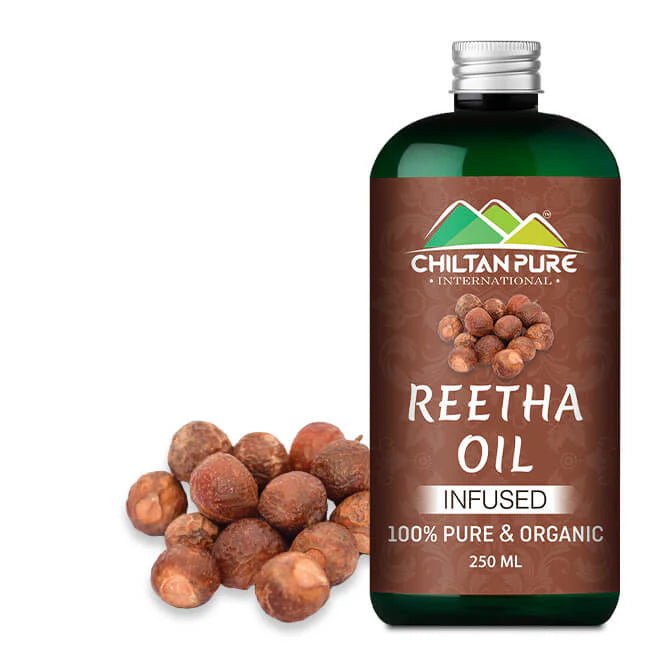
Tip: Massage ChiltanPure Reetha Oil into your scalp before the mask. Reetha is traditionally used to cleanse the scalp and strengthen hair, so the two work well together.

6. Coconut Oil Pre-Wash Treatment
Coconut oil is one of the best studied oils for hair. Research shows that when used before washing, it reduces protein loss from the hair shaft, which means fewer broken strands. It is especially helpful for dry, frizzy or chemically treated hair. It is a simple solution when your hair fall is mostly breakage.
-
Warm a small amount of oil in your palms.
-
Massage into the scalp and apply along the lengths.
-
Leave for 1 to 2 hours, then shampoo.
Tip: Use ChiltanPure Coconut Oil as your base oil. It is also an ideal carrier for rosemary and tea tree oils. If your scalp is oily or flaky, keep the time on the scalp short.

7. Pumpkin Seed Oil
Pumpkin seed oil contains vitamin E and plant sterols that may help block DHT, the hormone linked to pattern hair loss. In research on men with mild to moderate pattern hair loss, those who took pumpkin seed oil capsules for 24 weeks had a clear increase in hair count compared with placebo. Evidence for topical use is less established, but it is a nourishing scalp oil. It is a good option if your hair is thinning at the crown.
-
Massage a few drops into the scalp.
-
Leave for at least 1 hour before washing.
-
Use 2 to 3 times a week.
Tip: ChiltanPure Pumpkin Seed Oil is rich, so a little goes a long way. Mix a few drops into your regular hair oil for a nutrient boost.

8. Castor Oil
Castor oil is a thick, moisturising oil that has been used for hair and brows for generations. There is little scientific proof that it regrows hair, but it coats the strands, keeps the scalp moisturised and helps reduce breakage. Because it is heavy, it works best when blended with a lighter oil. It suits dry scalps and brittle hair most.
-
Mix 1 part castor oil with 2 parts of a lighter oil such as coconut or almond.
-
Massage into the scalp and leave for an hour or more.
-
Shampoo thoroughly, and use sparingly if your scalp is oily.
Tip: ChiltanPure Castor Oil blends well with ChiltanPure Almond Oil for an easy, deeply conditioning mix.

9. Mustard Oil
Mustard oil is a traditional choice in many Pakistani homes, especially in winter. It is warming, rich in fatty acids and helps fight the dryness that cold weather brings to the scalp. It is heavy and has a strong aroma, so it should be washed out properly. Some people with sensitive skin find it irritating, so a patch test is wise.
-
Warm gently, never hot, and massage into the scalp.
-
Leave for 30 to 60 minutes.
-
Shampoo twice if needed to remove the residue.
Tip: ChiltanPure Mustard Oil is best kept for winter oiling. In summer, switch to lighter oils such as jojoba or almond.

10. Apple Cider Vinegar Rinse
A diluted apple cider vinegar rinse helps remove product buildup and the mineral residue left by hard water. It also brings the scalp closer to its naturally slightly acidic pH, which can leave hair smoother and shinier. A cleaner scalp means fewer blocked follicles and less itching. This is a practical solution in cities where water is hard.
-
Mix 1 to 2 tablespoons of apple cider vinegar in about 250 ml of water.
-
Pour over the scalp after shampooing and leave for 1 to 2 minutes.
-
Rinse well, and never use it undiluted.
Tip: If you want the benefit without mixing, wash with the ChiltanPure Apple Cider Vinegar Shampoo, which is designed to clarify oily scalps and remove buildup.

Which Hair Oil Is Best for Hair Fall?
There is no single best oil for everyone. The right choice depends on your scalp type, your climate and your goal, and the table below gives a quick guide.
| Oil | Best for | Why it helps | Use tip |
|---|---|---|---|
| Rosemary (essential oil, diluted) | Thinning, pattern hair loss | Research suggests it can support hair count | Always dilute in a carrier oil |
| Pumpkin seed oil | Thinning at the crown, DHT-related loss | Contains vitamin E and plant sterols, with early research support | Massage 2 to 3 times a week |
| Coconut oil | Dry, damaged or breakage-prone hair | Penetrates hair and reduces protein loss | Use before washing |
| Castor oil | Dry scalp, brittle strands | Thick, moisturising, coats hair | Blend with a lighter oil |
| Mustard oil | Cold weather, dry scalp | Warming, rich in fatty acids | Patch test and wash out thoroughly |
| Jojoba oil | Oily and sensitive scalps | Closely resembles natural scalp sebum | Great carrier for essential oils |
| Almond oil | All hair types, daily nourishment | Light, rich in vitamin E | Good for lengths and ends |
| Tea tree (essential oil, diluted) | Dandruff-prone scalp | Antimicrobial properties | Use sparingly and diluted |
| Tulsi oil | Scalp stimulation and care | Traditionally used for scalp health | Massage for 10 to 15 minutes |
| Reetha oil | Cleansing and strengthening | Traditionally used to cleanse scalp and support hair | Work into scalp and hair |
ChiltanPure carries a wide range of natural and essential oils for hair care, including Castor Oil, Mustard Oil, Coconut Oil, Jojoba Oil, Almond Oil, Pumpkin Seed Oil, Rosemary Essential Oil, Tea Tree Essential Oil, Tulsi Oil and Reetha Oil. Mixing two or three of them gives you a personalised hair fall oil blend.
A Simple DIY Hair Fall Oil Blend
If you like to make your own, here is an easy recipe:
-
2 tablespoons coconut oil (base)
-
1 tablespoon castor oil (thickness and moisture)
-
1 tablespoon jojoba or almond oil (lightness)
-
5 drops rosemary essential oil (stimulation)
-
Optional: 2 drops tea tree oil if you also battle dandruff
Mix in a clean, dark glass bottle. Warm a small amount between your palms and massage into the scalp for 5 to 10 minutes. Leave for 1 to 2 hours, then shampoo. Use twice a week, store away from sunlight and discard after 2 to 3 months.
How often should you oil your hair? Two to three times a week is enough for most people. If you have a very oily, flaky or acne-prone scalp, oil once a week for a shorter time and wash it out well, as leaving heavy oil on for long periods may feed the yeast that contributes to dandruff.
How to Choose the Right Shampoo for Hair Fall
A shampoo does not directly regrow hair, but the right one keeps your scalp clean and balanced, which supports healthy growth and prevents conditions that make shedding worse.
What to look for:
-
Sulfate-free or mild cleansing formulas for dry, sensitive scalps
-
Clarifying formulas for oily, buildup-prone scalps
-
Ingredients such as caffeine, aloe vera, apple cider vinegar, tea tree or ketoconazole (for fungal dandruff, as directed)
-
Minimal fragrance and no harsh detergents
What to avoid:
-
Very harsh detergents that leave the scalp tight and dry
-
Washing with very hot water
-
Using too much product, which leads to buildup
How often should you wash? Most people do best washing 2 to 4 times a week. Oily scalps may need more frequent washing, and that is fine. Washing does not cause hair fall, because the hairs you see in the drain were already ready to shed.
Matching your shampoo to your scalp makes the biggest difference. For lifeless, thinning hair, the ChiltanPure Caffeine Shampoo is a good choice, as caffeine has been studied for its ability to stimulate hair follicles in laboratory research. For an oily scalp with buildup, the ChiltanPure Apple Cider Vinegar Shampoo clarifies without stripping. For everyday care of a weak, shedding scalp, the ChiltanPure Aloe Vera Shampoo is a gentle option, and for persistent flakes, the ChiltanPure Anti-Dandruff Shampoo is made for the job.

Which Foods Help Reduce Hair Fall?
Foods rich in protein, iron, zinc, vitamin C, vitamin D, B vitamins and omega-3 fats support hair growth because hair is built from what you eat. You cannot out-oil a poor diet.
-
Protein: Hair is made of keratin protein. Good sources are eggs, chicken, fish, daal, chana, rajma, yoghurt, paneer and milk.
-
Iron: Carries oxygen to follicles. Good sources are liver, red meat, spinach (palak), chickpeas, dates and pumpkin seeds.
-
Vitamin C: Helps absorb iron and builds collagen. Good sources are oranges, amla, guava, lemon and capsicum.
-
Zinc: Supports follicle repair and oil glands. Good sources are pumpkin seeds, cashews, chickpeas, beef and eggs.
-
Vitamin D: Involved in follicle cycling. Good sources are sunlight, eggs, fortified milk and fatty fish.
-
Vitamin B12 and folate: Support cell division in follicles. Good sources are eggs, dairy, fish, meat and leafy greens.
-
Omega-3 fatty acids: Support a healthy, less inflamed scalp. Good sources are walnuts, flaxseed, chia seeds and fatty fish.
-
Biotin: Supports keratin production. Good sources are eggs, almonds, sweet potato and peanuts.
Practical tips for everyday Pakistani meals:
-
Add an egg or yoghurt to breakfast instead of just tea and paratha.
-
Include daal or chana at least once a day.
-
Pair iron-rich foods with vitamin C (squeeze lemon over your palak or daal) to improve iron absorption.
-
Avoid drinking tea with meals, since tea can reduce iron absorption. Have it an hour later.
-
Snack on a handful of almonds, walnuts and pumpkin seeds.
-
Drink enough water throughout the day.
A note on supplements: Do not self-prescribe high-dose biotin, iron or zinc. Too much of some nutrients can cause health problems and even hair loss. Supplements help mostly when you have a confirmed deficiency, so test first and follow your doctor's advice.

Which Lifestyle Habits Help Stop Hair Fall?
Good sleep, stress control, regular movement, and gentle hair handling all reduce shedding and breakage.
Sleep
Aim for 7 to 8 hours. Your body does much of its repair work at night, and poor sleep is linked to higher stress hormones.
Stress Management
Because stress is such a common trigger, build in something that calms you down. Walking, prayer or meditation, light exercise, breathing exercises, journaling or time with friends all help. Even 10 minutes a day makes a difference over time.
Exercise
Regular movement improves circulation and mood. You do not need a gym, and a daily 30-minute brisk walk is a great start.
Gentle Hair Handling
-
Detangle from the ends upward with a wide-tooth comb.
-
Avoid brushing hair aggressively when wet, since wet hair is at its weakest.
-
Use a soft microfibre towel or cotton t-shirt to blot hair instead of rubbing.
-
Keep hairstyles loose, and give your roots a break from tight ponytails and buns.
-
Use a silk or satin pillowcase to reduce friction overnight.
Limit Heat and Chemicals
Heat styling, bleaching, colouring and rebonding weaken hair. If you do use them, space treatments out, use a heat protectant and keep the temperature as low as you can.
Avoid Smoking
Smoking is associated with reduced blood flow and premature thinning. Cutting back or quitting benefits your hair and your overall health.

What Are the Most Common Hair Fall Mistakes?
The most common mistakes are changing products too often, guessing the cause, using essential oils undiluted and giving up too early.
-
Changing products every week. Hair needs at least 8 to 12 weeks to show a change.
-
Skipping blood tests and guessing. Treating the wrong cause wastes time and money.
-
Leaving heavy oil on overnight on an oily or flaky scalp. This may worsen dandruff.
-
Using essential oils undiluted. This can burn or sensitise the scalp.
-
Washing hair with very hot water. It dries the scalp and strips natural oils.
-
Crash dieting. Rapid weight loss is a classic hair fall trigger.
-
Believing miracle claims. No oil or shampoo can fix hair fall caused by a medical issue on its own.
-
Giving up too soon. Because of the growth cycle, results can take months.

How Long Do Hair Fall Solutions Take to Work?
Most people see less shedding in 6 to 12 weeks and visible regrowth in 3 to 6 months, because hair grows only about 1 centimetre a month.
-
Weeks 1 to 4: A cleaner, calmer scalp, less itching and less breakage. Shedding may not change yet.
-
Weeks 6 to 12: Shedding begins to slow as the cause is corrected.
-
Months 3 to 6: Short new hairs appear along the hairline and part, and density starts to improve.
-
Months 6 to 12: Visibly fuller hair for many people, depending on the cause.
Take a photo in the same light at the start and every month after. Progress is easier to see in pictures than in the mirror.
A Simple Weekly Routine to Reduce Hair Fall
Here is an easy routine you can start this week. Adjust it to your scalp type.
| Day | What to do |
|---|---|
| Monday | Pre-wash oil massage (coconut or your DIY blend) for 10 minutes, leave for 1 hour, then shampoo with a gentle hair fall shampoo |
| Tuesday | Rest day with a 5-minute dry scalp massage |
| Wednesday | Shampoo if needed, and finish with an apple cider vinegar rinse if you have hard water or buildup |
| Thursday | Rest day with gentle detangling only |
| Friday | Oil massage with pumpkin seed or your rosemary blend, leave for 1 hour and wash |
| Saturday | Weekly mask (aloe vera or amla) for 30 minutes, then rinse |
| Sunday | Rest day. Review your hair diary and plan meals for the week |
Every day: Eat protein with each meal, drink water, get 7 to 8 hours of sleep and give yourself 5 minutes of scalp massage.
What Medical Treatments Are Available for Hair Fall?
If home care is not enough, or if a medical condition is behind your hair fall, a dermatologist may recommend one or more of these:
-
Minoxidil (topical): A widely available treatment shown to help slow loss and regrow hair in pattern hair loss. It must be used consistently, and shedding may increase briefly at the start. The right strength differs for men and women, so ask your doctor.
-
Finasteride (men): A prescription medicine that reduces DHT. It requires a doctor's guidance and a discussion of possible side effects, and it is not for women who are pregnant or planning pregnancy.
-
Treating the underlying cause: Iron or vitamin D supplements for confirmed deficiency, thyroid medication, PCOS management and so on.
-
Anti-fungal or medicated shampoos: For scalp infections and seborrheic dermatitis.
-
PRP (platelet-rich plasma) therapy: A procedure using your own blood plasma, injected into the scalp.
-
Corticosteroid treatments: Sometimes used for alopecia areata.
-
Hair transplant: For advanced, stable pattern hair loss when medical treatment is not enough.
Always get a proper diagnosis before starting prescription or procedural treatments.

When Should You See a Doctor for Hair Fall?
See a dermatologist or trichologist if hair fall is sudden, heavy or lasts more than 3 months. Book an appointment sooner if any of these apply:
-
You notice round, smooth bald patches
-
Your scalp is painful, red, scaly, oozing or very itchy
-
You have other symptoms such as fatigue, weight changes, irregular periods, feeling cold all the time or pale skin
-
Hair loss started after beginning a new medicine
-
You are a woman with thinning at the part line and no obvious cause
-
Home care has shown no improvement after 3 to 4 months
Early diagnosis often means easier treatment.

Conclusion
Hair fall can feel worrying, but it is one of the most treatable hair concerns once you understand what is behind it. In this guide, we covered the main causes, the tests that help find them, and the home remedies, diet changes and lifestyle habits that support healthier hair. We also looked at when medical treatment is needed and how long results usually take.
The best way to start is small and simple. Pick two or three changes from this guide, such as a weekly scalp massage, one extra protein-rich meal a day and gentler hair handling. Stay consistent for at least three months and track your progress with monthly photos. If your hair fall is sudden, severe or patchy, see a doctor without waiting.
Frequently Asked Questions
What is the fastest way to stop hair fall?
There is no instant fix, but the fastest route is to identify the cause with a doctor and blood tests, correct any deficiency, reduce stress and follow a consistent scalp care routine. Most people see shedding slow within 6 to 12 weeks.
Can hair fall be stopped permanently?
If the cause is temporary (stress, illness, deficiency, postpartum), hair fall usually stops once the trigger is treated. For genetic pattern hair loss, treatment can slow or reduce it, but it often needs long-term management.
Can hair fall be treated naturally at home?
Mild hair fall linked to dryness, breakage, stress or poor scalp care often improves with natural care such as scalp massage, nourishing oils, a balanced diet and gentle handling. Hair fall caused by a medical condition or genetics usually needs professional treatment as well.
Which oil is best for hair fall?
No single oil suits everyone. Rosemary oil (diluted) and pumpkin seed oil have the most promising research; coconut oil is excellent for reducing breakage, and castor, mustard, jojoba and almond oils are valuable nourishing and carrier oils. Choose by scalp type and use consistently.
Does oiling really reduce hair fall?
Oiling does not stop genetic or hormonal hair loss. It can reduce breakage, moisturise the scalp, improve hair feel and, through massage, support circulation, so it is a helpful part of a routine but not a cure on its own.
Does stress really cause hair fall?
Yes. Severe or prolonged stress can push hairs into the shedding phase, with visible effects about 2 to 3 months later. Hair usually recovers when stress is managed.
Which vitamin deficiency causes hair fall?
Iron (ferritin), vitamin D, zinc, vitamin B12, folate and protein deficiency are the most common. A blood test is the best way to know.
Disclaimer: This article is for general education and does not replace professional medical advice, diagnosis or treatment. Natural products support hair and scalp health but may not treat medical causes of hair loss. Always consult a qualified healthcare provider if you have concerns, and do a patch test before using any new product.


![Jojoba Oil - Perfect Solution of Skin Hair Problems [عناب]](https://chiltanpure.com/cdn/shop/products/jojoba-oil-perfect-solution-of-skin-amp-hair-problems-aanab-512993_1000x.jpg?v=1707381531)


![Amla Powder – Rich Source of Vitamin C, Power Pack for Hair & Skin [آملہ] 150gm](https://chiltanpure.com/cdn/shop/files/amla-powder-rich-source-of-vitamin-c-power-pack-for-hair-skin-aaml-150gm-896736_1000x.jpg?v=1722570537)

![Pumpkin Seed Oil - For Better Skin Tone Dull Hair [حلوه کدّو]](https://chiltanpure.com/cdn/shop/files/pumpkin-seed-oil-for-better-skin-tone-amp-dull-hair-hloh-kdo-177518_1000x.jpg?v=1722571277)


![Tea Tree Oil - Used for skin nails, reduces redness, swelling Soothes skin 100% pure organic [Infused]](https://chiltanpure.com/cdn/shop/files/tea-tree-oil-used-for-skin-amp-nails-reduces-redness-swelling-amp-soothes-skin-100-pure-organic-infused-870823_1000x.jpg?v=1722571412)