![Red Onion Oil 🧅 Reduces Hair Fall & Accelerates Hair Regrowth [پیاز کا تیل].. Trending.... 🔥 - ChiltanPure](http://chiltanpure.com/cdn/shop/products/red-onion-oil-reduces-hair-fall-amp-accelerates-hair-regrowth-piaz-ka-til-trending-394813_640x.jpg?v=1707464619)
![Red Onion Oil 🧅 Reduces Hair Fall & Accelerates Hair Regrowth [پیاز کا تیل].. Trending.... 🔥 - ChiltanPure](http://chiltanpure.com/cdn/shop/products/red-onion-oil-reduces-hair-fall-amp-accelerates-hair-regrowth-piaz-ka-til-trending-329640_1170x.jpg?v=1708127491)





Acne Treatment Guide: Causes, Types, Skincare Routine and What Actually Works

Acne is a common skin condition in which hair follicles become clogged with oil and dead skin cells and then become inflamed by bacteria, causing blackheads, whiteheads, red pimples and, in severe cases, painful nodules or cysts. It mostly affects the face, chest and back, and it can appear at any age, not only in the teenage years.
The most effective acne treatment is consistent, gentle skin care: a mild cleanser, one or two proven active ingredients such as salicylic acid, benzoyl peroxide, adapalene, azelaic acid or niacinamide, a light moisturizer, and daily sunscreen. Most people need 6 to 12 weeks to see clear improvement, and moderate to severe acne should be treated by a dermatologist. This guide explains the causes, the types, what works, a step-by-step routine, how to fade marks, and which ChiltanPure products fit into each step.
Key Takeaways
- Acne is driven by four things working together: excess oil, clogged pores, acne-causing bacteria (C. acnes) and inflammation.
- Hormones, genetics, stress, certain products and friction can all trigger breakouts. Dirty skin is not the main cause.
- Over-washing, harsh scrubs, home remedies like lemon juice and popping pimples make acne and scarring worse.
- Ingredients with good evidence include benzoyl peroxide, salicylic acid, retinoids, azelaic acid, niacinamide and tea tree oil.
- Unregulated "beauty creams" may contain steroids that trigger severe acne and thin the skin. Avoid them.
- Dark marks after pimples are not scars. They fade with time, daily sunscreen and the right actives.
- See a dermatologist for painful cysts, scarring, or no improvement after 8 to 12 weeks of consistent care.
What Is Acne and Why Does It Happen?
Acne (medically called acne vulgaris) is one of the most common skin conditions in the world. It is estimated to affect about 9.4 percent of the world's population. It is most common in teenagers and young adults, but many people in their late 20s, 30s and 40s deal with it too, particularly women.
Every pore is the opening of a hair follicle attached to an oil gland. Acne develops in four connected steps:
- Excess sebum production: Oil glands become more active, often because of hormones called androgens.
- Clogged follicles: Dead skin cells do not shed normally and mix with oil to form a plug.
- Bacterial overgrowth: A skin bacterium called Cutibacterium acnes (C. acnes) multiplies inside the blocked follicle.
- Inflammation: Your immune system reacts, causing redness, swelling and pain.
Each good acne ingredient targets one or more of these steps. A routine that ignores them will not work, no matter how expensive it is.
How Severe Is Your Acne?
Dermatologists usually describe acne as mild, moderate or severe, and the level decides how it should be treated:
- Mild: Mostly blackheads and whiteheads with a few small red pimples. A consistent over-the-counter routine usually works.
- Moderate: Many red pimples and pustules over larger areas, sometimes with marks. Stay consistent, and see a dermatologist if there is no improvement in 8 to 12 weeks.
- Severe: Deep, painful nodules or cysts, widespread breakouts or scarring. See a dermatologist promptly.

Types of Acne and How to Recognize Them
The right treatment depends on what type of pimple you have. Acne is divided into non-inflammatory types (comedones) and inflammatory types.
| Type | What it looks like | Category | Typical first approach |
|---|---|---|---|
| Blackheads (open comedones) | Small dark dots, flat or slightly raised | Non-inflammatory | Salicylic acid, retinoid |
| Whiteheads (closed comedones) | Small flesh-colored or white bumps | Non-inflammatory | Salicylic acid, retinoid |
| Papules | Small red, tender bumps with no visible pus | Inflammatory | Benzoyl peroxide, azelaic acid, niacinamide |
| Pustules | Red bumps with a white or yellow center | Inflammatory | Benzoyl peroxide, spot treatment |
| Nodules | Large, hard, painful lumps deep under the skin | Severe inflammatory | Dermatologist needed |
| Cysts | Deep, soft, pus-filled, painful lumps | Severe inflammatory | Dermatologist needed |
Two look-alikes are worth knowing about:
- Fungal acne (Malassezia folliculitis): This appears as uniform, itchy, small bumps, often on the forehead, chest and back. It is caused by yeast, not bacteria, and does not respond well to normal acne treatments. If your "acne" is itchy and stubborn, ask a dermatologist.
- Rosacea: This causes redness, flushing and bumps in the center of the face, usually after age 30. It needs different care from acne.
Common Acne Triggers
Hormones
Androgen hormones rise during puberty and fluctuate with menstrual cycles, pregnancy and conditions like polycystic ovary syndrome (PCOS). Hormonal acne typically appears along the jawline, chin and lower cheeks and flares before periods. If you also have irregular periods, excess facial or body hair or hair thinning, ask a doctor about PCOS.
Genetics
If your parents had significant acne, you are more likely to have it too. Genetics influence oil production, how your skin sheds and how strongly your immune system reacts to bacteria.
Stress and Poor Sleep
Stress does not start acne on its own, but it can worsen it by raising cortisol, which can increase oil production and slow healing. Stress and poor sleep also make people pick at their skin more.
Skincare, Hair Care and Makeup Products
Heavy, pore-clogging products can cause "acne cosmetica." Thick creams, body oils and hair oils or pomades that touch the forehead and hairline are common culprits. Look for products labeled non-comedogenic, and always remove makeup before bed.
Friction and Pressure (Acne Mechanica)
Helmets, tight scarves and hijabs, face masks, phone screens and resting your chin on your hand can cause breakouts where friction and trapped sweat build up. Choose breathable cotton and keep anything that touches your face clean.
Steroid-Containing Creams
This is an important and often ignored trigger. Some unregulated "whitening" or "beauty" creams sold in markets and online contain potent steroids. They may make skin look clearer at first, but with continued use they cause steroid acne, skin thinning, visible veins and stretch marks, and acne flares badly when they are stopped. Avoid creams with no clear ingredient list, brand or registration, and speak to a dermatologist if you have used one. Do not stop a long-used steroid cream suddenly without medical advice.
Diet
The link between food and acne is real but modest, and it varies from person to person. Research suggests that high glycemic index diets (lots of sugary drinks, white bread and sweets) and, in some studies, frequent skimmed milk and whey protein supplements are associated with more breakouts. Chocolate and fried food have weaker evidence. Practical diet tips are covered later in this guide.
Certain Medications
Some medicines, including corticosteroids, certain hormonal treatments and lithium, can trigger acne. Never stop a prescribed medicine without talking to your doctor.

Acne on Different Parts of the Body
Where acne appears often hints at what is causing it.
- Forehead and hairline: Usually caused by hair oils, pomades, sweat and helmets. Keep oil off the face, wash your face after oiling your hair and clean headwear regularly.
- Cheeks: Often linked to phone screens, dirty pillowcases, touching or picking and pollution. Wipe your phone, change pillowcases weekly and keep your hands off your face.
- Nose and T-zone: Higher oil production and blackheads. Salicylic acid and gentle cleansing work well here.
- Chin and jawline: Typically hormonal, linked to periods, PCOS or stress. Stay consistent with your routine, and see a doctor if it is cyclical or severe.
- Back and chest: Caused by sweat, tight synthetic clothes and heavy body products. Shower after sweating, wear loose cotton and consider a salicylic acid or benzoyl peroxide body wash.
- Beard area and neck: Caused by shaving irritation, ingrown hairs and collar friction. Use a clean razor, shave with the grain and moisturize afterwards.

Why Acne Can Be Tougher in Pakistan's Climate and Lifestyle
Acne is universal, but local conditions can make it harder to manage:
- Heat, humidity and sweat: Long, hot summers in cities like Karachi and Lahore increase sweating and oil, and mix them with dust and pollution on the skin's surface.
- Air pollution and dust: Fine particles settle on skin and can worsen clogged pores and inflammation, which makes evening cleansing especially important.
- Hair oiling habits: Oiling hair is a long-standing tradition, but oil that runs onto the forehead and hairline can trigger breakouts there. Keep it on the scalp and hair, and wash your face afterwards.
- Skin tone and marks: Medium to deep skin tones, which include many people in South Asia, are more prone to post-inflammatory hyperpigmentation. That is why dark marks often outlast the pimples themselves, and why sunscreen is not optional.
- Unregulated creams: Easy access to unverified "fairness" and "acne" creams raises the risk of steroid-induced breakouts, as explained above.
The good news is that a gentle, consistent routine with sun protection works well in all of these conditions.

Desi Home Remedies: What Helps and What to Avoid
Home remedies are popular, but "natural" does not always mean gentle. Here is a realistic look at the most common ones.
- Multani mitti (fuller's earth): Use with care. It can absorb surface oil, but it also dries and irritates skin. Limit it to 10 minutes, once or twice a week; moisturize afterwards and skip it on inflamed pimples.
- Aloe vera gel: Generally safe. It is soothing and hydrating, though evidence that it treats acne itself is limited. Patch test first.
- Honey: Limited evidence. It is mildly antibacterial in lab studies, but proof for acne is limited, and it can trigger allergies in some people.
- Turmeric (haldi): Limited evidence. It is anti-inflammatory in lab studies, but acne evidence is weak, and it can stain skin and cause allergic reactions.
- Lemon juice: Avoid. It is very acidic and can burn skin. With sun exposure, it can cause long-lasting dark patches.
- Toothpaste: Avoid. Its ingredients can burn and irritate skin, leaving marks.
- Baking soda: Avoid. It is too alkaline for skin and damages the skin barrier.
- Rough sugar or salt scrubs: Avoid on active acne. They cause micro-tears and spread inflammation.
If you want a plant-based approach, choose a properly formulated product with a tested concentration instead of kitchen ingredients.

Acne Myths vs Facts
Misinformation about acne is everywhere, so here are the most common myths and what the evidence actually says:
- "Acne is caused by dirty skin": In reality, acne is caused by oil, clogged follicles, bacteria and inflammation. Over-scrubbing damages the skin barrier and makes it worse.
- "Oily skin does not need moisturizer": It does. Acne treatments dry the skin, and a light, non-comedogenic moisturizer supports the barrier and reduces irritation.
- "Popping pimples clears them faster": It does not. Squeezing pushes bacteria deeper, increases inflammation and raises the risk of scars and dark marks.
- "Sun exposure heals acne": It does not. Sun may hide redness for a while, but it darkens acne marks and damages skin. Daily sunscreen is essential.
- "Chocolate and fried food are the main cause": Evidence for these is weak. High glycemic foods are more consistently linked to breakouts.
- "Acne ends after the teenage years": For many people, it does not. Many adults, especially women, have acne into their 30s and 40s.
- "Using more products clears acne faster": It usually backfires. Overloading skin causes irritation and more breakouts. Simple and consistent wins.

How to Treat Acne: Ingredients That Work
Whether a product comes from a pharmacy, a dermatologist or a natural skincare brand, check the label for the ingredients below. They have the best evidence for acne-prone skin.
| Ingredient | What it does | Best for | Watch out for |
|---|---|---|---|
| Salicylic Acid (0.5–2%) | A beta hydroxy acid that penetrates pores and dissolves excess oil and dead skin cells. | Blackheads, whiteheads, oily skin | Dryness, irritation, or stinging if overused |
| Benzoyl Peroxide (2.5–5%) | Helps kill acne-causing bacteria and reduces inflammation. | Red pimples, pustules | Can cause dryness and may bleach fabrics or hair |
| Adapalene (0.1%) & Other Retinoids | Normalizes skin cell turnover and helps prevent clogged pores. | Most acne types, early acne marks | Sun sensitivity, initial purging; avoid during pregnancy unless advised by a doctor |
| Azelaic Acid (10–20%) | Provides antibacterial effects, reduces redness, and helps fade post-acne marks. | Inflammatory acne, sensitive skin, acne marks | Mild tingling or irritation when first introduced |
| Niacinamide (2–5%) | Vitamin B3 derivative that regulates oil production, calms inflammation, and supports the skin barrier. | Oily or combination skin, redness, enlarged-looking pores | Rare flushing or irritation at higher concentrations |
| Tea Tree Oil | Natural antimicrobial and anti-inflammatory ingredient. | Mild to moderate acne, plant-based skincare routines | Never apply undiluted; may cause allergic contact dermatitis |
| Vitamin C (Stable Forms) | Antioxidant that brightens skin tone and helps reduce post-acne pigmentation. | Dark marks, uneven tone, dull skin | May irritate sensitive skin; use sunscreen during daytime |
Availability differs by country. Some retinoids and higher-strength products are prescription-only in some places, so ask a pharmacist or dermatologist what is available to you in Pakistan.
A Simple Acne Skincare Routine (Morning and Night)
The best routine is the one you can follow every day. You only need four steps: cleanse, treat, moisturize and protect.
Morning Routine
- Cleanse: Use a gentle face wash with lukewarm water, massage for 30 to 60 seconds and pat dry.
- Treat: Apply a lightweight serum such as niacinamide to help regulate oil and calm redness.
- Moisturize: Use a light gel or lotion-type moisturizer, even if your skin is oily.
- Protect: Apply a broad-spectrum sunscreen (SPF 30 or higher). Reapply every 2 to 3 hours if you are outdoors.
Night Routine
- Cleanse: Remove sunscreen, oil, dust and pollution. Take off makeup first if you wear it.
- Treat: Use your main acne active (for example, adapalene, salicylic acid or azelaic acid, as suited to your skin). Start 2 or 3 nights a week and build up slowly.
- Moisturize: Protect the barrier, especially if you use a retinoid or benzoyl peroxide.
How to Choose the Right Products
- Cleanser: Look for a gentle, non-stripping formula. Your skin should feel clean, not tight or squeaky.
- Moisturizer: Choose lightweight, non-comedogenic textures such as gels or lotions for oily skin.
- Sunscreen: Choose broad-spectrum SPF 30 or higher in a lightweight, non-greasy formula, and remove it fully at night. A sunscreen only causes breakouts if the formula is too heavy for your skin.
How to Treat a Single Pimple
- Cleanse the area gently.
- Dab a small amount of spot treatment such as benzoyl peroxide or salicylic acid on the pimple only.
- Cover with a hydrocolloid patch if it has a visible head. Patches absorb fluid and stop you from picking.
- Leave it alone. Squeezing risks marks and scars.
Rules for Introducing Products
- Patch test: Try any new product on your inner forearm or behind the ear for 24 to 48 hours first.
- Add one new product at a time: Leave at least 2 weeks in between, so you can tell what helps and what irritates.
- Do not combine strong actives: Avoid using a retinoid, benzoyl peroxide and an exfoliating acid together on the same night.
- Wash twice a day, not more: Extra washing strips the barrier and triggers more oil.
- Keep things clean: Change pillowcases weekly and clean your phone screen regularly.

ChiltanPure Products for Acne-Prone Skin
ChiltanPure is a Pakistani natural and organic skincare, hair care and food brand based in Quetta. Below are products from our range that fit the routine steps above. Always read the label, patch test first and check the ingredient list if you have known allergies.
| Step | Product | How it fits into your routine |
|---|---|---|
| Cleanse | Tea Tree Face Wash | A cleanser positioned for acne-prone skin. Tea tree is a well-known plant ingredient for blemish-prone skin. Use morning and night. |
| Cleanse (oily skin) | Rice Face Wash | A natural cleanser designed to mattify oily skin and soothe sun-exposed skin. A good option if your skin feels shiny by midday. |
| Treat (oil balance) | Niacinamide Serum for Oily and Combination Skin | Niacinamide is widely studied for oil control, calming redness and supporting the barrier. Apply a few drops after cleansing. |
| Treat (acne and marks) | Skin Brightening (Whitening) Serum | Positioned for acne and hyperpigmentation. Useful if you struggle with both breakouts and marks. |
| Fade marks | Anti-Pigmentation Serum | Targets uneven tone and dark spots that remain after pimples heal. Use consistently with sunscreen. |
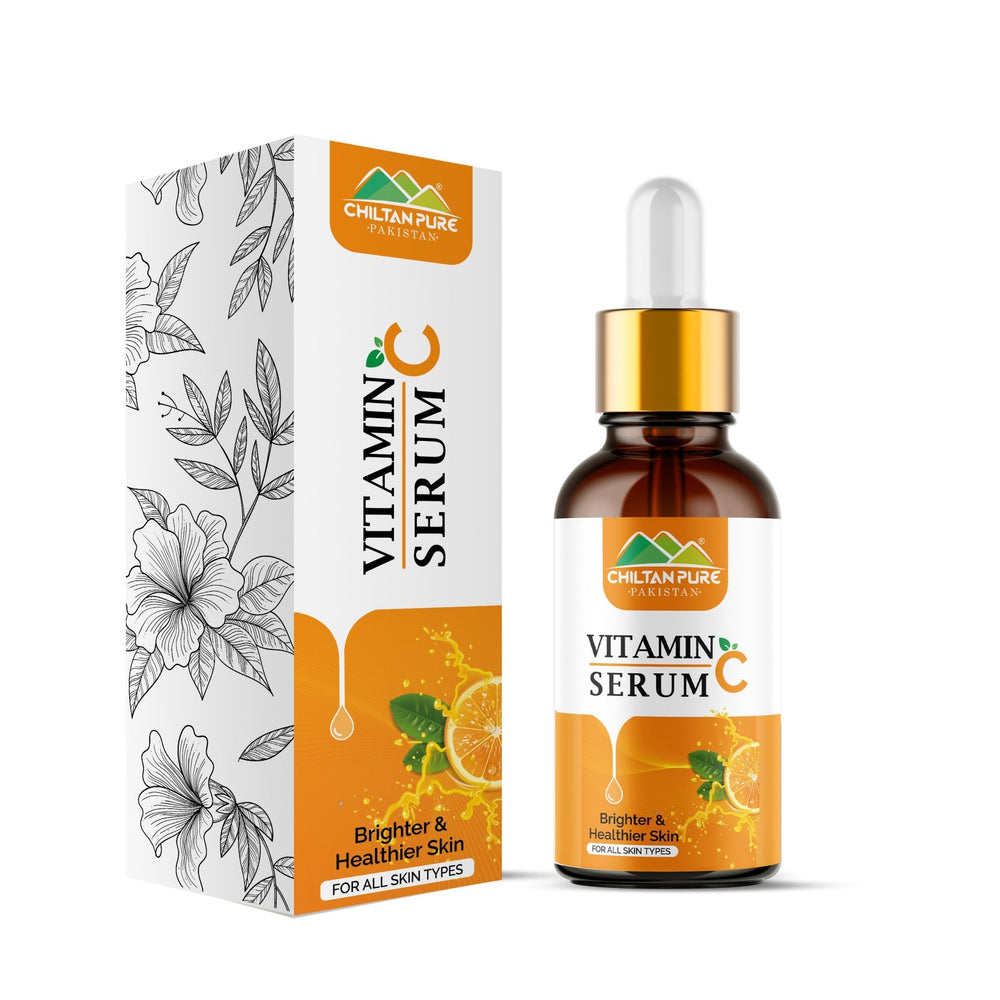
| Even tone (morning) | Vitamin C Serum for Face | An antioxidant serum that supports an even skin tone. Best used in the morning, and it never replaces sunscreen. |
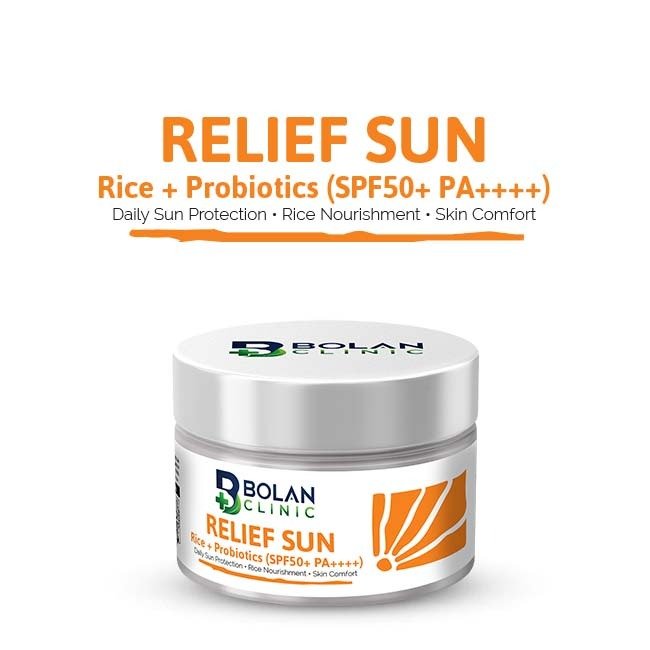
| Protect (daily) | Relief Sun Rice + Probiotics SPF 50+ | A lightweight sunscreen designed for everyday facial use. Daily sunscreen is the most important step for stopping dark marks from getting darker. |
| Protect (sweat and outdoors) | Water Resistant SunBlock | A water and sweat resistant, lightweight and non-greasy formula for hot days, commuting and outdoor activities. Reapply every 2 to 3 hours. |
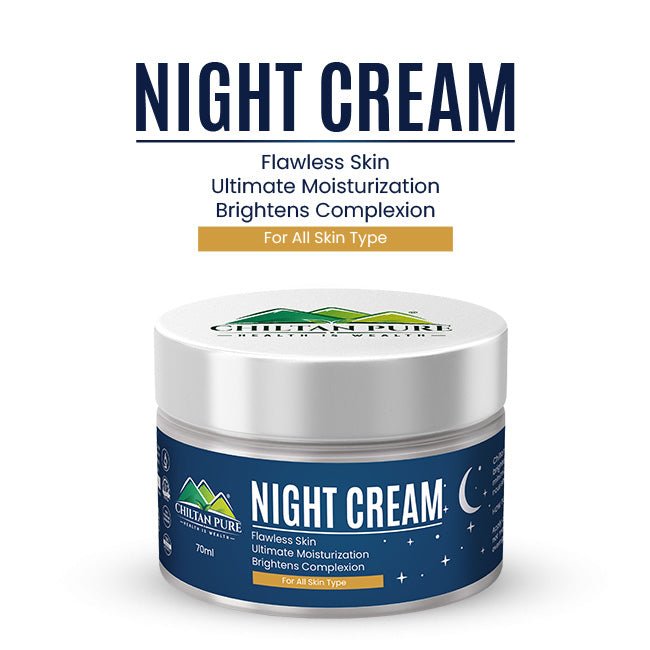
| Moisturize | Night Cream | A moisturizing face cream to support your skin barrier after cleansing and treatment. Use a thin layer, and go lighter on breakout-prone areas if your skin is very oily. |
You can also explore the full Face Wash, Face Serum and Facial Kits collections.
Which Serum Should You Choose?
You do not need all the serums at once. Pick based on your main concern:
- Shiny, oily skin and enlarged-looking pores: Start with the Niacinamide Serum.
- Active pimples together with dark marks: Start with the Skin Brightening Serum.
- Dark spots after pimples have healed: Start with the Anti-Pigmentation Serum.
- Dull, uneven tone and you want a morning antioxidant: Start with the Vitamin C Serum.
Begin with one serum for the first 2 to 4 weeks. Once your skin is comfortable, you can add a second serum, for example one in the morning and one at night.
A Starter Routine Using ChiltanPure Products
- Morning: Tea Tree Face Wash, then your chosen serum, then a light moisturizer, then Relief Sun SPF 50+ (or Water Resistant SunBlock on very hot or sweaty days).
- Night: Tea Tree Face Wash (or Rice Face Wash if your skin feels very oily), then your chosen serum, then Night Cream.
Start with just the cleanser and one serum for two weeks, then add the rest one step at a time.
Two Honest Notes About Natural Skincare
- Physical scrubs and active breakouts do not mix: Scrubs such as our Rice Face and Body Scrub are best used on calm skin, not on inflamed, painful or open pimples. Rubbing grains over active acne can worsen inflammation.
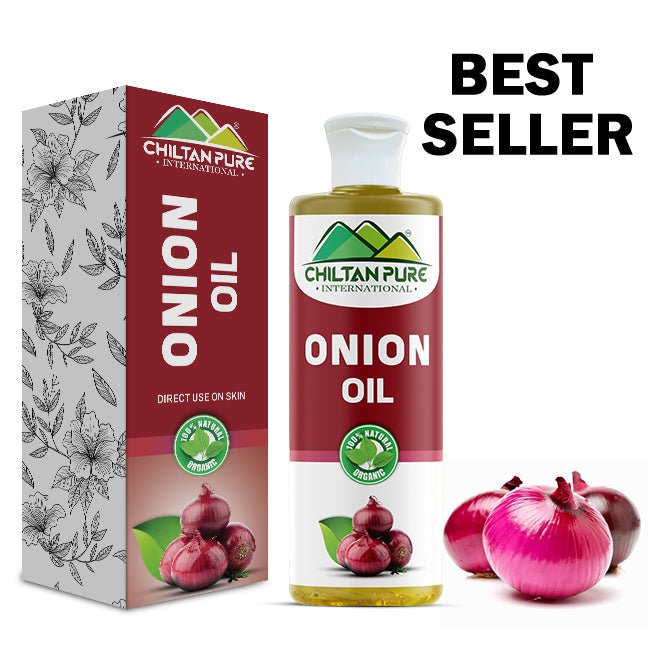
- Hair oils and your hairline: If you use a hair oil such as our Red Onion Oil or Rosemary Hair Growth Oil, apply it to the scalp and hair, keep it off your forehead and wash your face afterwards.

How to Fade Acne Marks and Prevent Scars
Many people say "acne scars" when they actually mean one of three different things:
- Post-inflammatory erythema (PIE): Flat red or pink marks left after a pimple. They often fade over weeks to months.
- Post-inflammatory hyperpigmentation (PIH): Flat brown or dark marks, more common in medium to deep skin tones. They usually fade over months, faster with sunscreen and the right actives.
- True acne scars: Indents (ice pick, boxcar, rolling) or raised scars caused by collagen loss or excess. They do not fade on their own and need professional treatment.
How to help marks fade:
- Use sunscreen every day: UV exposure darkens marks and slows fading.
- Use ingredients that support even tone: Vitamin C, niacinamide, azelaic acid and retinoids all help.
- Be patient: Brown marks can take 3 to 6 months or longer to fade noticeably.
- Never pick or squeeze: This is the leading cause of lasting marks and true scars.
For true scars, a dermatologist can discuss options such as chemical peels, microneedling, laser treatments or subcision. At-home needling tools are not recommended on active acne and should only be used on healed skin with professional guidance.

Diet and Lifestyle Habits That Support Clear Skin
Skincare does most of the work, but daily habits help:
- Choose lower glycemic foods: Eat more whole grains, lentils, vegetables and fruit, and less white bread, sweets and sugary drinks.
- Include zinc-containing foods: Pumpkin seeds are a good source, and a handful makes an easy snack. You can explore Pumpkin Seeds and Mix Seeds at ChiltanPure. They support overall nutrition but do not replace acne treatment.
- Add omega-3 sources: Flaxseeds, walnuts and fatty fish are good options.
- Watch dairy and whey protein: If you notice a pattern with your breakouts, keep a short food and skin diary for 4 to 6 weeks to spot your personal triggers.
- Drink enough water: It supports general health, though it will not clear acne alone.
- Sleep and stress: Aim for 7 to 9 hours of sleep and find a stress outlet that works for you, such as walking, prayer, exercise or a hobby.
- Wash after sweating: Do not leave sweat sitting on the skin after exercise.
- Hygiene habits: Keep hands, towels, pillowcases and phones clean.
If you take a supplement or herbal powder, remember that natural ingredients still need to suit your health condition. Check with your doctor if you are pregnant, breastfeeding or on regular medication.

How Long Does Acne Treatment Take?
Skin renews itself roughly every 4 to 6 weeks, so acne needs time to respond. Here is a realistic timeline:
- Week 1 to 2: Skin adjusts. Mild dryness or tingling is common, and there is no dramatic change yet.
- Week 2 to 6: With retinoids or exfoliating acids, some people notice "purging," a temporary increase in small breakouts. This usually settles.
- Week 6 to 8: Fewer new pimples and less oiliness.
- Week 8 to 12: Clear improvement in most people with mild to moderate acne.
- 3 to 6 months: Dark marks begin to fade noticeably. Continue your maintenance routine.
Switching products every week is the most common reason people feel that nothing works. Give a routine at least 6 to 8 weeks unless you have a reaction.

Common Mistakes That Make Acne Worse
- Washing the face 4 to 5 times a day or using very hot water.
- Using harsh scrubs, alcohol-heavy toners or kitchen remedies.
- Skipping moisturizer because skin is oily.
- Skipping sunscreen.
- Layering too many actives at once.
- Picking, squeezing or "popping" pimples.
- Changing products every few days.
- Using unregulated creams of unknown ingredients.
- Sleeping in makeup or sunscreen.
- Ignoring painful, deep acne and waiting for it to go away on its own.

When to See a Dermatologist
Home care and over-the-counter products are enough for many people with mild acne. Book an appointment with a qualified dermatologist if:
- You have deep, painful nodules or cysts.
- Your acne is leaving scars or dark marks.
- You have followed a consistent routine for 8 to 12 weeks without improvement.
- Your acne is sudden, severe or comes with irregular periods, excess hair growth or other hormonal signs.
- You are using or have used a steroid cream and your skin has worsened.
- Acne is affecting your confidence, mood or daily life. Acne has a real impact on mental health, and getting help early is a sign of strength.
Dermatologists can prescribe topical retinoids, combination gels, oral antibiotics for limited periods, hormonal therapy for suitable patients and isotretinoin for severe or resistant acne. Isotretinoin and oral retinoids carry serious risks in pregnancy and need strict medical supervision.

Conclusion
Clear skin is rarely about one miracle product. It comes from understanding why acne happens, choosing a few well-matched ingredients, protecting your skin from the sun and giving your routine enough time to work. Be gentle with your skin and with yourself, and do not hesitate to get professional help when acne is deep, painful or scarring.
If you want to build a simple routine, start with a gentle cleanser and one serum from ChiltanPure:
Browse the full skin care range at ChiltanPure
Frequently Asked Questions
What is the fastest way to get rid of acne?
There is no instant cure, but the fastest safe approach is a gentle cleanser, one proven active (such as salicylic acid, benzoyl peroxide, adapalene or azelaic acid), a light moisturizer and daily sunscreen. Most people see clear improvement in 6 to 12 weeks. Severe acne needs medical treatment.
What causes acne on the face?
Facial acne is caused by excess oil, dead skin cells blocking pores, C. acnes bacteria and inflammation. Hormones, genetics, stress, heavy products, hair oils touching the forehead, friction from masks or scarves, and some medications can trigger or worsen it.
Why do I get acne as an adult?
Adult acne is commonly linked to hormonal changes, PCOS, stress, heavy skincare or makeup, certain medications and genetics. It often appears on the jawline and chin. If it is persistent, cyclical or comes with other symptoms like irregular periods, see a doctor.
What is the best face wash for acne-prone skin?
Choose a gentle cleanser that removes oil and dirt without leaving skin tight or dry. Ingredients such as salicylic acid or tea tree can help blemish-prone skin. ChiltanPure Tea Tree Face Wash is positioned for acne-prone skin, and Rice Face Wash is an option for very oily skin. Wash twice a day, not more.
Does niacinamide help with acne?
Yes. Niacinamide helps regulate oil, calms inflammation and supports the skin barrier. Studies show it can reduce inflammatory acne and sebum production. It is generally well tolerated, which makes it a good starting serum for oily and combination skin.
Does sunscreen cause acne?
Not usually. Breakouts only happen if the formula is too heavy or comedogenic for your skin or if it is not fully removed at night. Choose a lightweight, non-greasy broad-spectrum SPF 30 or higher, and cleanse thoroughly in the evening.
How do I remove acne marks naturally?
Use sunscreen every day, use evidence-backed ingredients such as vitamin C, niacinamide and azelaic acid, avoid picking, and be patient. Dark marks can take 3 to 6 months or longer to fade. Indented scars need professional treatment.
Which acne treatments are safe during pregnancy?
Many acne treatments, including retinoids and oral isotretinoin, are not suitable in pregnancy. Azelaic acid is commonly considered a safer option, but always confirm with your doctor or dermatologist before using any acne product while pregnant or breastfeeding.
Medical disclaimer: This article is for general education and does not replace professional medical advice, diagnosis or treatment. Natural and organic products can still cause reactions in some people, so always patch test. If you are pregnant, breastfeeding, taking medication or have a persistent or severe skin condition, consult a qualified doctor or dermatologist.