


![Red Onion Oil 🧅 Reduces Hair Fall & Accelerates Hair Regrowth [پیاز کا تیل].. Trending.... 🔥 - ChiltanPure](http://chiltanpure.com/cdn/shop/products/red-onion-oil-reduces-hair-fall-amp-accelerates-hair-regrowth-piaz-ka-til-trending-394813_640x.jpg?v=1707464619)
![Red Onion Oil 🧅 Reduces Hair Fall & Accelerates Hair Regrowth [پیاز کا تیل].. Trending.... 🔥 - ChiltanPure](http://chiltanpure.com/cdn/shop/products/red-onion-oil-reduces-hair-fall-amp-accelerates-hair-regrowth-piaz-ka-til-trending-329640_1170x.jpg?v=1708127491)




Delivery was quick and smooth but most importantly quality of the items was upto the mark. Will be ordering again
DOWNLOAD our App & Get Amazing Discount
Download Now
Popular Products
Pait Safai Powder (پیٹ صفائی) 200g | Herbal Digestive Powder
60 reviews
Prime Fast Delivery
Made with 100% Organic Herbs
Relieves constipation acidity
Bloating and other gastrointestinal issues
Safe to be used by the whole family
Gross Weight 260Grm
Net Weight 200Grm
- Rs. 999
Rs. 1,110- Rs. 999
- Unit price
- / per
Activated Charcoal Teeth Whitening Powder 50ml | CHILTAN PURE
103 reviews
Prime Fast Delivery
Good For Smokers
Protects Gums
Whitens Teeth Naturally
Prevents from Permanent Staining
Removes Toxins from Mouth
Eliminates Bad Breath
Kills Cavity causing Bacteria
Removes Plaque Build up
50ml
- Rs. 999
Rs. 1,110- Rs. 999
- Unit price
- / per
Red Onion Oil 200ml | Hair & Scalp Care | CHILTAN PURE
122 reviews
Prime Fast Delivery
Nourishes Scalp
Prevents Greying
Boosts Hair Growth
Adds Strength & shine
Wards off Dandruff
Rich in Sulphur
Prevents Split-Ends
Used as a Natural Conditioner
200ml
- Rs. 1,099
Rs. 1,220- Rs. 1,099
- Unit price
- / per
Red Onion Shampoo | Sulfate-Free Hair Care | 260ml & 500ml
110 reviews
Prime Fast Delivery
Naturally Low Foaming [SLS FREE]
Boosts Hair Growth
Lessen Dandruff
Reduce Split Ends
Makes Hair Strong
Strengthen Hair Follicles
Calms Itchy & Dry Scalp
Prevent Premature Hair Greying
260ml
500ml
- From Rs. 890
Rs. 1,600- From Rs. 890
- Unit price
- / per
Pinkish Lips & Cheek Tint (گلابی ٹِنٹ) - Organic Liquid stain for lips, Nourish Lips & Hydrate lips all day
112 reviews
Prime Fast Delivery
Rosy-Pink Tint
Long-Lasting
24/7 Stay
Lip Moisturizing
Sheer & Buildablel
Natural-Look
Smudge-Proof
Give Your Face a Fresh Look
Brightens Lips & Cheeks With a Cheery Pop Of Color
30ml
- Rs. 599
Rs. 666- Rs. 599
- Unit price
- / per
Henna Hair & Beard Dye (Chocolate & Coffee) | 200g | CHILTAN PURE
62 reviews
Prime Fast Delivery
Strengthens Hair
Repairs Split Ends
Restricts Hair Fall
Stress Reliever
Improves Scalp Health
Balances pH & Oil Production
Prevents Premature Hair Greying
200gm
- Rs. 799
Rs. 890- Rs. 799
- Unit price
- / per
Vitamin C Serum for Face – 30ml Brighter, Fresher and More Even-Looking Skin
114 reviews
Prime Fast Delivery
Lightens dark circles
Reduces Wrinkles
Provides moisture
Promotes healthy skin
Enhances skin tone
Fights pigmentation
Improves skin texture
Protects from sun damage
Stimulates collagen production
For all skin types
30ml
- Rs. 750
Rs. 1,220- Rs. 750
- Unit price
- / per
CHILTAN PURE Mix Seeds – Pumpkin, Flax, Sesame & Sunflower Seeds | 200g & 750g
68 reviews
Prime Fast Delivery
Right Fuel for Health
Good Source Of Fiber
Lower Cholesterol
Relieves Diarrhea
Nutritious Source of Plant Protein
Help Lower Blood Pressure
Support Healthy Bones
Reduce Inflammation
Aid Blood Cell Formation
Small200g
Large750g
- From Rs. 699
Rs. 1,350- From Rs. 699
- Unit price
- / per
CHILTAN PURE Glow Facial Kit – 6-Step Professional Facial at Home
294 reviews
Prime Fast Delivery
Step 1,Glow Facial Cleanser
Step 2,Glow Facial Scrub
Step 3,Glow Facial Massaging Cream
Step 4,Glow Skin Polisher
Step 5,Glow Facial Mud Mask
Step 6,Glow Facial Serum
- Rs. 4,599
Rs. 5,090- Rs. 4,599
- Unit price
- / per
-10%
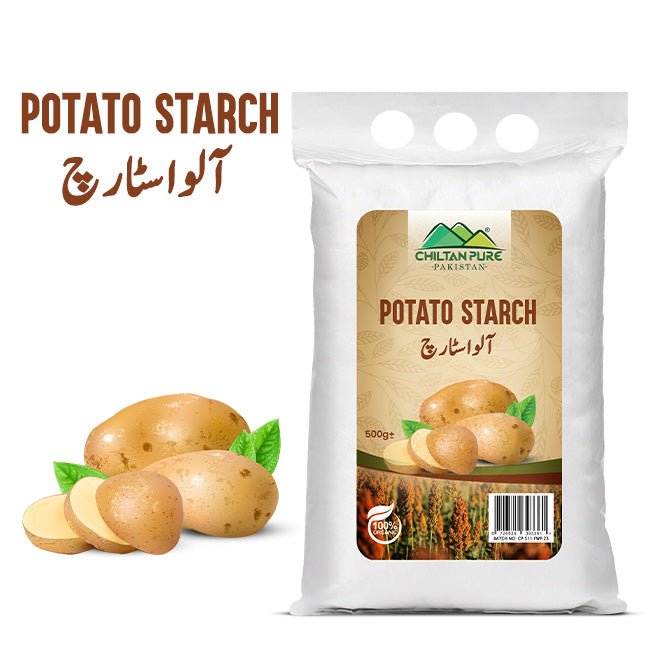
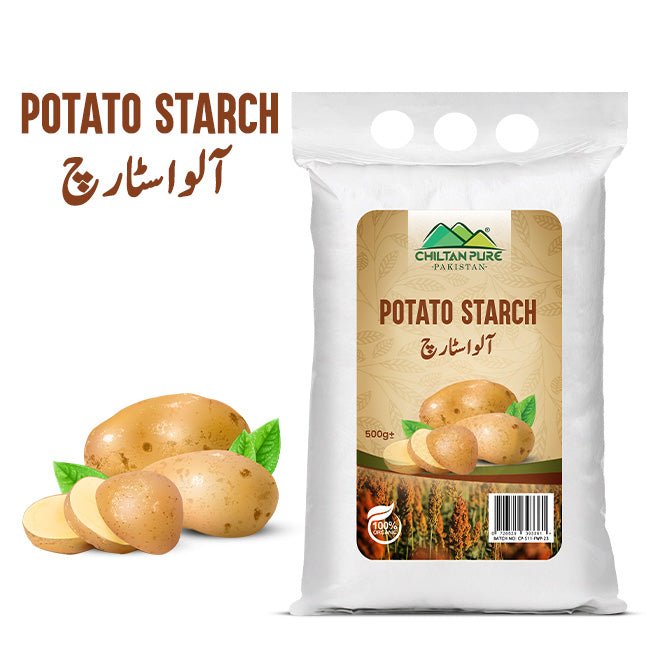
Potato Starch / آلو اسٹارچ / Aloo Starch / 500gm
2
sold in last
8
hours
Prime Fast Delivery
|
- Rs. 999
Rs. 1,110- Rs. 999
- Unit price
- / per
Pay in 3 Installments of
Rs. 333
10 customers are viewing this product
Need More Discount ~ Chat with Sales Person! BARGAIN NOW
Potato Starch is a fine, white, natural powder extracted from high-quality potatoes. Renowned for its neutral taste, smooth texture, and exceptional binding and thickening properties, it is an essential ingredient in both cooking and baking. Gluten-free and easy to digest, potato starch is an ideal choice for individuals with gluten intolerance, celiac disease, or those seeking natural and clean ingredients for their recipes.
This versatile starch works wonderfully as a thickener for soups, sauces, gravies, and custards. It also improves the texture and softness of baked goods, making cakes, bread, cookies, and pancakes lighter and fluffier. Due to its neutral flavor, it does not alter the taste of your dishes while providing a smooth consistency.
Potato Starch is also widely used in frying, helping create a crispier coating for fried foods. With its natural properties, it enhances the quality and presentation of dishes while keeping them healthy and safe for gluten-free diets.
Appearance
The starch is pure white. Whiter than flour, similar to cornstarch. Very fine powder that looks almost silky. When you pour it, it flows like water. No lumps, no yellow tint. Just clean white powder.
Texture
Feels incredibly soft when you touch it. Finer than wheat flour. Almost like touching baby powder. When you mix it with water, it creates a unique slippery texture. Not sticky, just slippery. That's how you know it's pure starch.
Flavor
No taste whatsoever. Completely neutral. This is exactly what you want in starch. It thickens your food without changing how it tastes. Your curry tastes like curry, not potato.
Aroma
Zero smell. Open the container and you smell nothing. This neutrality is its biggest advantage. Won't affect the smell of your cooking at all.
Versatility
Thicken soups and gravies without making them cloudy. Make the crispiest fried chicken coating you've ever had. Use in gluten-free baking when you can't use wheat. Make Chinese stir-fry sauces glossy. Coat fish before frying for restaurant-quality crust. Use in Korean fried chicken recipes. Make fruit pie fillings that don't get watery. Add to bread dough for a softer texture.
Precaution
Store in a completely airtight container. Potato starch absorbs moisture from air instantly. Once damp, it clumps into a solid block. Keep away from any humidity. Use a dry spoon always. Never add directly to hot liquid - it will form lumps immediately. Always mix with cold water first.
FAQs
Q: What's the difference between potato starch and potato flour?
Potato flour is dried whole potatoes ground into powder. It's beige, has potato taste, and includes fiber. Potato starch is extracted starch only - pure white, no taste, no fiber. Starch is for thickening and frying. Flour is for adding potato flavor to recipes. They're completely different and can't replace each other.
Q: Can I use this instead of cornstarch?
Yes, they work similarly but potato starch is actually better. It thickens at lower temperature, stays stable longer, and creates glossier sauces. Use the same amount as cornstarch. One tablespoon of either will thicken about one cup of liquid.
Q: My starch turned into a hard block. Is it ruined?
Yes, it absorbed moisture and is now unusable. Potato starch needs absolutely dry storage. Once it clumps solid, you can't break it back into powder. Throw it out and buy fresh. Next time, store it in the fridge in an airtight container if you live in humid areas.
|
Makes Food Extremely Crispy
Potato starch creates a crispier coating than flour or cornstarch. The starch molecules form a hard shell when fried. This shell stays crispy for hours. Your fried food won't get soggy sitting on the plate. This is why professional cooks use it. |
|
Thickens Without Cloudiness
Flour makes your gravy opaque and heavy-looking. Potato starch thickens but keeps the sauce clear. You can actually see the ingredients in your curry instead of thick brown mud. Much more appetizing. |
|
Completely Gluten-Free
Safe for people who can't eat wheat. No gluten protein whatsoever. You can finally make pakoras, coat cutlets, and thicken gravies without using wheat flour. Real solution for celiac patients. |
Absorbs Less Oil
When you fry with potato starch coating, the food absorbs 30-40% less oil than flour coating. The tight starch shell blocks oil from soaking in. Your fried food is crispier and less greasy. Better taste, fewer calories. |
|
Neutral in Everything
Doesn't change the taste, color, or smell of your food. Just adds texture and thickness. This versatility means you can use it in anything - sweet or savory, spicy or mild. One ingredient, endless uses. |
|
For Thickening Sauces
Mix one tablespoon of starch with two tablespoons of cold water. Stir until completely smooth with no lumps. This is your slurry. Pour this into your hot gravy or sauce while stirring constantly. The sauce will thicken within seconds. Don't add more than needed - potato starch is powerful. |
|
For Crispy Frying
Mix potato starch with regular flour in equal parts. Coat your chicken, fish, or vegetables in this mixture. Fry in hot oil. The starch creates an incredibly crispy crust that stays crispy even after cooling. This is the secret to Korean fried chicken's crunch. |
|
For Gluten-Free Baking
Replace about 25% of the flour in your recipe with potato starch. Don't go 100% - baked goods will be too crumbly. The starch makes gluten-free bread softer and less dry. Mix it with rice flour or other gluten-free flours for best results. |
For Clear Sauces
When you want your sauce to be clear and shiny (like in Chinese cooking), use potato starch instead of flour. Flour makes sauces cloudy and dull. Potato starch keeps them transparent and glossy. Perfect for stir-fries. |
Customer Reviews
Overall rating: 4.0 / 5 from 1 reviews.
Related Products
Example product title
- Rs. 999
Rs. 1,110- Rs. 999
- Unit price
- / per
Example product title
- Rs. 999
Rs. 1,110- Rs. 999
- Unit price
- / per
Example product title
- Rs. 999
Rs. 1,110- Rs. 999
- Unit price
- / per
Example product title
- Rs. 999
Rs. 1,110- Rs. 999
- Unit price
- / per
Example product title
- Rs. 999
Rs. 1,110- Rs. 999
- Unit price
- / per
Example product title
- Rs. 999
Rs. 1,110- Rs. 999
- Unit price
- / per
Example product title
- Rs. 999
Rs. 1,110- Rs. 999
- Unit price
- / per
Example product title
- Rs. 999
Rs. 1,110- Rs. 999
- Unit price
- / per
Example product title
- Rs. 999
Rs. 1,110- Rs. 999
- Unit price
- / per
Example product title
- Rs. 999
Rs. 1,110- Rs. 999
- Unit price
- / per
Recently Viewed Products
Example product title
- Rs. 999
Rs. 1,110- Rs. 999
- Unit price
- / per
Example product title
- Rs. 999
Rs. 1,110- Rs. 999
- Unit price
- / per
Example product title
- Rs. 999
Rs. 1,110- Rs. 999
- Unit price
- / per
Example product title
- Rs. 999
Rs. 1,110- Rs. 999
- Unit price
- / per
Example product title
- Rs. 999
Rs. 1,110- Rs. 999
- Unit price
- / per
Example product title
- Rs. 999
Rs. 1,110- Rs. 999
- Unit price
- / per
Example product title
- Rs. 999
Rs. 1,110- Rs. 999
- Unit price
- / per
Example product title
- Rs. 999
Rs. 1,110- Rs. 999
- Unit price
- / per
Example product title
- Rs. 999
Rs. 1,110- Rs. 999
- Unit price
- / per
Example product title
- Rs. 999
Rs. 1,110- Rs. 999
- Unit price
- / per
- Choosing a selection results in a full page refresh.