![Red Onion Oil 🧅 Reduces Hair Fall & Accelerates Hair Regrowth [پیاز کا تیل].. Trending.... 🔥 - ChiltanPure](http://chiltanpure.com/cdn/shop/products/red-onion-oil-reduces-hair-fall-amp-accelerates-hair-regrowth-piaz-ka-til-trending-394813_640x.jpg?v=1707464619)
![Red Onion Oil 🧅 Reduces Hair Fall & Accelerates Hair Regrowth [پیاز کا تیل].. Trending.... 🔥 - ChiltanPure](http://chiltanpure.com/cdn/shop/products/red-onion-oil-reduces-hair-fall-amp-accelerates-hair-regrowth-piaz-ka-til-trending-329640_1170x.jpg?v=1708127491)





10 Anti-Inflammatory Foods to Eat Regularly for Joint and Muscle Pain

The best anti-inflammatory foods for joint and muscle pain are turmeric with black pepper, ginger, fatty fish (about twice a week), extra virgin olive oil, walnuts, mixed seeds (flax, pumpkin, sesame and sunflower), leafy greens including moringa, berries and tart cherries, beetroot, and garlic. These foods supply compounds such as curcumin, gingerols, omega-3 fats, oleocanthal, anthocyanins, nitrates and magnesium that help calm the body's inflammatory response. Food is not a replacement for medical treatment, but a steady anti-inflammatory eating pattern can support comfort, mobility and recovery over time.
Key Takeaways
- Chronic, low-grade inflammation is closely linked with ongoing joint stiffness, muscle soreness and slow recovery.
- No single food works like a painkiller. Results come from eating a variety of these foods regularly for several weeks.
- Pairing turmeric with black pepper and a little healthy fat improves how well the body absorbs curcumin.
- Omega-3 fats, polyphenols, antioxidants and magnesium are the main nutrients to focus on.
- Cutting back on refined sugar, deep-fried foods and highly processed snacks is just as important as adding the right foods.
- Anyone with severe, sudden or persistent pain, swelling, or a diagnosed condition such as arthritis or gout should work with a doctor alongside any dietary changes.
What Is Inflammation and Why Does It Cause Joint and Muscle Pain?
Inflammation is the body's natural defense system. When you injure a muscle, strain a tendon or fight an infection, your immune system sends white blood cells and signaling molecules called cytokines to the area. This causes the redness, warmth, swelling and tenderness you can feel. In the short term, this process is helpful and protective.
The problem begins when inflammation does not switch off. Long-term, low-grade inflammation can keep irritating joint tissue, cartilage and muscle fibers. Over time, this can contribute to:
- Morning stiffness and reduced range of motion
- Aching knees, hips, shoulders, hands and lower back
- Muscle soreness that lingers for days after normal activity
- Slower recovery after exercise or physical work
- Fatigue and a general feeling of heaviness in the body
Several everyday factors can keep inflammation elevated, including a diet high in refined carbohydrates and unhealthy fats, excess body weight, poor sleep, chronic stress, smoking and a sedentary lifestyle. The good news is that diet is one of the most practical factors you can change right away.

How Food Influences Inflammation
Every meal either nudges your body toward more inflammation or helps cool it down. Foods rich in omega-3 fatty acids, polyphenols, flavonoids, fiber, vitamins and minerals support the body's natural anti-inflammatory pathways. Foods high in added sugar, refined flour and oxidized oils can do the opposite.
Researchers often point to the Mediterranean-style way of eating as a good model. It emphasizes vegetables, fruit, nuts, seeds, olive oil, legumes, fish and herbs. Many of these foods are already part of traditional Pakistani cooking, which makes an anti-inflammatory diet very achievable without expensive or unfamiliar ingredients.
Three mechanisms matter most:
- Omega-3 fats help the body produce molecules that settle inflammation instead of fueling it.
- Polyphenols and antioxidants neutralize free radicals that damage tissue and trigger inflammatory signals.
- Minerals such as magnesium and zinc support normal muscle contraction, relaxation and tissue repair.

The 10 Best Anti-Inflammatory Foods to Eat Regularly
1. Turmeric (Haldi) With Black Pepper
Turmeric is probably the most studied anti-inflammatory spice in the world. Its main active compound, curcumin, has been shown in laboratory and clinical research to lower several inflammatory markers. Some studies in people with knee osteoarthritis have found that turmeric or curcumin extracts reduced pain and improved function, with results comparable to some common over-the-counter options in certain trials, though study quality varies.
The challenge is absorption. On its own, curcumin is poorly absorbed. Piperine, the active compound in black pepper, has been shown to significantly boost curcumin absorption, and fat also helps the body take it in.
Best for: Joint stiffness, general inflammation, post-activity soreness
How to eat it daily:
- Add half to one teaspoon of turmeric to dal, sabzi or curry, always with a pinch of black pepper.
- Make a warm haldi doodh (golden milk) at night with a little black pepper and a spoon of ghee or coconut oil.
- Stir turmeric into scrambled eggs or lentil soup.
ChiltanPure Pick: Pancham Haldi Powder is a finely ground turmeric powder with a rich golden color, suitable for daily cooking in dal, sabzi, curries and rice.

2. Ginger (Adrak)
Ginger contains gingerols and shogaols, compounds with well-documented anti-inflammatory and pain-modulating effects. Reviews of clinical trials suggest that ginger can modestly reduce pain in people with osteoarthritis. Studies on exercise-induced muscle pain have also found that daily ginger intake over several days can reduce soreness, although results differ between trials.
Best for: Muscle soreness, morning stiffness, joint aches
How to eat it daily:
- Grate fresh ginger into tea, soups, stir-fries and marinades.
- Sip ginger tea after meals or before bed, sweetened with a small spoon of natural honey instead of refined sugar.
- Add ginger to your daily dal or chicken preparations.
Good to know: Ginger in normal food and tea amounts is safe for most people. Very large amounts (more than roughly 4 grams of ginger a day) can cause heartburn or stomach upset, and may add to the effect of blood-thinning medicine.
ChiltanPure Pick: Ginger Powder (Adrak) is a convenient pantry option when fresh ginger is not on hand. Stir a pinch into tea, soups, marinades or warm milk.

3. Fatty Fish (Salmon, Sardines, Mackerel, Trout)
Fatty fish are the richest dietary source of EPA and DHA, the long-chain omega-3 fats that have the strongest evidence for lowering inflammation. Research in people with rheumatoid arthritis has linked regular omega-3 intake with reduced joint tenderness and shorter morning stiffness. Major arthritis organizations commonly recommend eating fatty fish about two times per week.
Best for: Rheumatoid arthritis symptoms, joint tenderness, overall inflammation
How to eat it:
- Aim for two servings per week of grilled, baked or steamed fish. Avoid deep frying, which adds pro-inflammatory oils.
- Choose smaller oily fish such as sardines and Atlantic or chub mackerel, which are often more affordable and lower in mercury. Limit large predatory fish such as king mackerel, which tend to be higher in mercury.
- If you do not eat fish, discuss algae-based omega-3 supplements with your healthcare provider.
Good to know: Sardines and mackerel are higher in purines than many other foods. If you have gout, ask your doctor how much oily fish suits you.
ChiltanPure Pick: For days when fish is not on the menu, Chia Seeds are a plant-based source of omega-3 (ALA), plus fiber and calcium. Add them to yogurt, oats, smoothies or chia pudding. Plant ALA is not the same as the EPA and DHA found in fish, so chia complements fish rather than replacing it.

4. Extra Virgin Olive Oil (Zaitoon Ka Tel)
Extra virgin olive oil contains oleocanthal, a natural compound that, in laboratory research, blocks some of the same inflammatory enzymes (COX-1 and COX-2) as ibuprofen. The amount in a normal serving of olive oil is far lower than a medicinal ibuprofen dose, so think of olive oil as a long-term dietary habit rather than a painkiller. It is also rich in polyphenols and monounsaturated fats, which are central to the Mediterranean diet and linked with lower inflammatory markers.
Best for: Daily cooking and dressing, long-term inflammation control
How to eat it daily:
- Use it raw as a salad dressing, drizzle over cooked vegetables or dip whole wheat roti in it.
- Use it for light sautéing. Avoid repeatedly overheating it.
- Replace refined vegetable oils in everyday cooking where possible.
ChiltanPure Pick: Extra Virgin Olive Oil (Glass Bottle, 500ml) is well suited to salads, dressings and light cooking.

5. Walnuts and Other Nuts
Walnuts are one of the few nuts rich in alpha-linolenic acid (ALA), a plant-based omega-3 fat. Studies in people who eat nuts regularly show lower levels of inflammatory markers such as C-reactive protein. Almonds add vitamin E and magnesium, both of which support muscle and nerve function.
Best for: Heart and joint health, steady energy, plant-based omega-3
How to eat them daily:
- Eat a small handful (about 25 to 30 grams) as a snack.
- Crush walnuts over oatmeal, yogurt or salads.
- Soak almonds overnight if you find them easier to chew and digest that way.
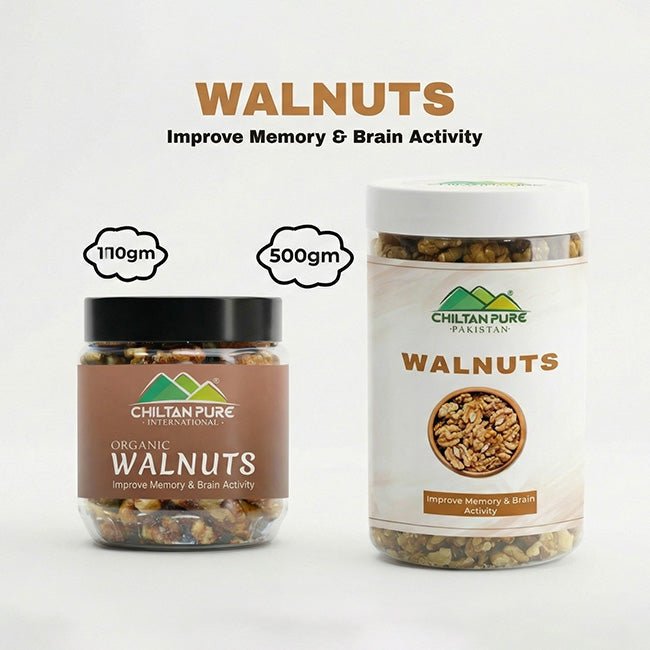
ChiltanPure Pick: Walnuts (Peeled), available in 110g and 500g packs, make an easy daily snack or topping for oats and salads.

6. Mixed Seeds (Flax, Pumpkin, Sesame and Sunflower)
Seeds are small but nutritionally dense. Flax seeds provide ALA omega-3 fats and lignans. Pumpkin seeds (kaddu ke beej) are an excellent source of magnesium and zinc, two minerals that help muscles contract and relax properly and support tissue repair. Sesame seeds contribute calcium and copper, and sunflower seeds offer vitamin E, a fat-soluble antioxidant.
Low magnesium intake is common, and a true deficiency can contribute to muscle cramps and tightness. Getting enough magnesium from food is a sensible habit, although extra magnesium will not fix cramps in people who are not deficient.
Best for: Muscle function and recovery, bone and joint support, plant-based omega-3, fiber
How to eat them daily:
- Sprinkle one to two tablespoons over breakfast, salads, raita or soups.
- Grind flax seeds just before use so the body can absorb their nutrients.
- Blend them into smoothies or mix them into homemade energy balls.
ChiltanPure Pick: The Mix Seeds blend combines pumpkin, flax, sesame and sunflower seeds in one convenient pack, available in 200g and 750g sizes.

7. Leafy Greens, Including Moringa
Spinach (palak), fenugreek leaves (methi), mustard greens (sarson), kale and similar vegetables are rich in vitamins A, C and K, magnesium, calcium and a wide range of antioxidants. Vitamin K is important for bone health, and the polyphenols in greens help limit oxidative stress in tissues.
Moringa leaf is a traditional favorite that contains plant compounds such as isothiocyanates and flavonoids. Most of the research on moringa's anti-inflammatory effects comes from laboratory and animal studies, so it is best viewed as a nutritious supportive food rather than a proven treatment.
Best for: Antioxidant protection, magnesium, vitamin K, bone and muscle health
How to eat them daily:
- Add a cup of cooked or raw greens to lunch or dinner.
- Stir a teaspoon of moringa powder into smoothies, soups, paratha dough or yogurt.
- Lightly steam or sauté greens to retain more nutrients than boiling for long periods.
Good to know: Leafy greens are high in vitamin K, which can interfere with the blood thinner warfarin. If you take it, keep your greens intake steady and ask your doctor. Moringa powder may also lower blood sugar and blood pressure, so check with your doctor if you take medicine for either, and avoid it during pregnancy unless your doctor approves.
ChiltanPure pick: Moringa Powder is an easy way to add greens to busy days.

8. Berries and Tart Cherries
Berries such as strawberries, blueberries, blackberries and raspberries are loaded with anthocyanins, the pigments that give them their deep color and strong antioxidant power. Tart cherries have attracted special attention. Studies on athletes and active people show that tart cherry juice can reduce muscle soreness and speed strength recovery after intense exercise. Research also suggests that cherry intake may be linked with fewer gout flares.
Best for: Exercise recovery, gout-related discomfort, antioxidant support
How to eat them daily:
- Add a handful of fresh or frozen berries to breakfast or yogurt.
- Choose whole fruit over sweetened juice or jam whenever possible.
- Keep frozen berries in the freezer for year-round access.
ChiltanPure Pick: Browse the Berries collection for berry options to stir into oats, yogurt or smoothies.

9. Beetroot (Chukandar)
Beetroot gets its deep red color from betalains, antioxidants with anti-inflammatory properties. It is also naturally high in dietary nitrates, which the body converts into nitric oxide, a molecule that helps blood vessels relax and improves circulation to working muscles. Some small studies suggest beetroot juice may reduce muscle soreness after strenuous exercise, though more research is needed.
Best for: Muscle recovery, blood flow, endurance
How to eat it daily:
- Add grated or boiled beetroot to salads and raita.
- Blend beetroot into smoothies or fresh juices.
- Stir beetroot powder into water, smoothies or oats for a quick option.
Good to know: Beetroot can lower blood pressure slightly, so check with your doctor if you take blood pressure medicine. Beetroot and spinach are also high in oxalates, so people who are prone to kidney stones should ask their doctor about portions.
ChiltanPure Pick: Organic Beetroot Powder makes it simple to enjoy beetroot even when fresh produce is not on hand.

10. Garlic (Lehsan)
Garlic contains sulfur compounds such as allicin and diallyl disulfide, which show anti-inflammatory and antioxidant effects in research. A well-known study of female twins found that those who ate more allium vegetables, especially garlic, had fewer signs of early hip osteoarthritis on imaging. While this does not prove cause and effect, it adds to the evidence that garlic is a smart daily ingredient.
Best for: Joint cartilage support, immune balance, everyday cooking
How to eat it daily:
- Crush fresh garlic and let it rest for about 10 minutes before cooking, which allows allicin to form.
- Add it to dals, chutneys, soups, sauces and marinades.
- Combine it with olive oil, lemon and herbs for a quick dressing.
ChiltanPure pick: Garlic Powder (Lehsan Powder) is a handy option for marinades, soups and dals when fresh garlic is not available. Fresh, crushed garlic remains the best source of allicin.

Quick Comparison Table
| Food | Key Compounds | Main Benefit for Pain | Easy Serving |
|---|---|---|---|
| Turmeric with black pepper | Curcumin, piperine | Joint stiffness and general inflammation | 1/2 to 1 tsp in daily cooking |
| Ginger | Gingerols, shogaols | Muscle soreness and joint aches | 1/2 to 1 tsp ground, or a small piece of fresh ginger |
| Fatty fish | EPA, DHA omega-3 | Joint tenderness and morning stiffness | 2 servings per week |
| Extra virgin olive oil | Oleocanthal, polyphenols | Long-term inflammation control | 1 to 2 tbsp daily |
| Walnuts and nuts | ALA omega-3, vitamin E | Heart and joint support | Small handful daily |
| Mixed seeds | Magnesium, zinc, ALA | Muscle function and recovery | 1 to 2 tbsp daily |
| Leafy greens and moringa | Vitamin K, magnesium, polyphenols | Antioxidant and bone support | 1 cup greens, 1 tsp moringa |
| Berries and tart cherries | Anthocyanins | Exercise recovery, gout support | 1 cup |
| Beetroot | Betalains, nitrates | Circulation and muscle recovery | 1 small beet or 1 tsp powder |
| Garlic | Allicin, sulfur compounds | Cartilage and immune support | 1 to 2 cloves |
Bonus Pantry Staples That Fit an Anti-Inflammatory Diet
Beyond the top 10, a few more traditional foods can fit neatly into an anti-inflammatory routine when used sensibly. Some of these have stronger evidence than others, so treat them as supportive extras rather than proven remedies.
Natural honey. Raw honey and Sidr honey contain antioxidants and polyphenols. Use it as a replacement for refined sugar in tea or warm water, keeping portions small since honey is still a sugar. See the Sidr Beri Honey.
Desi ghee in moderation. Traditional clarified butter is a stable cooking fat and contains butyrate, a short-chain fatty acid linked with gut health. It is not an anti-inflammatory food in itself, but in small amounts it can be a better everyday choice than heavily processed or repeatedly reheated oils. Because ghee is high in saturated fat, keep portions modest. See ChiltanPure Desi Ghee.
Apple cider vinegar. A small amount diluted in water or used in salad dressings can be part of a balanced routine, but research on its effect on inflammation is limited. It should never be taken undiluted because it can irritate the throat and damage tooth enamel. See ChiltanPure Apple Cider Vinegar.
Pumpkin seeds. For a focused magnesium and zinc boost, try ChiltanPure Pumpkin Seeds.
Whole grains and millets. Swapping refined white flour for fiber-rich options helps keep blood sugar steadier, which supports lower inflammation. Consider Ragi Flour or Multi Grain Atta.
Triphala. A traditional herbal blend used for digestive wellness in South Asian households. Since gut health and inflammation are connected, some people include it in a wider wellness routine. It can have a laxative effect, and it is not recommended during pregnancy, so check with a healthcare professional first. See Triphala Powder.
You can also browse the Super Food collection and the Fiber Rich Food collection for more everyday ideas.

Foods That Can Make Inflammation Worse
Adding good foods works best when you also reduce the ones that fuel inflammation. Try to limit:
- Sugary drinks and sweets: Soft drinks, packaged juices, mithai and desserts can spike blood sugar and raise inflammatory markers.
- Refined carbohydrates: White bread, maida-based snacks, bakery items and white rice eaten in large portions.
- Deep-fried foods: Samosas, pakoras and fried snacks cooked in reused oil can contain oxidized fats.
- Processed and cured meats: Sausages, nuggets, deli meats and heavily processed ready meals.
- Repeatedly reheated cooking oil: Oil that is heated again and again, as in street-style frying, breaks down into harmful compounds. Fresh oil used for light cooking is a much better choice.
- Excess alcohol and smoking: Both increase oxidative stress and inflammation throughout the body.
You do not need to eliminate these foods forever. Reducing how often and how much you eat them already makes a meaningful difference.

A Simple One-Day Anti-Inflammatory Meal Plan
This sample day uses easy, familiar ingredients and can be adjusted to your taste and family routine.
On waking: A glass of warm water with a few drops of lemon, or a cup of ginger tea with a little honey.
Breakfast: Oatmeal or ragi porridge topped with berries, crushed walnuts and one tablespoon of mixed seeds. Add a spoon of yogurt on the side.
Mid-morning snack: A small handful of almonds and walnuts with a piece of seasonal fruit.
Lunch: Grilled or baked fish (or lentil dal for a plant-based option) cooked with turmeric, black pepper, garlic and ginger. Serve with sautéed spinach, a green salad dressed with extra virgin olive oil and lemon, and one multigrain roti.
Afternoon: Herbal tea, or a smoothie made with beetroot, a teaspoon of moringa powder and a few berries.
Dinner: Vegetable and lentil soup with garlic and turmeric, with a side of grilled chicken or chickpea salad and a sprinkle of pumpkin and flax seeds.
Before bed: A warm cup of haldi doodh with black pepper.

Lifestyle Habits That Work Together With Food
Food is powerful, but it works best alongside other healthy habits:
- Move gently every day. Walking, stretching, yoga and swimming keep joints lubricated and muscles strong. Rest is important, but too much inactivity worsens stiffness.
- Maintain a healthy weight. Extra weight places added load on the knees, hips and spine and releases inflammatory chemicals from fat tissue.
- Sleep 7 to 9 hours. Poor sleep raises inflammatory markers and lowers your pain threshold.
- Manage stress. Deep breathing, prayer, meditation and time outdoors can lower stress hormones that feed inflammation.
- Stay hydrated. Cartilage and muscle tissue need water to function well.
- Get sunlight and check vitamin D. Low vitamin D is common and is associated with bone and muscle aches. Ask your doctor about testing.
- Warm up and cool down. Gentle preparation before activity and stretching afterwards reduce muscle strain.

When to See a Doctor
Dietary changes are supportive, not a substitute for medical care. Please consult a qualified healthcare professional if you experience:
- Sudden, severe or worsening joint pain
- Swelling, redness or heat in a joint
- Pain that wakes you at night or lasts more than a few weeks
- Morning joint stiffness lasting more than 30 minutes on most days
- Fever together with joint pain
- Pain following an injury or fall
- Weakness, numbness or tingling
Seek urgent medical care if a joint becomes suddenly hot, red and very swollen, especially with fever, as this can be a sign of infection or a gout attack that needs prompt treatment.
Also speak with your doctor before starting new supplements or large amounts of herbs such as turmeric, ginger, garlic or moringa if you take blood thinners, diabetes medication or blood pressure medication, have gallbladder problems, are pregnant or breastfeeding, or are preparing for surgery. Fish oil and high-dose herbal supplements can interact with certain medicines.

Conclusion
Living with joint and muscle pain can affect every part of your day, from getting out of bed to enjoying time with family. While no food is a magic cure, building your meals around turmeric, ginger, fatty fish, olive oil, nuts, seeds, leafy greens, berries, beetroot and garlic gives your body the raw materials it needs to calm inflammation and repair itself.
Start small. Pick two or three foods from this list, add them to your meals this week, and build from there. Consistency matters far more than perfection.
At ChiltanPure, we are committed to making natural, high-quality food and wellness products accessible across Pakistan. Explore our Seeds, Super Foods, Herbal Teas, Spices and Honey collections at ChiltanPure to stock your kitchen with wholesome ingredients for everyday wellness.
Frequently Asked Questions
What is the best food to eat for joint pain?
There is no single best food. Fatty fish, turmeric with black pepper, ginger and extra virgin olive oil have some of the strongest supporting evidence, and the greatest benefit comes from eating a variety of anti-inflammatory foods consistently.
How long does it take for an anti-inflammatory diet to reduce pain?
Some people notice small improvements in energy and stiffness within two to four weeks, but many studies on diet and pain run for eight to twelve weeks before measuring meaningful change. Results vary depending on your health, lifestyle and the cause of your pain.
Can food really reduce muscle pain?
Food can help reduce exercise-related muscle soreness and support recovery. Nutrients such as magnesium, omega-3 fats, antioxidants from berries and tart cherries, and nitrates from beetroot all play a role. Food works best together with rest, hydration, sleep and proper exercise technique.
Is turmeric safe to eat every day?
Turmeric used as a cooking spice is considered safe for most people. High-dose curcumin supplements may cause digestive upset and can interact with some medications, so check with your doctor first if you plan to take concentrated supplements.
Which seeds are best for inflammation?
Flax seeds, pumpkin seeds, sesame seeds and sunflower seeds are all good options. Flax provides plant omega-3 fats, pumpkin seeds provide magnesium and zinc, and sunflower seeds provide vitamin E. A mixed seed blend lets you enjoy all of these benefits together.
Can vegetarians follow an anti-inflammatory diet?
Yes. Vegetarians can rely on walnuts, flax seeds, chia seeds, olive oil, lentils, vegetables, fruits, herbs and spices. Keep in mind that the body converts plant omega-3 (ALA) into EPA and DHA only in small amounts, so algae-based omega-3 supplements are worth discussing with a doctor for those who avoid fish entirely.
Does honey reduce inflammation?
Honey contains antioxidants and may offer mild anti-inflammatory benefits, but it is still a sugar. Use it as a better alternative to refined sugar in small amounts rather than as a treatment.
Should I avoid nightshade vegetables like tomatoes and potatoes?
For most people, nightshades are healthy and do not worsen arthritis. A small number of individuals feel they are sensitive to them. If you suspect this, try a short elimination trial under guidance and see whether your symptoms change.
What drinks help with inflammation?
Water, green tea, ginger tea, turmeric milk, herbal teas and unsweetened tart cherry or beetroot juice are good choices. Limit sugary soft drinks and sweetened packaged juices.
Can I take these foods along with my arthritis medication?
Most whole foods are safe alongside medication, but concentrated supplements and some herbs can interact with certain drugs. Always inform your doctor about the supplements and herbal products you use.
Medical Disclaimer: This article is for general educational purposes only and does not constitute medical advice, diagnosis or treatment. Always consult a qualified healthcare professional before making significant changes to your diet or starting any supplement, especially if you have a medical condition, take medication, are pregnant or breastfeeding.