![Red Onion Oil 🧅 Reduces Hair Fall & Accelerates Hair Regrowth [پیاز کا تیل].. Trending.... 🔥 - ChiltanPure](http://chiltanpure.com/cdn/shop/products/red-onion-oil-reduces-hair-fall-amp-accelerates-hair-regrowth-piaz-ka-til-trending-394813_640x.jpg?v=1707464619)
![Red Onion Oil 🧅 Reduces Hair Fall & Accelerates Hair Regrowth [پیاز کا تیل].. Trending.... 🔥 - ChiltanPure](http://chiltanpure.com/cdn/shop/products/red-onion-oil-reduces-hair-fall-amp-accelerates-hair-regrowth-piaz-ka-til-trending-329640_1170x.jpg?v=1708127491)





Pumpkin Seeds (Kaddu Ke Beej): Benefits, How to Use, and Which Form Is Right for You

Pumpkin seeds are tiny, but one small 28 g handful gives you about 8 g of protein, 150 mg of magnesium and 2 mg of zinc for only around 150 calories. That makes them one of the simplest ways to add plant protein and minerals to your day, and for most healthy adults, one handful a day is enough.
With raw, roasted, powder and oil all on the shelf, and plenty of big health claims online, it is easy to get confused about what to buy and what is actually true. This guide explains what is in a handful, gives seven benefits with an honest evidence rating, and shows how to use each form, with the ChiltanPure option for each. You will also find easy recipes, tips for choosing fresh seeds, and a clear note on who should be careful and where the research is still limited.
Key Takeaways
-
Urdu name: Kaddu ke beej.
-
Best known for: Magnesium, zinc, plant protein and healthy fats.
-
Typical serving: One small handful (28 to 30 g) a day.
-
Four forms: Raw seeds, roasted seeds, seed powder and seed oil. Each suits a different use, and all four are available from ChiltanPure.
-
Best way to start: One spoon a day in oats, yogurt or a smoothie, then build up to a handful.
-
Honest note: Some popular claims, like seed cycling for hormones, have limited direct research.
Pumpkin Seeds in Urdu
In Urdu, pumpkin seeds are called Kaddu ke beej. The word kaddu means pumpkin, and beej means seeds. In some shops, the peeled green kernels are sold under names like kaddu ka maghz.
Because kaddu can refer to other gourds in some areas, many buyers search for Kaddu ke beej together with the English name to be sure they are getting pumpkin seeds. When you shop, look for flat, oval, green kernels or white husked seeds, which are the true pumpkin seeds.
What are Pumpkin Seeds?
Pumpkin seeds, also called pepitas, are the edible seeds of the pumpkin plant (Cucurbita pepo and related species).
There are two kinds you will see in shops:
-
Shell-free kernels: Flat, oval and green. These are the most common for snacking and cooking.
-
Whole seeds with the white husk: Chewier and higher in fibre. These are what you get when you scoop seeds out of a pumpkin at home.
Pumpkin seeds are not nuts. They are seeds, so they are often tolerated by people who avoid tree nuts, though a seed allergy is still possible. If you have a nut or seed allergy, check the pack for "may contain" warnings, since seeds are sometimes packed in facilities that also handle nuts.
In Pakistan, they are eaten as a snack, added to sweets and trail mixes, and used in home diets.

Pumpkin Seeds Nutrition: What Is In One Handful?
Based on USDA style nutrition data, a 28 g serving of shelled (whole kernel) pumpkin seeds provides approximately:
| Nutrient | Approx. per 28 g |
|---|---|
| Calories | 150 to 160 kcal |
| Protein | About 8 g |
| Magnesium | About 150 mg (roughly 35 to 40% of daily needs) |
| Zinc | About 2 mg (roughly 20% of daily needs) |
| Iron | About 14% of daily needs |
| Carbohydrates | About 3 g |
| Fibre | About 1.5 to 2 g for shelled kernels, more for whole husked seeds |
Values vary by variety and by whether the seeds are raw or roasted. This table is for whole kernels. Pumpkin seed powder made from pressed seeds is different: Because part of the oil is removed, it usually has fewer calories and more protein per gram than whole kernels. Check the label of the product you buy.
Pumpkin seeds contain all nine essential amino acids, although lysine is relatively low, so they work best alongside other protein foods such as lentils, dairy or eggs. They also provide vitamin E, carotenoids and phytosterols.
Raw vs roasted: does roasting change nutrition?
Gentle roasting changes taste and crunch more than it changes nutrition. Minerals such as magnesium and zinc are not destroyed by heat. Some heat-sensitive vitamins and delicate fats can reduce a little, especially with high heat or long roasting. The bigger differences are practical:
-
Roasted seeds taste nuttier and are ready to eat, but may contain added salt or oil, so check the label.
-
Raw seeds are more flexible and give you full control over salt and cooking.

Pumpkin Seeds vs Other Seeds
Pumpkin seeds are often compared with flax, chia and sunflower seeds. All four are healthy, but they are strong in different areas. Here is a quick side by side for a 28 g serving (about one handful):
| Seed | Protein | Magnesium | Zinc | Fibre | Best known for |
|---|---|---|---|---|---|
| Pumpkin | About 8 g | About 150 mg | About 2 mg | About 2 g | Protein, magnesium and zinc |
| Sunflower | About 5.5 g | About 90 mg | About 1.4 mg | About 2.5 g | Vitamin E |
| Flax | About 5 g | About 100 mg | About 1.2 mg | About 7.5 g | Plant omega-3 (ALA) and lignans |
| Chia | About 4.7 g | About 95 mg | About 1.3 mg | About 10 g | Fibre and gel texture |
These are rounded USDA style figures, so use them as a guide, not an exact label.
What the comparison shows
-
Protein, magnesium and zinc: Pumpkin seeds lead all three. If you want more of these minerals from a small handful, they are the best pick of the four.
-
Fibre: Chia and flax are far ahead, so they are better for digestion and regularity.
-
Omega-3: Flax and chia are good plant sources of ALA, while pumpkin seeds provide very little.
-
Vitamin E: Sunflower seeds are especially rich in it.
So which one should you choose?
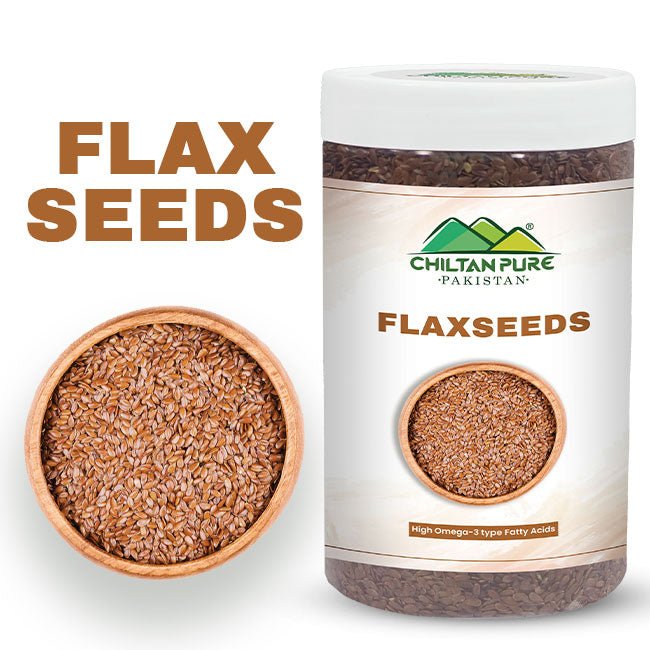
No single seed is "best". Eating a mix gives the widest range of nutrients. A simple routine is pumpkin seeds for minerals, ground flaxseeds for fibre and omega-3, and a spoon of sunflower seeds for vitamin E. If you prefer convenience, ChiltanPure also offers a ready-made mix seeds

7 Benefits of Pumpkin Seeds (and How Strong the Evidence is)
Each benefit below has an evidence label so you know what is well established and what is still emerging.
1. Magnesium for muscles, nerves and heart rhythm
Evidence: strong (nutrient facts). Many adults do not get enough magnesium. One handful covers over a third of a day's needs. Magnesium supports muscle and nerve function, normal blood pressure and energy metabolism.
2. Zinc for immunity, skin and hormone function
Evidence: strong (nutrient facts). Zinc is needed for immune cells, wound healing and the production of several hormones. Pumpkin seeds are one of the better plant sources. Plant zinc is absorbed a little less efficiently than zinc from meat, so variety in your diet still matters.
3. A filling snack that supports weight management
Evidence: moderate. Protein, fibre and healthy fats slow digestion and keep you full longer. This can help you avoid frequent snacking. Portion size matters, because seeds are calorie-dense. One handful is a snack, not a free food.
4. Heart-friendly fats and antioxidants
Evidence: moderate (food pattern evidence). Pumpkin seeds provide monounsaturated and polyunsaturated fats, vitamin E and carotenoids. Together with their magnesium, these fit well into a heart-healthy eating pattern. Much of the benefit comes from replacing fried or processed snacks with seeds.
5. Support for digestion and regularity
Evidence: moderate. Fibre feeds healthy gut bacteria and supports regular bowel movements. Whole husked seeds are the better choice for this, because shell-free kernels have less fibre. If you are new to seeds, start small and drink enough water.
6. Steadier blood sugar
Evidence: limited to moderate. With only about 3 g of carbohydrate per serving, plus fibre, protein and magnesium, pumpkin seeds are a sensible snack for people watching blood sugar. Higher magnesium intake has been linked with better blood sugar control in research, but seeds are not a treatment. Anyone on diabetes medication should check with their doctor before making big changes.
7. Possible support for prostate and bladder health
Evidence: limited. Some small studies on pumpkin seed oil and extracts report improved urinary symptoms, including in overactive bladder and enlarged prostate. The research mostly uses concentrated extracts, so treat this as promising, not proven.
Who Benefits Most: Women, Men, Kids and Older Adults
-
Women: Magnesium and zinc are useful for general wellbeing, and iron and fibre help with everyday nutrition. Many women also include them in seed cycling (see below). Iron from plant foods absorbs better with vitamin C, so pair seeds with fruit or a squeeze of lemon in salads.
-
Men: Zinc supports normal hormone function, and the urinary health research above is why pumpkin seeds are often linked with prostate health. Claims about testosterone or fertility are not firmly proven, so avoid expecting big changes.
-
Children (older kids): A small portion of ground seeds or powder in milk, porridge or dough adds minerals. Do not give whole seeds to children under 4 years because of choking risk.
-
Older adults: Magnesium, protein and fibre are helpful. Powder is a good option for those with dental problems.

Seed Cycling and PCOS: What is Real and What is Not
Seed cycling means eating different seeds in the two halves of the menstrual cycle. Many women try it. A common pattern for a 28-day cycle looks like this:
| Cycle Phase | Days | Daily Seeds |
|---|---|---|
| First Half (Follicular) | Day 1 (first day of period) to Day 14 | 1 tablespoon raw pumpkin seeds + 1 tablespoon ground flaxseeds |
| Second Half (Luteal) | Day 15 to Day 28 | 1 tablespoon sesame seeds + 1 tablespoon sunflower seeds |
If your cycle is longer, shorter or irregular, or you do not have periods, the day numbers do not apply directly. Some people follow the moon phases instead, or simply eat a mix of seeds daily.
The seeds are nutritious and safe for most people, and their zinc, magnesium, fibre and lignans may support overall wellbeing. However, few direct clinical studies show that seed cycling balances hormones, restores periods or treats PCOS. Anyone with PCOS, very irregular cycles or fertility concerns should use seeds as a healthy addition to, not a replacement for, medical care. If you try it, give it at least three months and track how you feel.
Which Form Should You Choose? Raw, Roasted, Powder or Oil
This is the question most buyers actually have. Here is how the four ChiltanPure options compare.
| Product | Best for | Available size |
|---|---|---|
| Pure Pumpkin Seeds (Raw) | Daily nutrition, smoothies, cooking, seed cycling | 220 g and 800 g packs |
| Roasted Pumpkin Seeds | Ready-to-eat crunchy snack, office and travel | 220 g pack |
| Pumpkin Seeds Powder | People who avoid whole seeds; smoothies, yogurt, dough | Powder jar |
| Pumpkin Seed Oil | External use: skin and hair care | 30 ml bottle |
Pure Pumpkin Seeds
Pure pumpkin seeds are the most flexible choice for daily nutrition. You can eat them as they are, toast them lightly at home, or add them to almost any meal. Because they come with no added salt or oil, you stay in full control of what you eat. They are also the natural pick for seed cycling and for families who use seeds regularly.
-
Best for: Daily nutrition, smoothies, cooking, baking and seed cycling.
-
How to use: Sprinkle over oats, yogurt, salads and soups, or toast them at home with a pinch of salt.
-
Pack sizes: ChiltanPure raw pumpkin seeds come in a 220 g pack to try them first and an 800 g pack for families and regular users.

Roasted Pumpkin Seeds
Roasted pumpkin seeds have a nutty flavour and a crisp bite, and they are ready to eat straight from the pack. They are the easiest way to swap chips or fried snacks for something more filling. They also travel well, so they suit the office bag or a long journey. They also work well as a crunchy topping for salads, yogurt and soups.
-
Best for: A ready-to-eat crunchy snack at home, at work or on the go.
-
Pack size: ChiltanPure Roasted Pumpkin Seeds come in a 220 g pack.
-
Tip: Check the label for added salt or oil, and keep to one handful a day.
-
Storage: Reseal the pack tightly after opening so the seeds stay crisp.

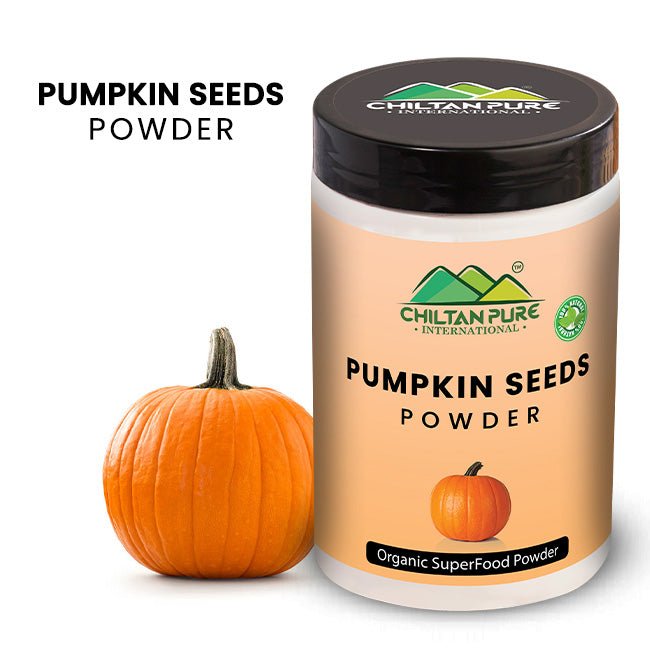
Pumpkin Seed Powder
Pumpkin seed powder is made for people who cannot chew whole seeds comfortably, for example because of dental problems, and for anyone who wants an easy way to add seeds to meals. It blends smoothly into drinks, soft foods and dough without changing the texture much. According to the ChiltanPure product description, it is made from expeller-pressed seeds with no added salt, sugar or additives. Because part of the oil is pressed out, powder usually has fewer calories and more protein per gram than whole kernels, so check the label for exact values.
-
Best for: Older adults, people with dental problems, and anyone who avoids whole seeds.
-
How to use: Mix into smoothies, milk, yogurt, porridge, chapati dough and soups.
-
Starting amount: One teaspoon a day, then increase slowly. This is a suggestion, as the product page does not state a fixed dose.
-
Storage: Keep the jar tightly sealed, away from heat and moisture.

Pumpkin Seed Oil
Pumpkin seed oil is a different product with a different job. The ChiltanPure oil is positioned for external use on skin and hair, and it is not sold as a food or a cooking oil. It is described as cold-pressed and unrefined, and it is rich in linoleic acid, vitamin E and antioxidants. If you want the seeds for eating and the oil for your skin, they are sold separately.
-
Best for: Skin and hair care (external use only).
-
On the face: Massage 2 to 3 drops into clean skin.
-
On hair and scalp: Warm a small amount, massage in, and leave for a while before washing.
-
Face masks: Mix with honey, yogurt or nutmeg powder and leave on for 10 to 20 minutes, as listed on the product page.
-
Patch test first: Apply a small amount to the inner arm for 24 hours before regular use, since even natural oils can irritate sensitive skin.
-
Pack size: 30 ml bottle.

How to Eat Pumpkin Seeds: Daily Amount and Easy Ideas
How much per day?
A small handful, around 28 to 30 g, is a practical daily amount for most healthy adults. Going much higher adds a lot of calories and can cause bloating, especially if your usual fibre intake is low.
Best time to eat them
There is no single best time. Have them with breakfast for a filling start, as a mid-afternoon snack instead of biscuits, or with dinner. Do not expect a sleep effect from a small serving, even though they contain magnesium and tryptophan.
Easy ways to use them
-
Breakfast: Sprinkle over oats, porridge, yogurt or fruit.
-
Snack: Eat roasted seeds on their own, or mix with almonds and raisins.
-
Salads and soups: Add for crunch and protein.
-
Baking and cooking: Add to bread, parathas, cutlets or granola. Powder can replace a small part of the flour.
-
Seed cycling: Pair raw pumpkin seeds (such as ChiltanPure Pure Pumpkin Seeds) with ground flaxseeds, as in the table above.
Easy recipes
1. Pumpkin seed smoothie
Blend 1 banana, 1 cup milk, 1 teaspoon pumpkin seed powder (or 1 tablespoon seeds), and a few dates. Serves 1.
2. Energy bites (no bake)
Mix 1 cup rolled oats, half a cup pumpkin seeds, half a cup chopped dates and 2 tablespoons peanut butter. Roll into small balls and chill for 30 minutes. Makes about 12.
3. Home toasted seeds
Spread raw seeds on a tray and roast at about 160 degrees Celsius for 10 to 15 minutes, stirring once, until lightly golden and fragrant. Add a pinch of salt or chaat masala if you like. Cool fully before storing.
4. Seeds from a whole pumpkin (kaddu) at home
Scoop out the seeds and rinse off the pulp. Pat them dry and leave them on a tray for a few hours, then roast at about 160 degrees Celsius for 20 to 25 minutes, stirring once or twice, until crisp and golden. The white husk is edible and adds fibre.
How to store pumpkin seeds
Keep seeds in an airtight jar in a cool, dry place. Their oils can turn rancid in heat and humidity, so avoid leaving them open during the Pakistani summer. For long storage, keep them in the fridge.

How to Choose Fresh, Good-Quality Pumpkin Seeds
Not all packs are equal. Use this checklist when you buy, and again when your pack arrives, whichever brand you choose, including ChiltanPure:
-
Colour: Shell-free seeds should be a natural green. Very pale, yellow or dark brown patches can mean age or poor storage.
-
Smell: Fresh seeds smell mild and nutty. A sharp, paint-like or bitter smell means the oils have gone rancid.
-
Texture: They should feel dry and crisp, not soft, oily or sticky.
-
Clean: There should be no dust, broken husk pieces, stones or insects.
-
Ingredients: A good product lists only pumpkin seeds. For roasted ones, check for any added salt or oil.
-
Packaging: Choose a sealed, airtight pack or jar with a clear weight and date.
-
Taste test: One seed should taste slightly sweet and nutty, never bitter.
Common Mistakes to Avoid
-
Eating far more than a handful because they are "healthy".
-
Buying heavily salted or flavoured seeds and treating them like plain ones.
-
Leaving the jar open in humid weather.
-
Expecting seeds alone to fix hormonal or medical problems.
-
Using the skin oil as a cooking ingredient.

What Customers Say?
Verified buyers keep coming back to the same few points: taste, quality, ease of use and reliable delivery. Here is what they wrote in their reviews:
-
Taste and snacking: One buyer said the seeds were extremely tasty and that their favourite way to enjoy them is a small handful as a snack.
-
Clean ingredients: Another reviewer liked that the seeds were just raw, shelled and unsalted, with no additives, and called them a great snack for anyone on a restricted diet or wanting to boost their nutrition.
-
Easy to use in meals: Buyers mentioned adding them to salads, smoothies, cottage cheese, yogurt, scrambled eggs and stir-fried vegetables.
-
Quality and price: One review called them great quality at a great price.
-
Fresh and ready to eat: A verified reviewer who shared a photo said the seeds taste amazing, come dust-free and are ready to eat.
-
Delivery: One customer said the seeds arrived on time and in good condition, and that they would buy again.
These are personal experiences, so taste and results can vary from person to person.

Who Should Be Careful?
-
Allergies: Stop if you get itching, swelling or breathing trouble. If you have a nut allergy, check the pack for "may contain" warnings.
-
Medications: If you take blood pressure, diabetes or diuretic medicine, ask your doctor before eating pumpkin seeds daily or using extracts.
-
Children: Whole seeds can be a choking risk for children under 4 years. Use powder or ground seeds.
-
Pregnancy, kidney disease or another medical condition: Ask your doctor about the right amount.
-
Digestive sensitivity: Too many seeds too quickly can cause gas, bloating or loose stools.
-
Weight goals: Count the calories. Two big handfuls can add over 300 calories.

Conclusion
Pumpkin seeds (Kaddu ke beej) are a simple way to add protein, magnesium and zinc to your day. Start with one small handful, pick the form that fits your routine, and treat them as part of a balanced diet, not a cure. If you want to try them, you can order raw pumpkin seeds, roasted pumpkin seeds, pumpkin seed powder or pumpkin seed oil from ChiltanPure with delivery across Pakistan.
Frequently Asked Questions
What are pumpkin seeds called in Urdu?
Pumpkin seeds are called Kaddu ke beej in Urdu.
How many pumpkin seeds should I eat per day?
About 28 to 30 g, or a small handful, is a sensible daily amount for most healthy adults.
Are raw or roasted pumpkin seeds better?
Both are nutritious. Raw seeds are the most flexible for cooking and let you control salt. Roasted seeds taste better on their own and are more convenient. Pick unsalted or lightly seasoned roasted seeds. ChiltanPure sells both raw and roasted seeds, so you can choose based on how you plan to use them.
Are pumpkin seeds good for weight loss?
They can help because protein and fibre keep you full, but they are calorie-dense. Stick to one portion and use them to replace less healthy snacks.
Can pumpkin seeds help with PCOS?
They provide zinc, magnesium and fibre, which are useful for general health. There is limited direct evidence that they treat PCOS or balance hormones. Use them as part of a balanced diet, along with medical advice.
Can I eat pumpkin seeds every day?
Yes, in moderate amounts, they are safe for most people.
Should I soak pumpkin seeds before eating?
It is optional. Soaking may make them slightly easier to digest for some people, but it is not required. Dry them well before storing.
Can I eat pumpkin seeds at night?
Yes. There is no harm in eating a small portion in the evening. Just keep the portion moderate.
What is pumpkin seed powder used for?
It suits people who prefer not to chew whole seeds. Add it to smoothies, yogurt, milk, porridge or dough. According to the product description, ChiltanPure pumpkin seed powder is made from expeller-pressed seeds with no added salt, sugar or additives.
Is pumpkin seed oil for eating or for skin?
The oil sold by ChiltanPure is for external use on skin and hair only. Do a patch test before regular use.
How long do pumpkin seeds last?
Stored airtight in a cool, dry place, they usually stay fresh for a few months. In the fridge, they last longer. Discard them if they smell bitter or sharp.
Are pumpkin seeds good for hair?
Pumpkin seeds provide zinc and protein, which support normal hair. Some small studies have looked at pumpkin seed oil supplements for hair growth, but the evidence is limited and it does not show that eating seeds or applying the oil to the scalp gives the same result. Use them as part of a balanced diet, not as a hair treatment.
Can I eat pumpkin seeds during pregnancy?
Small amounts as part of a normal diet are generally considered fine, and they provide magnesium, zinc and iron. Avoid large quantities or concentrated extracts, and ask your doctor about the right amount for you.
Where can I buy pumpkin seeds in Pakistan?
You can order raw seeds, roasted seeds, powder and oil from ChiltanPure with delivery across Pakistan, including Karachi, Lahore, Islamabad, Rawalpindi and Faisalabad.
کدو کے بیج:
کدو کے بیج کو انگریزی میں Pumpkin Seeds کہتے ہیں۔ یہ چھوٹے مگر غذائیت سے بھرپور بیج ہیں جن میں میگنیشیم، زنک، پروٹین اور صحت مند چکنائی پائی جاتی ہے۔ ایک مٹھی (تقریباً 28 سے 30 گرام) روزانہ کھانا زیادہ تر صحت مند بالغ افراد کے لیے مناسب مقدار ہے۔
اہم فوائد
- میگنیشیم پٹھوں، اعصاب اور دل کی صحت کے لیے اہم ہے۔
- زنک قوتِ مدافعت اور جلد کی صحت میں مدد دے سکتا ہے۔
- پروٹین اور صحت مند چکنائی کی وجہ سے پیٹ دیر تک بھرا رہتا ہے، جو وزن کنٹرول میں مددگار ہو سکتا ہے۔
- چھلکے والے بیج فائبر کی وجہ سے ہاضمے کے لیے زیادہ بہتر ہیں۔
- کاربوہائیڈریٹ کم ہونے کی وجہ سے یہ بلڈ شوگر دیکھنے والوں کے لیے مناسب نمکین ہیں۔
کون سی قسم کب استعمال کریں
- کچے بیج: روزانہ کی غذا، سموتھی، سلاد اور پکانے کے لیے سب سے زیادہ کارآمد۔
- بھنے ہوئے بیج: فوری کھانے والا کرارا سنیک، دفتر اور سفر کے لیے۔
- پاؤڈر: ان کے لیے جو پورے بیج چبا نہیں سکتے۔ شروع میں ایک چائے کا چمچ کافی ہے۔
- تیل: صرف جلد اور بالوں پر لگانے کے لیے ہے، کھانے کے لیے نہیں۔ استعمال سے پہلے پیچ ٹیسٹ ضرور کریں۔
استعمال کا طریقہ
- دلیہ، دہی، سلاد اور سموتھی میں ڈالیں۔
- خواتین سیڈ سائیکلنگ میں ماہواری کے پہلے حصے میں کدو کے بیج اور السی ملا کر استعمال کرتی ہیں۔
- بیجوں کو ٹھنڈی اور خشک جگہ پر بند ڈبے میں رکھیں تاکہ وہ خراب نہ ہوں۔
اچھے بیج کیسے پہچانیں: رنگ قدرتی ہرا ہو، خوشبو ہلکی اور مغز جیسی ہو، بیج خشک اور کرارے ہوں، اور ذائقہ کڑوا نہ ہو۔
اکثر پوچھے جانے والے سوالات
روزانہ کتنے بیج کھانے چاہییں؟
ایک چھوٹی مٹھی، یعنی تقریباً 28 سے 30 گرام۔
کیا کدو کے بیج روز کھا سکتے ہیں؟
جی ہاں، معتدل مقدار میں زیادہ تر لوگوں کے لیے محفوظ ہیں۔
کیا کدو کے بیج PCOS کا علاج ہیں؟
نہیں۔ یہ صحت مند غذا کا حصہ ہو سکتے ہیں، مگر PCOS کے علاج کے لیے ڈاکٹر سے رجوع کریں۔
احتیاط: اگر آپ کو الرجی ہے، آپ بلڈ پریشر یا شوگر کی دوا لے رہے ہیں، حاملہ ہیں، یا کوئی بیماری ہے تو استعمال سے پہلے ڈاکٹر سے مشورہ کریں۔ چار سال سے کم عمر بچوں کو پورے بیج نہ دیں۔
ChiltanPure سے خریدیں: خالص کدو کے بیج، بھنے ہوئے کدو کے بیج، کدو کے بیج کا پاؤڈر اور کدو کے بیج کا تیل پورے پاکستان میں ڈیلیوری کے ساتھ دستیاب ہیں۔


![Pumpkin Seed Oil - For Better Skin Tone Dull Hair [حلوه کدّو]](https://chiltanpure.com/cdn/shop/files/pumpkin-seed-oil-for-better-skin-tone-amp-dull-hair-hloh-kdo-177518_1000x.jpg?v=1722571277)